The FA Hearing and Eckert's Moment of Reckoning
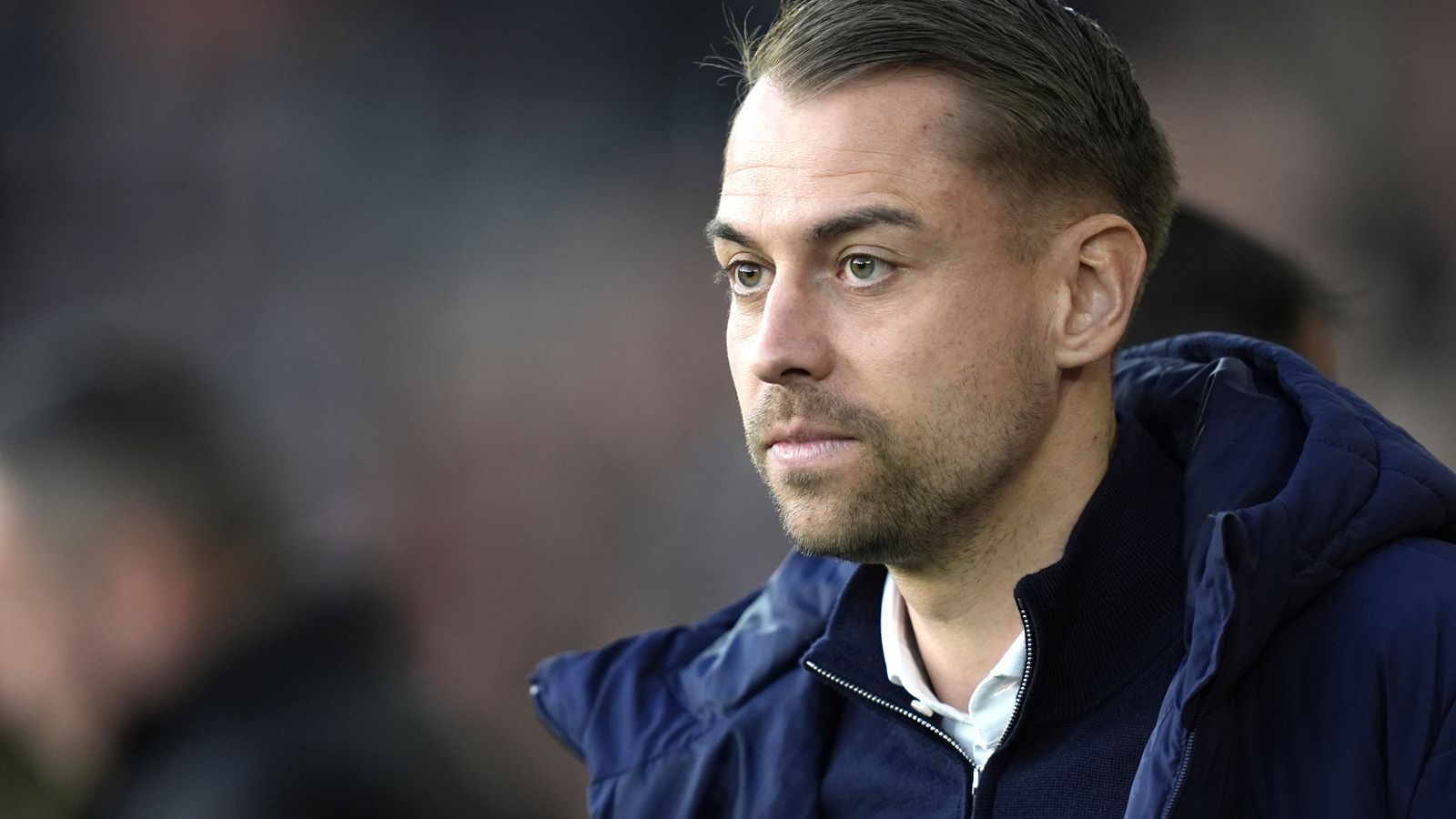
Southampton manager Tonda Eckert faces his disciplinary reckoning today as the Football Association delivers its verdict on his misconduct charge. The 33-year-old manager arrives at Thursday's FA hearing knowing his status on the Saints touchline hangs in the balance. This ruling on September 24, 2026, marks the climax of a months-long investigation that has shaken St Mary's.
Eckert admitted ordering a junior member of staff to covertly spy on training sessions for three rival clubs last season. Those surveillance targets included Oxford United, Ipswich Town, and Middlesbrough during the heat of a Championship promotion race. Investigators described the operation as a deliberate, organized effort to gain an unfair tactical advantage.
The young head coach underwent a grueling four-hour meeting with FA disciplinary officers in July after being formally charged. He pleaded for forgiveness during that marathon session, expressing remorse for putting the club in jeopardy. However, disciplinary officials appear determined to draw a firm line against covert spying in domestic football.
Tasking a junior employee to conduct physical surveillance was a severe failure of leadership. It forced a subordinate to take immense personal and professional risks to capture confidential training footage. While Eckert eventually confessed, placing a junior worker in that position exposed a troubling willingness to bypass basic ethics for minor tactical gains.
The Devastating EFL Sanctions St Mary's Has Already Endured
Southampton have already paid a historic price for Eckert's decision. The Football League took drastic action in May by throwing Saints completely out of the Championship play-off final. That decision shocked English football and stripped the club of an immediate shot at Premier League football.
Missing the play-off final cost Southampton an estimated sum of over £100 million in broadcast distributions, matchday revenue, and commercial opportunities. To make matters worse, the EFL hit Saints with a four-point deduction for the current campaign. Starting the year in negative territory immediately put the squad under severe pressure.
Club chief executive Phil Parsons insists Saints have suffered enough collateral punishment. Speaking to the BBC, Parsons argued that the workforce, support staff, and fanbase bore the main burden of what EFL investigators termed a contrived and determined plan. The club hierarchy believes further personal sanctions on the manager would be excessive.
Despite the public outrage, Southampton executives chose to back Eckert and keep him in charge. But that backing created an awkward internal dynamic. Frontline staff and supporters lost a chance at top-flight football while the coach responsible remained in his position.
Neil Harris and the Football League Demand a Massive Suspension
Rival managers across the Football League are watching today's outcome with intense scrutiny. Cambridge United boss Neil Harris delivered a scathing assessment of the scandal during an appearance on BBC Radio 5 Live. Harris made it clear that he speaks for benched figures throughout the division who want a harsh penalty.
Harris branded the secret training ground visits as bordering on disgraceful. He flatly rejected the idea that Southampton's club penalties should insulate Eckert from personal consequences. In his view, allowing a manager to escape a long suspension undermines the integrity of the entire league structure.
blockquote>"The manager should get a huge ban, in my opinion, as a senior football man in this country. He's gone way across the mark of cheating. We don't do that in this country. There's no place for it in the game over here and it deserves a ban."
Reports circulating before the hearing suggested Eckert might receive only a two to four-game ban. Harris reacted furiously to those suggestions, arguing that a brief suspension would be an insult to rival clubs who play by the rules.
"I've seen a couple of bits recently saying it should be two or four-game ban. We're talking about basically cheating and trying to gain an advantage on the opponent. So, as you can tell, I feel quite strongly about it - and it's not just me, it's every manager in the Football League that agrees. I think whatever punishment he gets needs to be severe and it needs to be stamped down on. It can't happen again."
Harris also highlighted the unfair burden placed on the staff member sent to spy. Expecting an entry-level worker to scout opponent facilities under instructions from their boss is a glaring misuse of authority. That detail has angered rival coaches just as much as the competitive breach itself.
The Counterargument: Charlie Austin and the Case for Moving On
Not everyone in English football agrees that Eckert should face a career-altering suspension. Former Southampton striker Charlie Austin defended the manager in an interview with The Sun, arguing that the public focus should shift toward football matters.
Austin pointed out that Southampton as an entity have already paid a penalty far steeper than any previous scouting infraction in English football. He stressed that Eckert's admission of guilt shows maturity and a willingness to learn from a catastrophic error.
"I think we should just move on. The punishment has been done. They got taken out of this game, which is worth millions. Eckert is a young coach. He made a mistake, he's admitted he's made a mistake, and he's learned from it. Just let him get on with his career now. It's ridiculous this has been dragged out further."
Austin's perspective reflects a common sentiment among former players who view tactical reconnaissance as part of football's dark arts. In their view, every manager searches for small edges, even if Eckert went too far. Dragging out the disciplinary process for months creates unnecessary instability for Saints.
However, Austin's stance overlooks the precedent a light ban would establish. If a manager can orchestrate a multi-club surveillance campaign and only miss two matches, other teams might consider similar risks worth taking in the future.
Tactical Consequences and the Road Ahead for Saints
If the FA imposes a lengthy touchline or stadium ban, Southampton face immediate operational hurdles. Assistant coaches will have to manage matchday preparations, make real-time tactical adjustments, and handle substitutions from the technical area. That rift in matchday leadership can easily disrupt team performance during tight Championship games.
Navigating matchdays without their chief strategist makes Saints' current league recovery far more complicated. Attempting to erase a four-point deficit while working under temporary dugout guidance leaves the team vulnerable against disciplined opponents. Opposing managers will certainly exploit any hesitation in Southampton's bench decisions.
Modern football relies heavily on remote video analysis and legal scouting tools. Physical surveillance of private sessions crosses a clear line into illicit territory. The FA's decision will signal whether English football treats training ground espionage as a minor infraction or a major threat to fair competition.
For Eckert, today's announcement will shape his professional standing for years to come. Rebuilding trust among his peers and clearing his name will take far longer than serving any ban handed down by regulators. Southampton must brace for the ruling and adapt quickly if they hope to salvage their season.
Read Next
- Southampton face FA judgment as Tonda Eckert's Spygate saga hits D-Day
- Chelsea look surprisingly fragile heading into Sunday's clash with Arsenal
- Flutter's £500k grassroots cash is a tiny band-aid on a broken system
- On This Day in Football: September 24
- 🏟 EFL Championship 2025-26 — Promotion Race & Play-Off Final Hub