The Wembley Disaster and England's Build-Up Breakdown
If you sat down on Saturday night expecting a smooth tactical display from England at Wembley, you were quickly disabused of that notion. Thomas Tuchel watched his side stumble through a chaotic evening against Spain, handing over goals through shocking unforced errors in a 3-2 defeat. It was jittery, unstructured, and entirely avoidable.
Cast your mind back to England's World Cup qualifying run under Tuchel. That defense was locked down tight, passing through the group without allowing a single ball past their keeper. That flawless stretch now feels like an distant memory after Saturday's defensive collapse.
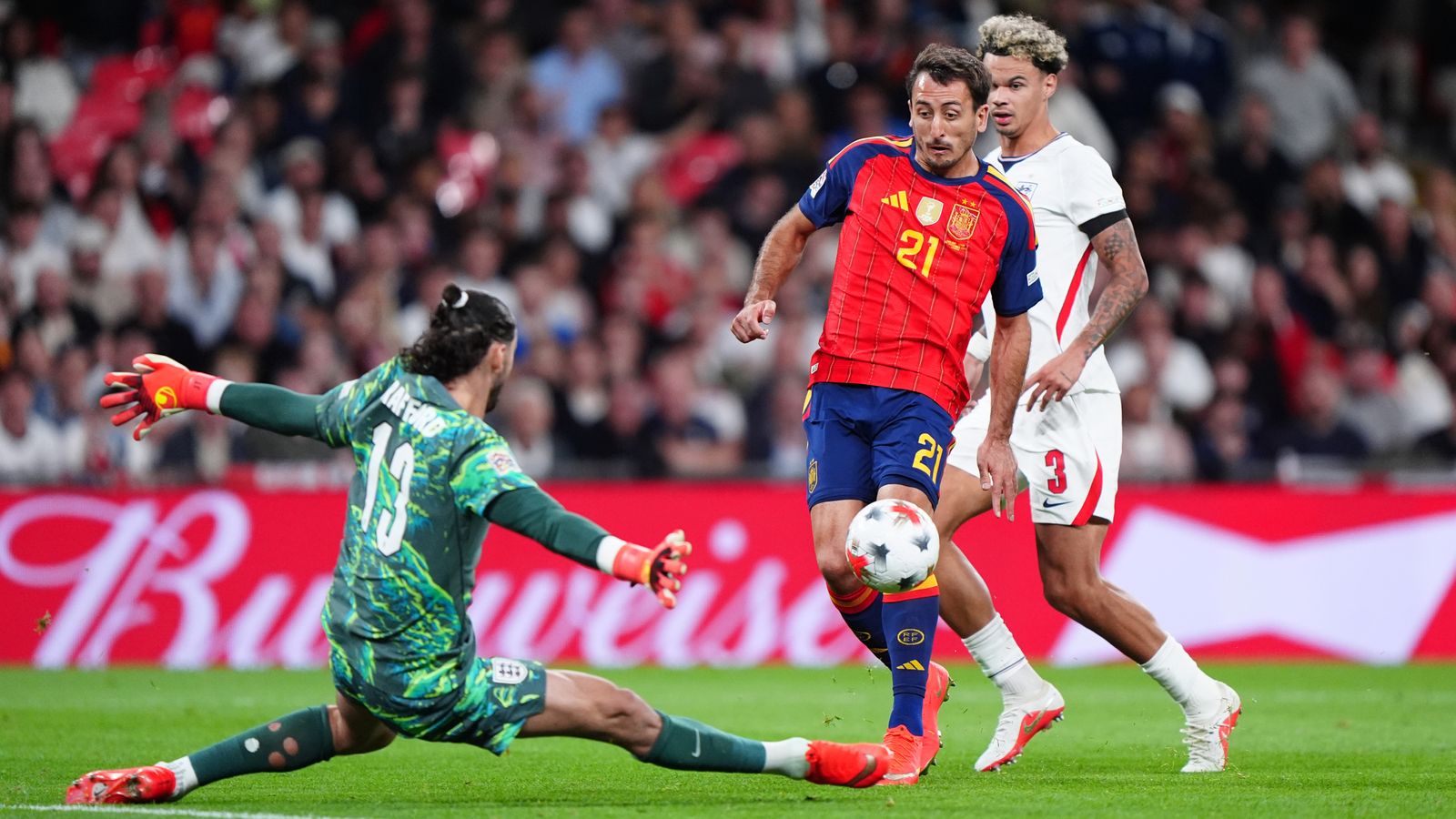
The trouble started early when Marc Guehi misjudged a routine situation near his own box, gifting Lamine Yamal the opening goal for 1-0 to Spain. Nico O'Reilly fared no better, looking unsettled under heavy pressure and surrendering possession in dangerous territory. Spain did not need to craft intricate passing moves; they simply waited for England to collapse in their own penalty box.
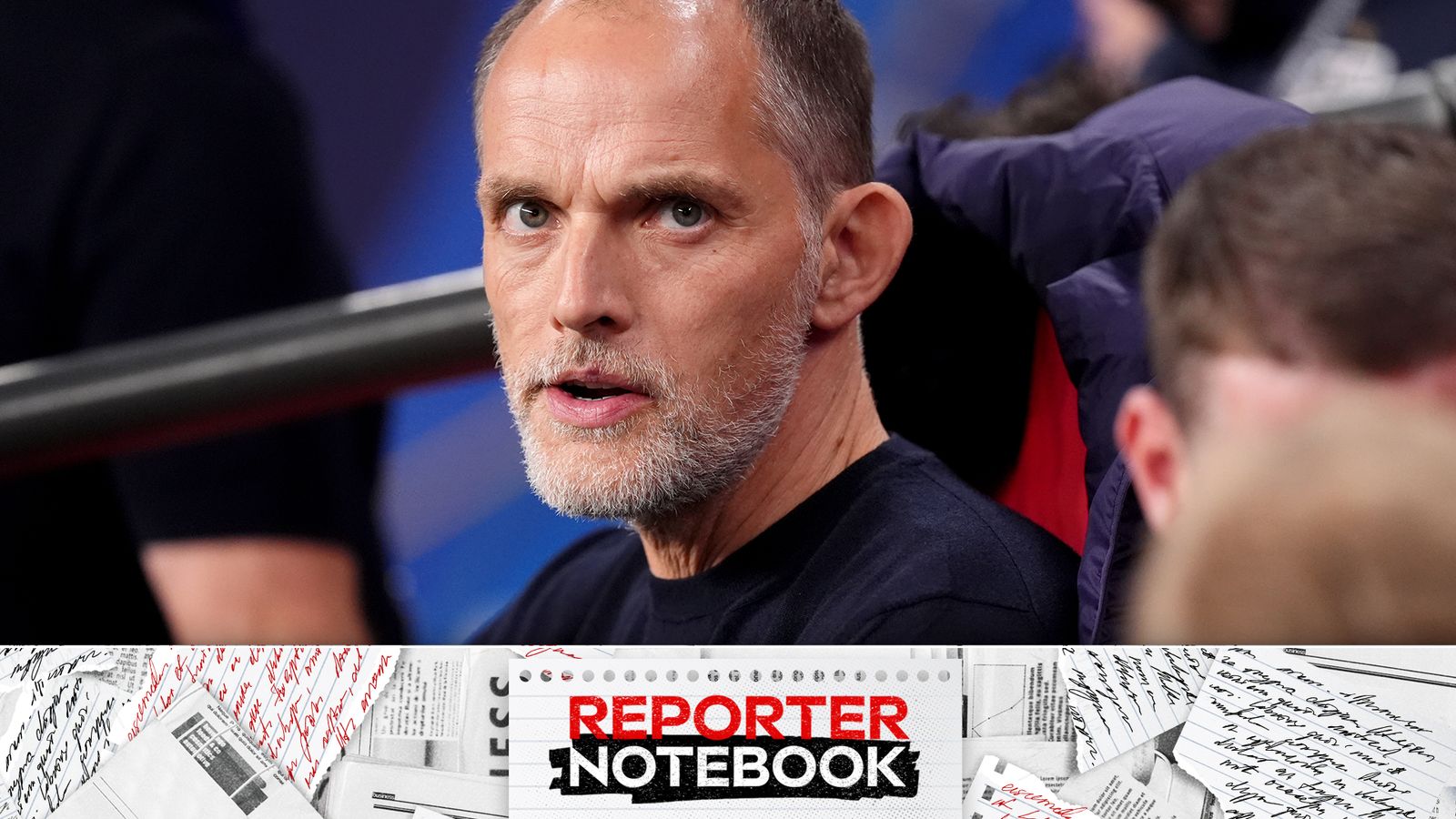
Tuchel was brutally frank about the root cause during his post-match press conference.
"We suffered clearly from individual mistakes when we had the ball, especially in the deep build-up."
That diagnosis hits the target, but fixing it is far trickier. When central defenders hand the ball directly to opposing wingers inside their own eighteen-yard box, coaching diagrams mean nothing. You cannot draw up a tactical scheme to eliminate sudden lapses in basic composure.
As Mirror Football reported, this match was less about Spanish tactical brilliance and more about self-destruction. Trying to build play out from the back requires total synchronicity between defenders and goalkeeper. Against high-pressing opponents, even a fraction of a second of indecision leads directly to catastrophe.
In international football, managers get mere days with their squads rather than weeks on the training pitch. Players arrive from different club systems with distinct habits, making complex build-up patterns risky under intense pressure. When those patterns break down so publicly at Wembley, the entire tactical structure begins to look fragile.
The Pickford Anomaly and the Goalkeeper Rotation
The statistical picture for England's defensive unit makes for bleak reading. England have now conceded 13 goals in six games while recording just four clean sheets in 13 matches across 2026. A backline that once looked invincible has suddenly turned into a leaky faucet.
Yet one underlying trend stands out above all others. Look closely at the last five matches where England conceded three or more goals. Jordan Pickford was not on the pitch for a single one of them.
That troubling run features Aaron Ramsdale, Dean Henderson on two separate occasions, Nick Pope, and now James Trafford, who picked the ball out of his net three times against Spain on Saturday. Every time someone other than Pickford takes the gloves, the defensive line in front of them loses its composure. Pickford may draw criticism for his fiery posture, but his vocal leadership undeniably holds England's shape together.
Despite Saturday's setback, Tuchel is sticking with his rotation plan for Tuesday night's match against the Czech Republic in Prague. Leeds keeper James Trafford will remain between the posts to continue his job share with Pickford. Tuchel wants to test backup options in competitive Nations League fixtures rather than waiting for an emergency.
Trafford has enjoyed an impressive domestic campaign with Leeds, earning his opportunity through consistent club performances. But distributing from the back against lower-tier domestic sides is entirely different from facing aggressive international presses. If his center-backs keep feeding him risky passes inside his own box, the young keeper is being put in an impossible position.
Tuchel defended his selection strategy, explaining why he refuses to abandon the experiment after one rough evening. As detailed in pre-match reports, the manager insists on knowing what his squad can deliver under pressure before major tournaments arrive.
Pickford remains the undisputed first choice when stakes are highest, but this rotation policy creates unnecessary friction. Changing goalkeepers alters line height, communication timings, and passing angles for defenders who are already struggling for rhythm. Sticking with Trafford in Prague shows managerial courage, but another defensive collapse would make the policy look reckless.
Tactical Dilemmas and the Trent Alexander-Arnold Question
Tuchel remains firm in his belief that England's defensive shape is sound when organized in a mid-block. He insists that structural flaws are not to blame, pointing instead to isolated technical failures under pressure.
"when we had the ball we were the biggest danger to ourselves around the box"
That admission highlights the bizarre nature of England's current slump. They are not getting carved open by brilliant opposition playmakers or outmaneuvered by complex formation shifts. They are handing opponents scoring opportunities through unforced turnovers in their own defensive third.
Guehi has long been regarded as one of England's most reliable ball-playing defenders, calm under pressure and crisp in distribution. Watching him panic against Spain was jarring for fans who expect cool decision-making from their core center-back. O'Reilly similarly found the speed of Spain's press overwhelming, turning routine passes into high-risk gambles.
This instability frames the ongoing debate around Trent Alexander-Arnold. Trent enjoyed a productive training week and pushed hard in the post-match session at Wembley, demonstrating his eagerness to feature. His passing range and vision offer England a potent attacking outlet from right-back that few teams in world football can match.
However, inserting Alexander-Arnold into a backline that is already leaking goals presents a genuine dilemma. Trent naturally pushes high up the pitch to influence build-up and deliver crosses into dangerous areas. If England turn the ball over cheaply in central areas while Trent is advanced, their remaining defenders will be exposed to counter-attacks.
Tuchel acknowledged that bringing in Alexander-Arnold might seem like a risk due to his attacking instincts. Yet the manager praised Trent's attitude and training level, leaving the door open for his inclusion in Prague. Striking the balance between creative passing and defensive stability will define how England navigate their next tactical evolution.
Prague Ghosts and the Hard Reality of International Football
Tuesday's fixture against the Czech Republic in Prague carries clear warning signs from history. Back in October 2019, England suffered a 2-1 defeat in Prague, a result that snapped an extraordinary 43-game unbeaten run in qualifying matches. The Czechs have proven before that they can capitalize on English complacency in front of a boisterous home crowd.
The Czech Republic will not stand off and allow Trafford and Guehi to comfortably pass around their penalty area. They will press high, turn the match into a physical contest, and test whether England's defenders have recovered their composure. If England repeat their Wembley mistakes, the Czech attack will pounce without hesitation.
This challenging stretch reflects the stark differences between club management and the international game. Even elite coaches like Jurgen Klopp have discovered how unforgiving international football can be, following Germany's surprising defeat to Greece. Tactical ideas that take months to perfect at club level must be installed in a matter of days during brief international camps.
Tuchel noted this exact difficulty when reflecting on his transition from club football to the national team setup. Players arrive from different tactical environments, leaving managers minimal time to align individual habits into a coherent collective unit.
The process of building an international team requires patience, but high-profile mistakes accelerate media scrutiny. Fans expect polished performances, yet coaches are forced to teach basic build-up mechanics during forty-eight-hour windows between matches. That reality leaves little margin for error when facing top-tier opponents.
As England prepare for kickoff in Prague, Tuchel must balance tactical ambition with pragmatic decision-making. Demanding that defenders play out through tight spaces is noble, but safety must come first when errors become habitual. Clearing the ball downfield is far better than handing opponents gifts inside the penalty box.
Tuesday night in Prague represents a clear moment of truth for England's defensive setup. Trafford, Guehi, and the rest of the backline must demonstrate that Wembley was an anomaly rather than a lasting pattern. Cut out the self-inflicted damage, restore defensive discipline, and England can put this turbulent week behind them.
Read Next
- Thomas Tuchel just threw England's goalkeeping hierarchy into complete chaos
- Jordan Pickford's two-match absence exposes Thomas Tuchel's defensive gamble
- England lost to Spain but the Nations League is actually working
- England lost to Spain again, so why is nobody screaming at Thomas Tuchel?
- 🏴 England World Cup 2026 — Three Lions Hub
- 🏆 UEFA Nations League Final Four 2026 Hub — June 4-8, Lisbon