A tragedy before kickoff
The World Cup took a somber turn today with the tragic news of South African midfielder Jayden Adams passing away at the age of 25. As Mirror Football reported, tributes have poured in for the midfielder who featured in all three group-stage matches for Bafana Bafana. His sudden death casts a heavy shadow over the tournament just hours before kickoff in Miami.
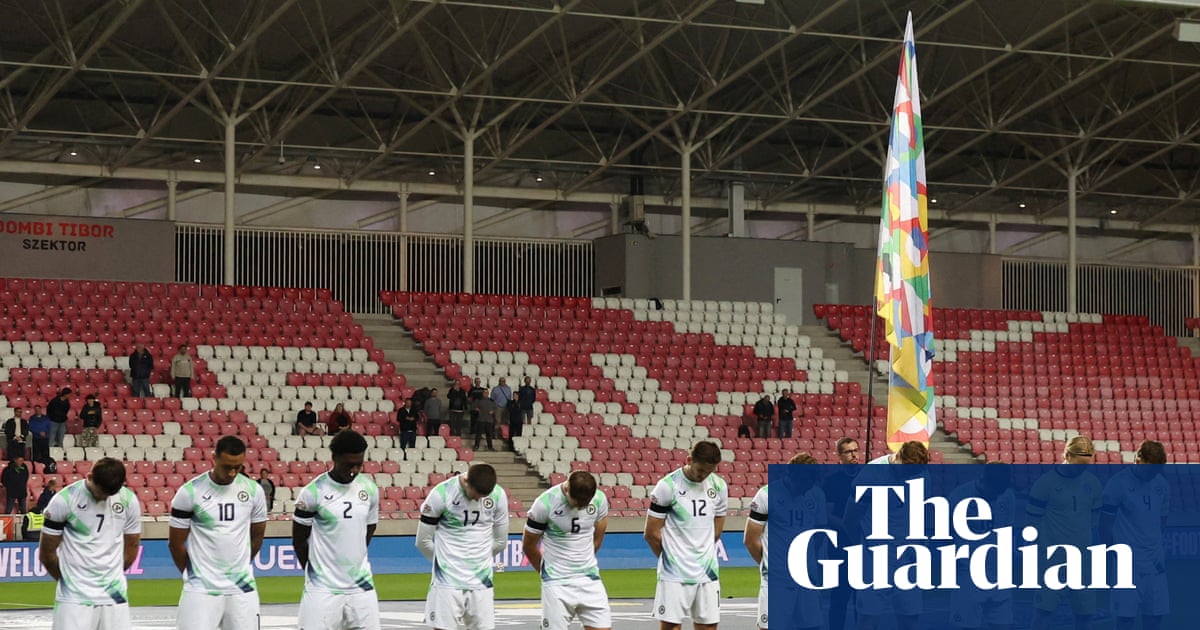
Adams was a key figure in Stellenbosch FC's recent campaigns before moving to Mamelodi Sundowns. His energetic displays in the group stage helped South Africa reach the Round of 32, where they were eliminated by Canada. The global football community will hold a moment of silence at Hard Rock Stadium to honor his memory.
The Quansah problem
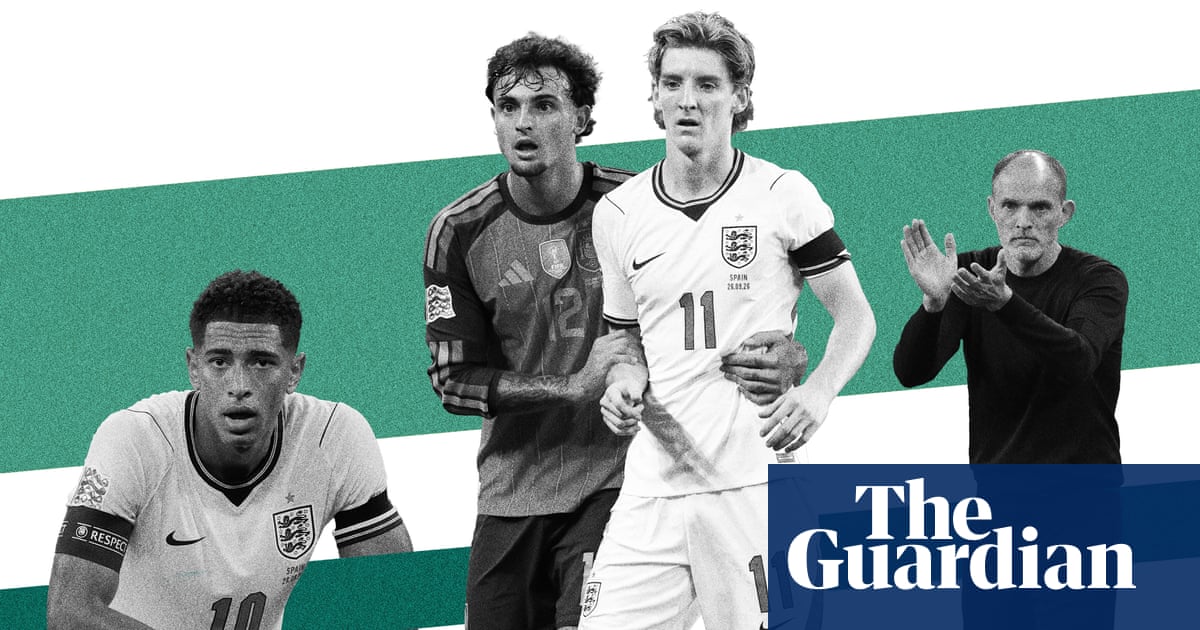
At Hard Rock Stadium, England faces a tactical hurdle that could end their campaign. Thomas Tuchel's side meets Norway in a highly anticipated quarter-final clash, with details of both squads featured in The Guardian's match preview. While England controlled 62% of the ball in their group games, their high defensive line remains incredibly vulnerable.
Ståle Solbakken has built a Norwegian unit designed to punish defensive arrogance. Norway absorbs pressure deep in their own half and strikes with direct verticality. Their historic 2-1 win over Brazil in the Round of 16 was not a fluke.
It was a masterclass in low-block execution. Brazil held the ball but created very little before Neymar converted a penalty. Then, Norway struck twice in the final ten minutes through Erling Haaland.
England's defensive vulnerability is amplified by the suspension of Jarell Quansah. The young defender was sent off in the 54th minute of the Round of 16 clash against Mexico. Despite playing with ten men, England held onto a 3-2 victory, as outlined in FIFA's official match center.
However, surviving Mexico's late onslaught at the Azteca is different from stopping Haaland. Without Quansah, Tuchel must reshuffle his center-back pairing. He will likely partner John Stones with Marc Guéhi.
This partnership has not been tested against elite direct runners. During the group stage, England conceded cheap goals when full-backs pushed high. Both Kyle Walker and Kieran Trippier tend to leave massive gaps behind them.
If England's full-backs vacate their zones, Norway will exploit the flanks immediately. Solbakken uses Antonio Nusa and Alexander Sørloth to stretch the defensive line. They quickly feed the ball into the half-spaces where Haaland operates.
During his pre-match press conference, Tuchel dismissed concerns about England's defensive fragility. The German tactician insisted that his system is designed to control transitions through counter-pressing. But theory often collides with reality when Haaland is sprinting into space.
Ødegaard and the transition engine
Norway averaged only 38% possession against Brazil but registered an expected goals (xG) value of 1.84. They do not care about holding the ball. Their entire system is geared toward high-value transitions.
In contrast, England managed a high pass completion rate of 88% against Mexico. Yet, they allowed 14 shots, including six on target. A repeating pattern under Tuchel is their slow recovery speed when possession is lost in the middle third.
Declan Rice has been asked to cover too much ground. When Bellingham moves forward to support Kane, Rice is left isolated. A midfield pivot of Rice and Kobbie Mainoo must remain disciplined.
Norway's midfield duo of Patrick Berg and Morten Thorsby will be critical. They run tireless channels, disrupting opposition buildup before it reaches Ødegaard. Their ability to foul tactically without picking up early bookings will determine the tempo.
If Mainoo wanders, Martin Ødegaard will dominate the space. The Arsenal playmaker is the brains of the Norwegian attack. His pass completion rate into the final third during this tournament is a stellar 82%.
Ødegaard needs only half a second to release Haaland. We saw this in the 90th minute against Brazil. Ødegaard recovered a loose ball, spotted Haaland's run between Marquinhos and Gabriel, and delivered a perfect through pass.
England's center-backs cannot match Haaland's raw acceleration. Stones is excellent at stepping into midfield to build play. But if he is caught out of position, Guéhi will be left isolated against a physical monster.
Tuchel's tactical setup requires high-pressing triggers. England tries to win the ball back within five seconds of losing it. If Norway breaks that first wave of pressure, England's backline is exposed.
This is where the tactical trap springs shut. Norway is comfortable bypassing the press entirely. They use direct long balls from goalkeeper Ørjan Nyland targeting Sørloth's aerial ability.
Sørloth won seven aerial duels against Brazil. He acts as the target man, flicking the ball down for Haaland or Ødegaard. England's midfield must win the second balls to prevent these rapid attacks.
Why Tuchel's setup plays into Solbakken's hands
Another issue is the left-back slot. Kieran Trippier has been deputizing on the left, but he lacks the natural left-footed angles to transition quickly. Norway's right-sided winger will look to exploit this imbalance by forcing Trippier onto his weaker foot.
Let's discuss England's attacking threat. Harry Kane has three goals in the tournament but has looked sluggish in transition. His habit of dropping deep often clutters the space Bellingham wants to exploit.
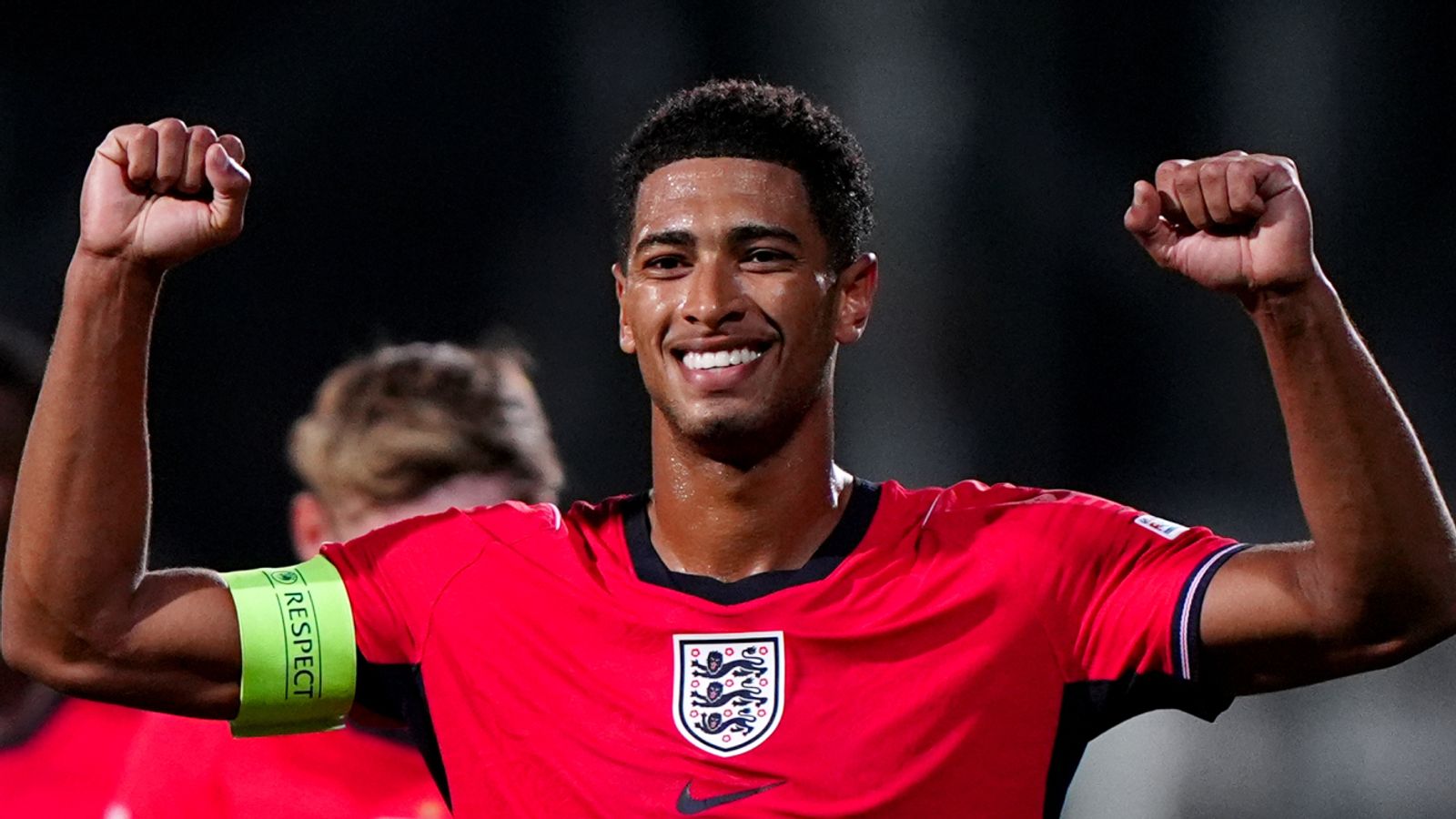
Bellingham was the savior against Mexico with his brilliant brace. But he cannot rely on individual brilliance to carry England past a disciplined low block. Solbakken will likely employ a back five when defending.
Leo Østigård and Andreas Hanche-Olsen will choke the central space. This leaves Bukayo Saka and Phil Foden with the task of breaking down the flanks. Foden has struggled on the left wing under Tuchel, failing to register a single assist.
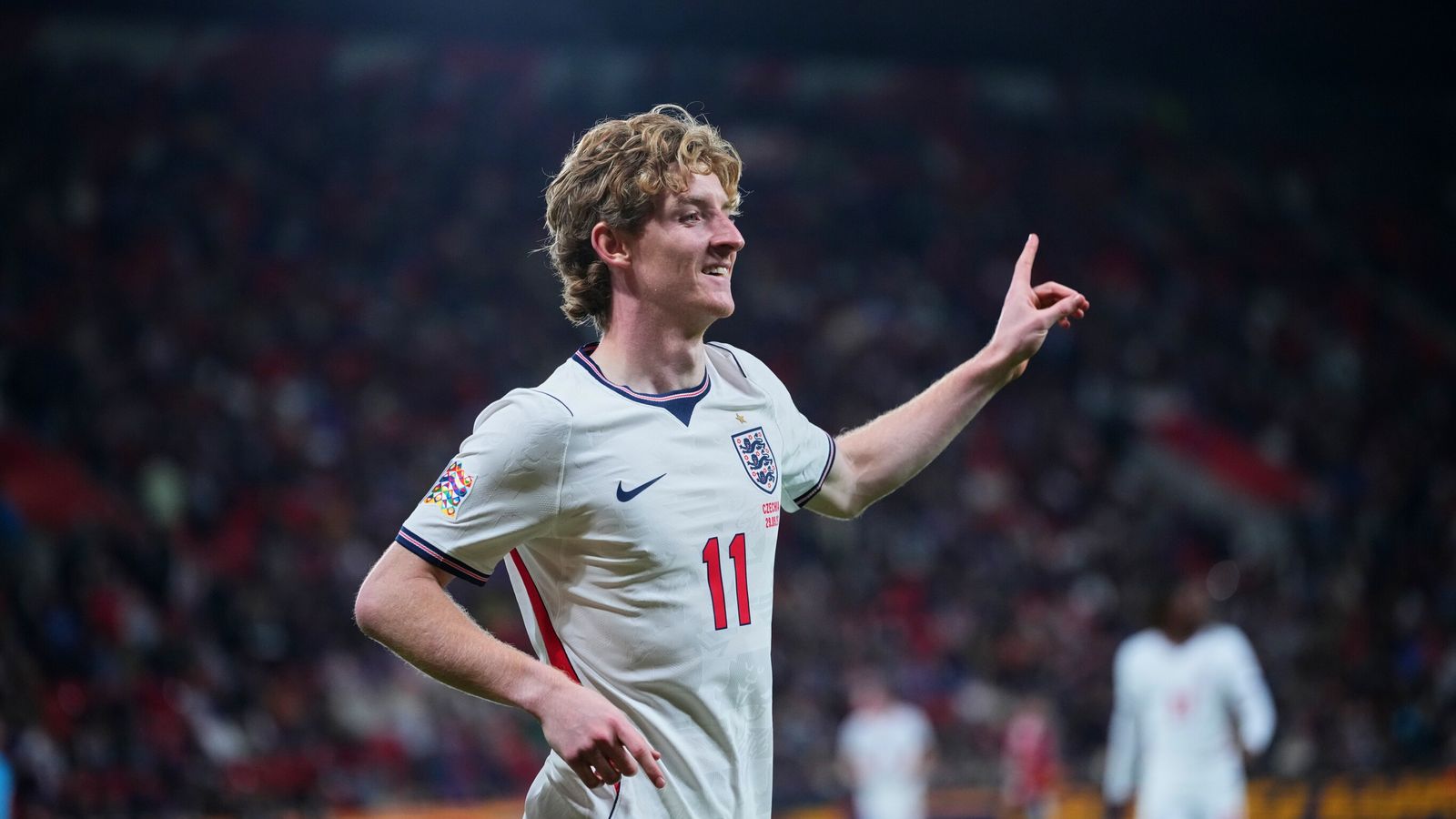
Tuchel's refusal to start Anthony Gordon is a glaring error. Gordon's pace could stretch Norway's defense and create space for Kane. Instead, Tuchel has favored Foden's possession-based style, which plays into Norway's hands.
England's best route to goal might be set-pieces. Under Tuchel, they have scored three goals from corners in this tournament. John Stones and Marc Guéhi will need to exploit Norway's zonal marking system during these situations.
If things go wrong, Tuchel has quality options on the bench. Cole Palmer and Ollie Watkins can inject directness and pace into a stagnant attack. However, Tuchel has historically been slow to make substitutions in knockout matches.
This brings us to the prediction. England will dominate the ball early and may even take the lead through a set-piece. But their high line will eventually prove to be their undoing.
Haaland will exploit the space behind Stones in the second half. A late counter-attack led by Ødegaard will seal England's fate. Expect a historic 2-1 victory for Norway.
Read Next
- How England plan to stop Haaland without Quansah in Miami
- Kane versus Haaland is the World Cup quarter-final we deserve
- Klopp is the perfect antidote to Germany's over-engineered failures
- England’s high line vs Haaland is a high-risk bet
- 🏆 World Cup 2026 — Full Coverage Hub
- 🏴 England World Cup 2026 — Three Lions Hub
- 🇳🇴 Norway World Cup 2026 — Can Haaland Lead the Vikings?