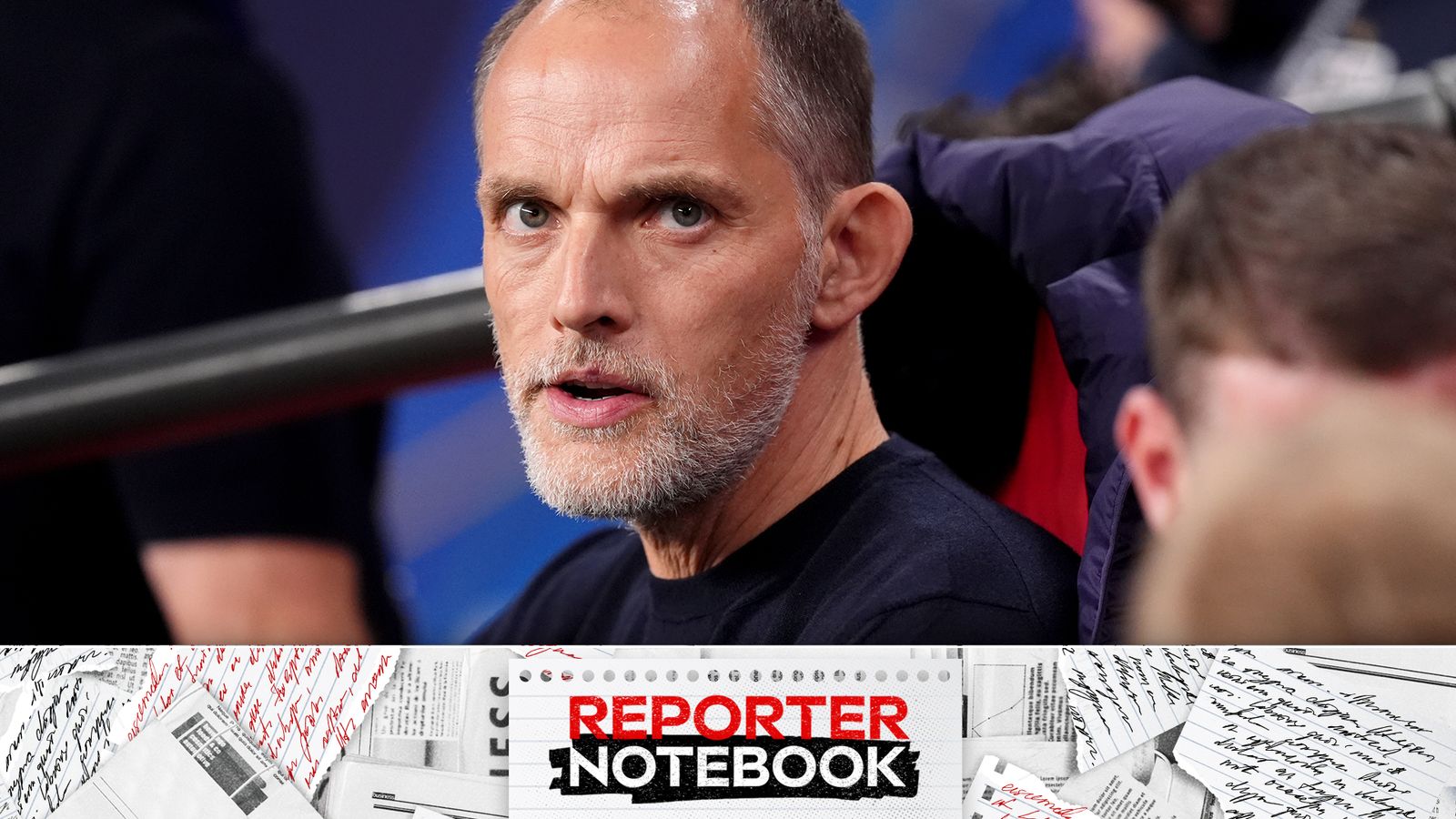
Thomas Tuchel is bringing his tactical whiteboard to England's World Cup run
Pull up a stool, grab a cold pint of Tennent's, and let's talk about the absolute circus that is the England national team's midfield. We are deep in the tournament, and Thomas Tuchel is pacing the touchline like a man who left his car keys inside a locked vault.
The tactical whiteboard in his office must look like a crime scene investigator's basement. Everyone in the country is arguing about the defense, but the real fire is burning right in the center of the pitch.
England have reached the business end of this World Cup, yet we still do not know what Jude Bellingham's actual job is. He is playing like a guy who owns the lease on the stadium and wants to touch the ball on every single blade of grass.
It is beautiful to watch when he is driving forward, but it is also giving his teammates a collective identity crisis. Tuchel has a massive decision to make, and he needs to make it before the quarter-finals arrive.
Let's be completely honest about what we are seeing in North America right now. The English media is obsessed with who starts at right-back or whether Trent Alexander-Arnold should play in midfield.
But as The Mirror reported, the biggest England tactical dilemma has nothing to do with the defense. It is all about how to deploy the crown jewel of Real Madrid without breaking the rest of the engine.
The Crowd in the Engine Room
Under Gareth Southgate, the midfield looked like a crowded elevator where nobody wanted to press the button for the top floor. Everyone wanted to occupy the same pocket of space ten yards outside the opponent's penalty area.
Phil Foden wanted to drift inside, Harry Kane wanted to drop deep to play quarterback, and Bellingham wanted to blast through the middle like a runaway freight train. The result was a glorious, expensive traffic jam.
Tuchel was brought in to replace that vibes-based system with some cold, hard German engineering. He wants structure, clean passing lanes, and a defensive shape that does not rely on individual miracles.
Yet, Bellingham's natural instincts are completely at odds with a rigid system. The kid is a force of nature, but you cannot run a tidy household when there is a category five hurricane living in the living room.
If you look at the heatmap from the last game, Bellingham's prints are all over the final third. He is practically sharing a shirt with Harry Kane at times.
This leaves Declan Rice completely isolated in the middle of the pitch, trying to cover the width of the Atlantic Ocean by himself. When England turn the ball over, opponents are slicing through their transition defense like a hot knife through butter.
This is not just a minor issue that you can solve with a quick team talk at half-time. It is a fundamental structural flaw that top-tier opponents will exploit without mercy. If Bellingham keeps acting as a second striker, the gap between the midfield and defense will become a runway for opposing playmakers.
The Real Madrid Blueprint vs. The England Reality
Carlo Ancelotti figured out a genius solution at Real Madrid by building a diamond midfield that let Bellingham run wild behind Vinicius Junior and Rodrygo. That worked because Madrid had Toni Kroos controlling the tempo and Aurelien Tchouameni sweeping up behind him.
England do not have Toni Kroos. Instead, they have Declan Rice, who is a phenomenal destroyer but lacks the metronome passing ability to control a game single-handedly.
If Tuchel plays Bellingham as a pure number ten in a 4-2-3-1, he is forcing Foden out to the wing where his impact is halved. Or worse, he is benching Cole Palmer, who has been the most creative player in the Premier League.
The statistics are glaring: when Bellingham plays closer to the opposition box, England score more goals but concede double the number of high-turnover shots. It is high-octane, high-anxiety football that Tuchel absolutely hates.
There is also the Kane problem to consider. The captain is at his best when he has runners going beyond him, but those runners need to start from wide areas.
When Bellingham starts high, he clogs the exact space Kane wants to occupy. It forces Kane to play as a traditional target man, a role that wastes his elite playmaking skills.
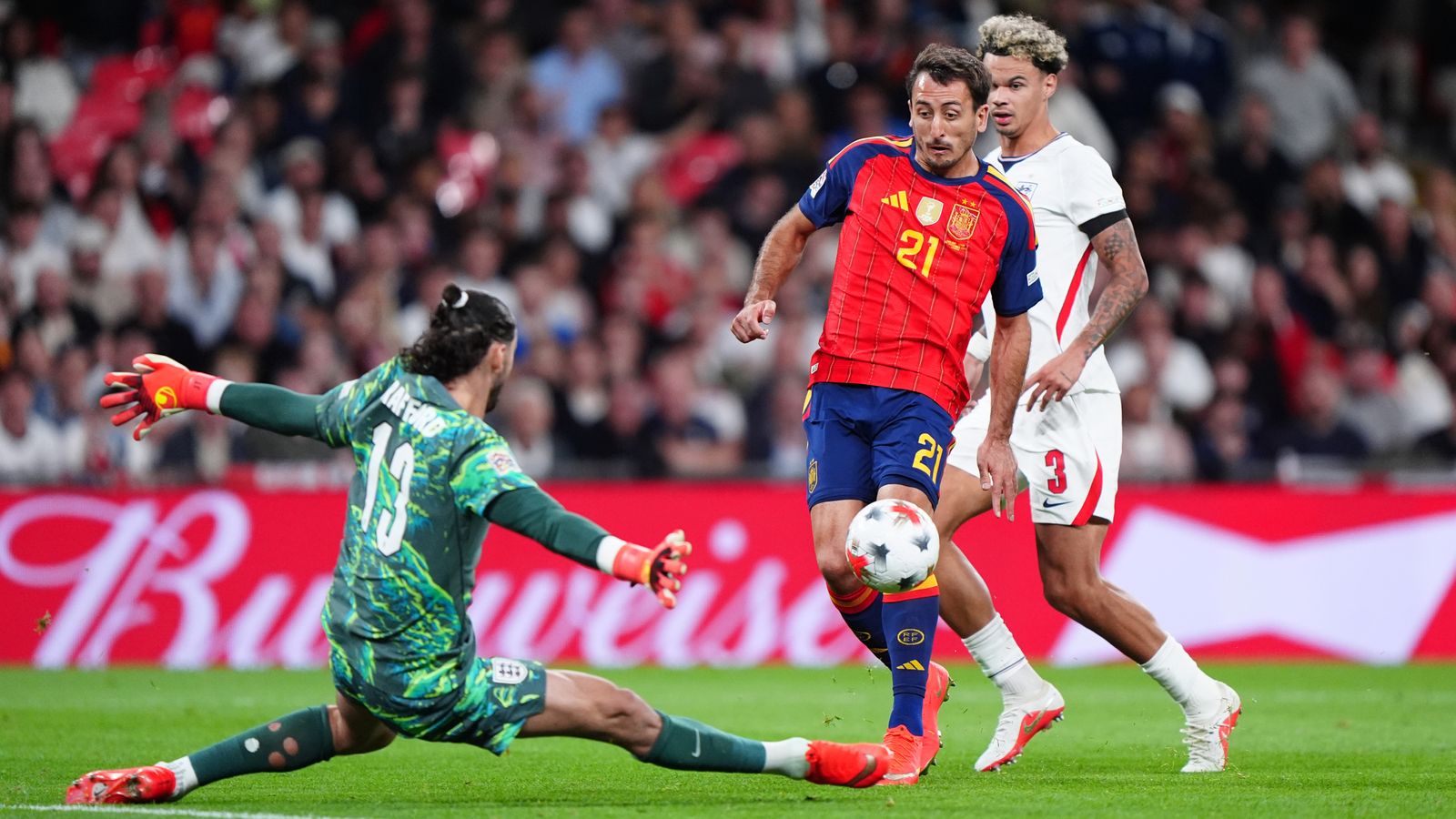
We saw this exact problem play out during the Euro 2024 final. Kane was stranded on an island, Bellingham was running into dead ends, and the midfield was completely bypassed by Spain. Tuchel cannot afford to repeat the mistakes of the past if he wants to bring football home.
Should Bellingham Drop Deeper?
The obvious tactical adjustment is to drop Bellingham into a deeper midfield role. Partnering him with Rice in a double pivot would give England a physically terrifying engine room.
They would dominate the duels, press teams into submission, and have two players capable of carrying the ball out of pressure. This is the setup that many pundits are screaming for.
But dropping him deeper also means stripping away his most lethal weapon. Bellingham scored 23 goals for Madrid in his first season because he has an uncanny ability to arrive late in the penalty area.
If you tether him to Rice, you are asking him to play with handbrakes on. He will spend his energy defending transitions rather than deciding games.
We saw a glimpse of this deeper role during the European Championship, and Bellingham looked visibly frustrated. He started dropping between the center-backs to demand the ball, slowing down the build-up play.
He was trying to do Rice's job, Mainoo's job, and his own job all at once. When Bellingham gets frustrated, he starts chasing referees and picking up stupid yellow cards.
He is a player who thrives on emotion, but that emotion can easily turn into self-destruction. A deeper role requires a level of patience that a 22-year-old superstar simply might not possess yet. Tuchel needs a disciplined positional anchor, not a frustrated megastar trying to carry the world on his shoulders.
The Cole Palmer Factor
The emergence of Cole Palmer has made this tactical puzzle even more complicated for Tuchel. Palmer is not a winger who wants to hug the touchline; he is a playmaker who wants to pull the strings. If Bellingham is occupied with defensive duties, it frees up Palmer to operate in the half-spaces where he is most dangerous.
Tuchel must decide if he wants to build the team around Bellingham's athleticism or Palmer's surgical passing. In the group stage, the team looked far more fluid when Palmer was given the keys to the offense.
According to the latest tactical data, England's expected goals chain increases significantly when Palmer is the primary progressor. Bellingham is the bigger superstar, but Palmer might actually be the better fit for Tuchel's possession style.
This is where Tuchel has to show some serious managerial courage. Dropping Bellingham deeper is a compromise that might please nobody. It limits Bellingham's attacking threat while still not giving England the control they need in possession.
If Palmer starts in the ten role, Bellingham must adapt or sit on the bench. That is a terrifying prospect for any England manager, but Tuchel was not hired to make friends. He was hired to win a World Cup, and that means making decisions that will make the front pages of the tabloids.
The Verdict: Tuchel Must Choose a Side
Tuchel cannot afford to sit on the fence during the knockout rounds. He must either make Bellingham the undisputed focal point of the attack and accept the defensive vulnerabilities, or he must convince him to play a disciplined, sacrificial role in midfield. The current hybrid solution is leaving England open to counter-attacks while stalling their build-up.
If England are to lift the trophy on July 19, they need a manager who is willing to make unpopular decisions. Southgate was criticized for being too loyal to his big-name players, often refusing to sub them off even when they were passenger-like. Tuchel does not have those personal relationships; he was hired to be a tactical assassin.
Let's see if the German coach has the nerve to bench a superstar or force them into a system they don't like. The tactical blueprint is clear, but implementing it is another matter entirely. The next match will show us whether Tuchel is in control, or if the inmates are running the asylum.
The fans in the pub are already nervous, and the pints are sweating. If England crash out because Tuchel could not figure out how to balance his midfield, the honeymoon period will end before it even started. The clock is ticking, the pressure is mounting, and Jude Bellingham is waiting.
Read Next