Midfield Spacing and the Anderson-Rice Conundrum
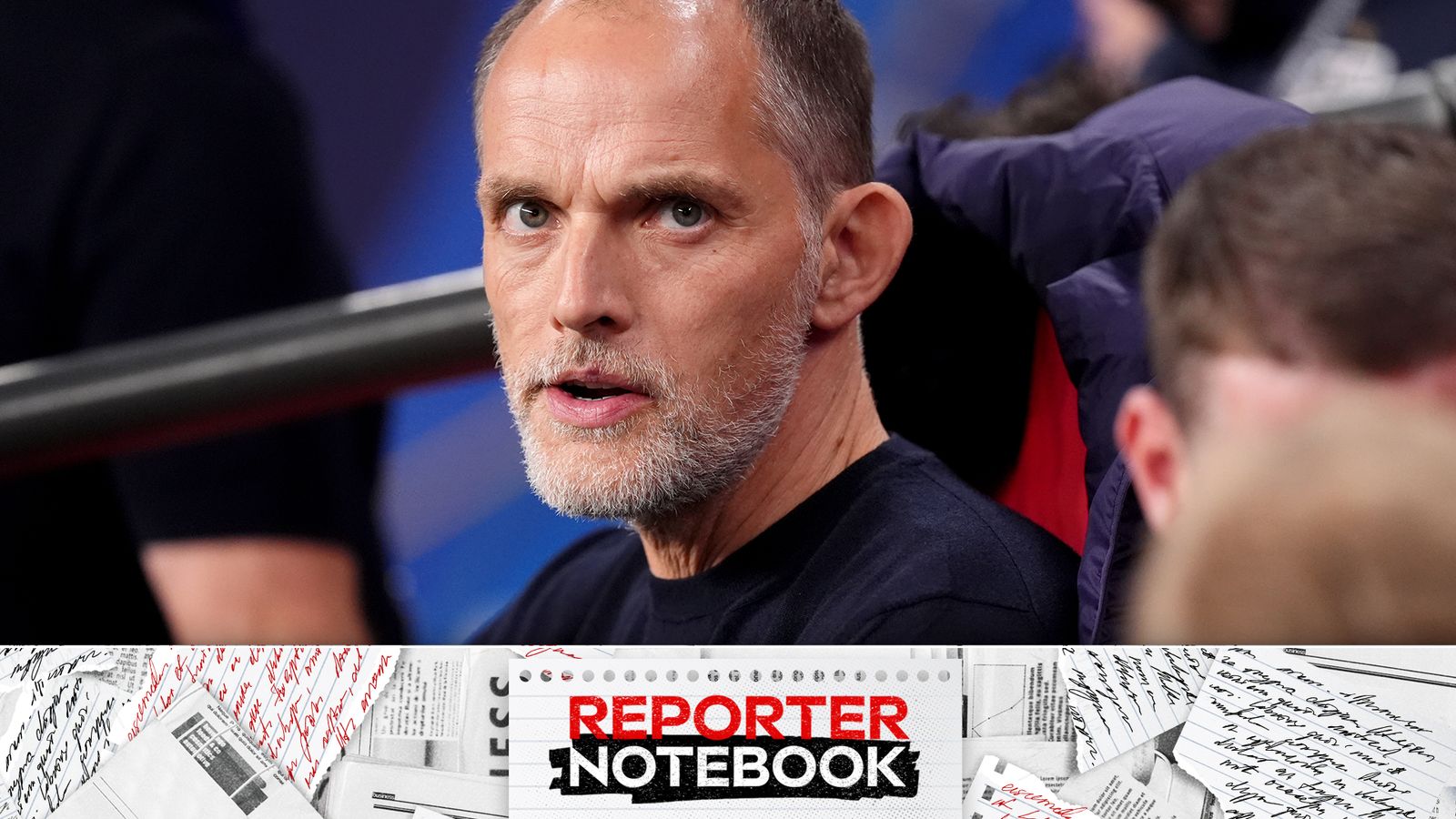
The road to the knockout stages is rarely smooth, but England's path has been particularly bumpy. As they prepare to face DR Congo on Wednesday, Thomas Tuchel finds himself at a critical crossroads. The tactical compromises that got England through the group stage will no longer suffice in single-elimination football.
Fans are already showing signs of anxiety, with debates raging over team selection and tactical identity. The optimism that greeted Tuchel's appointment has been replaced by a familiar feeling of dread. The next ninety minutes will either vindicate his methods or confirm the worst fears of the supporters.
England's pedestrian build-up play in the group stages has raised serious questions about their midfield structure. The 2-0 victory over Panama secured progression, but the display was far from convincing. The build-up phase against Panama was painfully slow, with the backline exchanging lateral passes for minutes on end.
This allowed the opposition to settle into a compact mid-block, completely cutting off the passing lanes into the final third. When Bellingham did receive the ball, he was immediately swarmed by three defenders. A lack of movement ahead of the ball made it impossible to progress centrally.
With Declan Rice rested due to a minor knock, Tuchel paired Jude Bellingham with Elliot Anderson in a double pivot. The result was a far more dynamic central progression than we saw in the opening matches. Anderson, who is set to complete a £120m move to Manchester City, played with a verticality that Rice has struggled to produce lately.
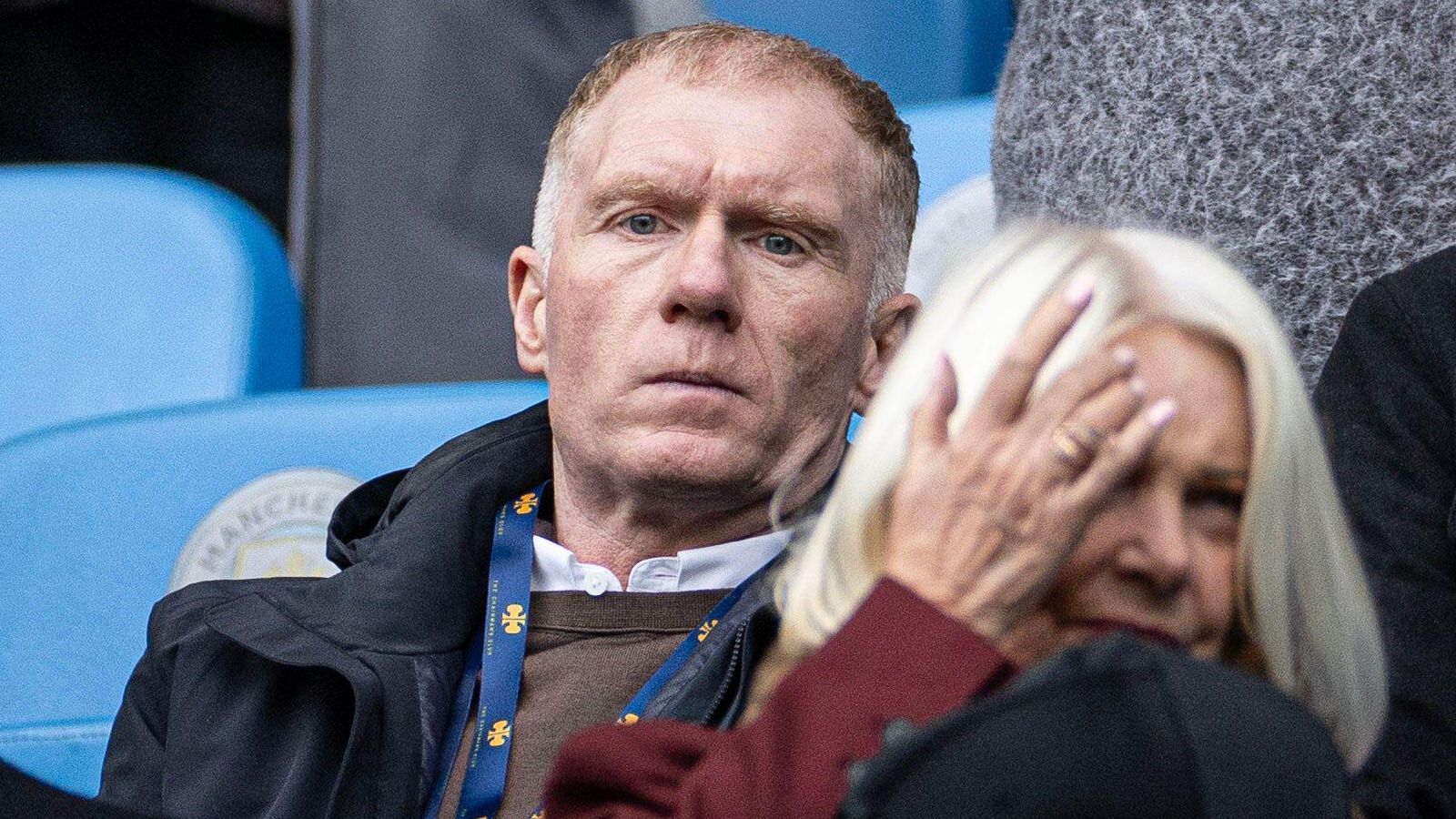
Paul Scholes has been vocal about this contrast, arguing that England do not need two defensive-minded midfielders against DR Congo. As Scholes explained on the podcast, the match must be treated as an opportunity to flood the pitch with creative talent. Scholes pointed out that Rice's safe passing at Arsenal has carried over to the national team, leaving players like Martin Ødegaard and now Bellingham isolated.
The numbers from the group stage back this up. In the opening two games, Rice averaged only four progressive passes per ninety minutes, often dropping deep. This safe approach slowed England's possession to a crawl.
When Anderson played against Panama, he instantly looked to bypass the opposition midfield line. He found Bellingham in the half-spaces five times in the first half alone. This forward-thinking approach is exactly what England need to break down a low block.
Scholes' argument isn't just about personnel; it is about tactical intent. By selecting Anderson alongside Bellingham, England would force DR Congo's defensive line to drop deeper, creating more space between the lines. Without that vertical threat, England will simply play in front of their opponents all night.
However, leaving out a player of Rice's defensive caliber is a massive risk. Nicky Butt has taken the opposite stance, arguing that Rice is simply too important to bench in a knockout match.
Butt agreed that playing two holding midfielders is unnecessary against weaker opposition, but insisted that Rice must start. It creates a direct tactical shootout that will define how Tuchel intends to control this game.
If Tuchel decides to start both Rice and Anderson, England risk repeating static, possession-heavy displays. The spacing in midfield becomes clogged, and Bellingham is forced to drop deep to retrieve the ball.
If he starts only one, he must choose between Rice’s defensive stability and Anderson’s forward thrust. It is a defining decision for a manager who prides himself on structural clarity.
"England don’t need to play two sitting midfielders in the next game." — Paul Scholes
The Winger Dilemma and the Saka Fitness Gamble
England’s issues are not confined to the middle of the pitch. The production from the wide areas has been incredibly poor throughout this tournament. None of the wingers have managed to make a starting spot their own, leaving the attack looking remarkably narrow and easy to defend against.
The situation surrounding Bukayo Saka is particularly concerning. Saka has been carrying a persistent Achilles issue after an injury-plagued domestic campaign. He was eased into the tournament, making his first start in that Panama game, but his influence was heavily restricted.
Saka’s Achilles issue has clearly robbed him of his explosive acceleration in 1v1 situations. Against Panama, he failed to complete a single dribble and was frequently forced to play backward passes to his fullback. This lack of penetration on the right flank made England's attack highly unbalanced and easy to defend.
Gary Neville noticed the dip in Saka's typical energy during the match. As The Mirror reported, Neville singled out the Arsenal star's lack of mobility. Ian Wright supported this view, suggesting that the winger is in desperate need of a break rather than being rushed into knockout matches.
Saka himself has admitted that playing through the pain is a massive gamble. He made it clear that while players have to make a choice, the public expects them to deliver regardless of their physical condition. It is a brave stance, but it might not be what England need in a high-stakes knockout match where physical intensity is non-negotiable.
Wright's warning is backed by the sheer volume of minutes Saka has played over the last three seasons. Rushing him back for a physical battle against DR Congo could risk aggravating the injury. Tuchel must weigh the short-term benefit of Saka's presence against the long-term risk of losing him for the rest of the tournament.
Roy Keane has also weighed in on the wider problem, noting that England’s wingers have failed to seize their opportunities. With none of the wide players showing any real sharpness, England's attacking play has become painfully predictable. If Saka is not at full fitness, starting him again could prove to be a liability against a physical DR Congo defense.
Tuchel must decide whether to continue this gamble or look for alternative solutions on the flanks. Kyle Walker has publically backed Saka to step up and make a difference alongside Harry Kane. But hope is not a tactical plan, and Saka's physical limitations were clear to see in his sub-par output against Panama.
The tactical alternative is to shift to a back three, utilizing wing-backs to provide the width that the natural wingers are failing to deliver. This would also solve the midfield dilemma by allowing Bellingham and Anderson to play ahead of a single screen. However, changing systems mid-tournament is always a dangerous move for a team that already looks structurally insecure.
"Bukayo Saka doesn’t look right at all. He’s usually the boy that’s bubbling and smiling... but he’s not right" — Gary Neville
The Nagelsmann Warning and the Heavyweight Illusion
England can look to Germany for a warning about the dangers of living on reputation. Julian Nagelsmann's side topped Group E with six points, but their performances have been similarly unconvincing. They face Paraguay on Tuesday, and the mood around their camp is similarly tense.
Gary Lineker has been highly critical of the German side, calling them one of the weakest German teams he has ever seen. Lineker predicted that France would have no trouble defeating them in a potential quarter-final matchup. The criticism has clearly struck a chord within the German squad, prompting strong responses from key players.
Kai Havertz dismissed Lineker's comments, stating that he has no interest in outside opinions. As Havertz noted in his press conference, the team is fully focused on their own improvement. Yet Havertz also admitted that he, Florian Wirtz, and Jamal Musiala have not yet shown what they are capable of as an attacking trio.
Lineker's harsh assessment of Germany as one of the weakest sides in their history has created a media storm. His prediction that France will cruise through to the semi-finals has put Nagelsmann's squad on the defensive. Yet the German players have tried to use this criticism as motivation.
With Deniz Undav pushing for a starting spot, Nagelsmann is under immense pressure to make changes to his frontline. The German manager has openly spoken about the intense scrutiny, noting that a single defeat makes everything look terrible. It is a sentiment that Tuchel will surely share as he prepares his team for Wednesday.
The pressure on Nagelsmann is immense, especially given Germany's recent history of group-stage exits. He knows that in knockout football, style is secondary to survival. His comment that a single defeat makes everything look terrible reflects the high-stakes environment both Germany and England are operating in.
The parallel between England and Germany is striking. Both are European heavyweights struggling to integrate their creative players into a cohesive system. Both have managers facing intense media scrutiny over selection decisions. Both run the risk of an early exit if they cannot find a way to improve their offensive output.
England's fans are already growing impatient, with many calling for the return of defensive stalwarts like Harry Maguire. The defensive line looked shaky against Panama's counter-attacks, and DR Congo will pose a far greater physical threat. If Tuchel cannot find the right balance, England's World Cup journey could end much sooner than anyone expected.
Confident Prediction: Tactical Stubbornness Will Prevail
Despite Scholes' advice, Tuchel is highly likely to revert to a more conservative lineup. Rice will almost certainly return to the starting XI to partner Bellingham, with Anderson dropping to the bench. It is a decision that prioritizes defensive security over attacking fluidity.
Saka will also likely start, despite the obvious physical limitations caused by his Achilles issue. Tuchel will trust his big-game experience, hoping he can find a moment of quality. This conservative approach will make for a tense and close encounter against a resilient DR Congo side.
Expect England to dominate possession but struggle to create clear-cut chances in the first half. A moment of individual brilliance, likely from Bellingham, should be enough to secure a narrow victory. However, this team remains far from the level required to challenge the tournament favorites, finishing the match with an underwhelming 87% pass completion rate.
Read Next
- England might be sleepwalking into a World Cup disaster against DR Congo
- Thomas Tuchel needs to stop overthinking the Jude Bellingham debate
- Why England's wide dysfunction could hand DR Congo a World Cup shock
- England face a massive tactical puzzle before their DR Congo showdown
- 🏴 England World Cup 2026 — Three Lions Hub