The closing chapter of a tactical masterpiece
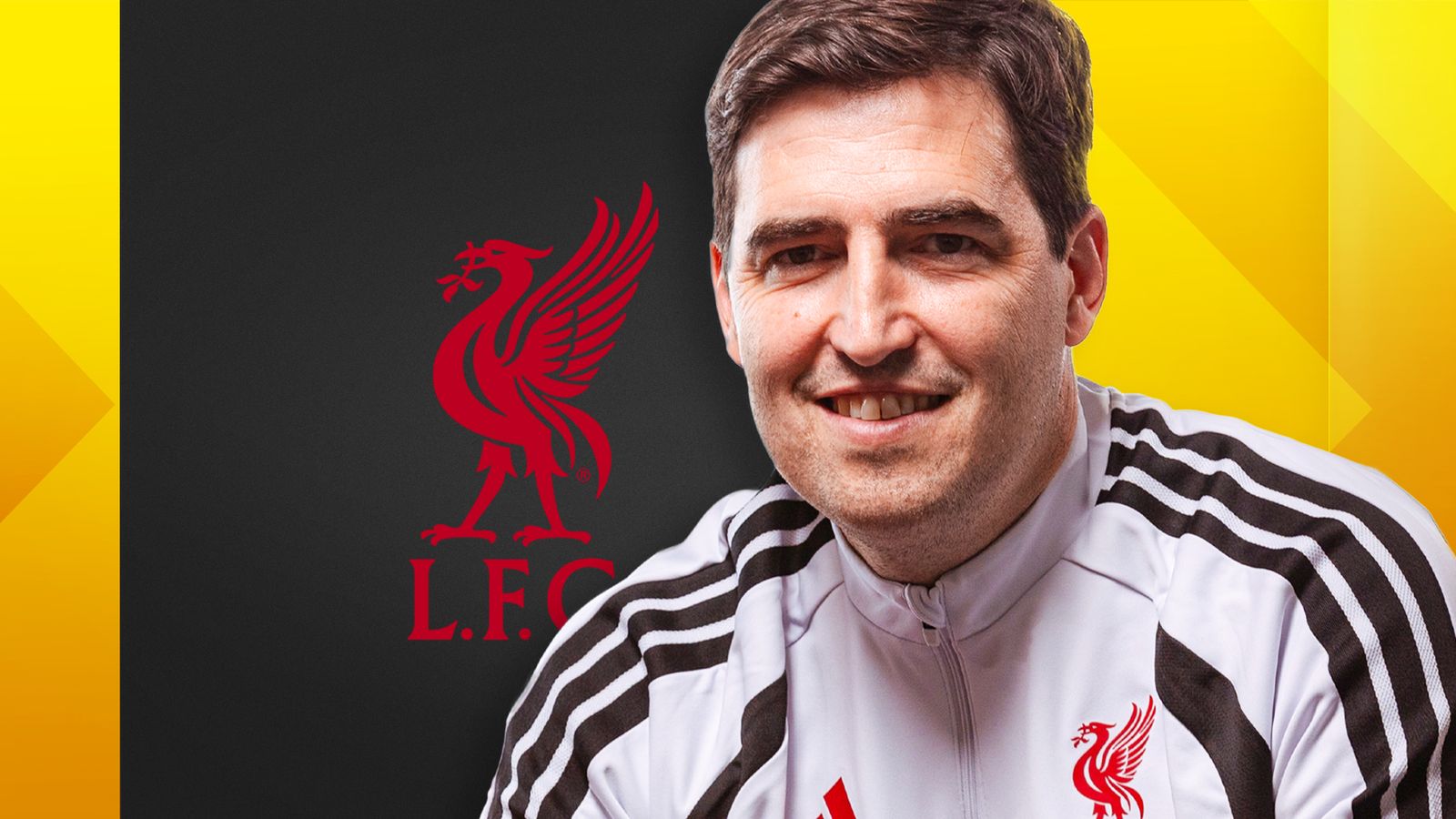
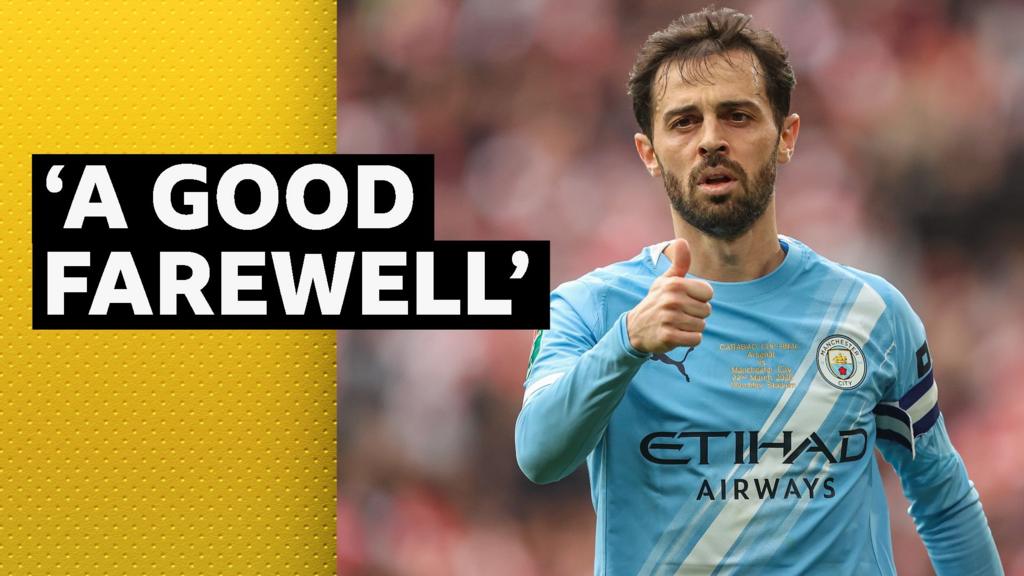
Pep Lijnders recently addressed the future of Bernardo Silva at Manchester City with a pragmatism that felt colder than the spring rain. He remarked that every good story comes to an end, a sentiment that feels less like a managerial platitude and more like an acknowledgement of a changing of the guard.
For years, Silva has been the heartbeat of this team. While names like Kevin De Bruyne and Erling Haaland capture the headlines, Silva provided the connective tissue. Watching him dictate the tempo against mid-table opposition or track back to thwart a transition in the 89th minute, you understood his value was constant. He turned high-pressing into an art form.
The math behind the transition
Manchester City operates with a ruthless clockwork momentum. When a player hits a certain age or reaches a point where their output plateaus, the machinery moves on. Having monitored the squad since his arrival, Lijnders is well aware that holding onto legacy assets often leads to long-term decline.
The club has consistently demonstrated this during the last three summer windows. They rarely overstay their welcome with veteran stars, choosing instead to bank the transfer fee and rotate in younger, hungrier profiles. If Silva leaves this summer, it will be the latest in a series of calculated departures that kept City ahead of their European rivals.
The tactical void remains real
Ignoring the emotional weight of a departures is easy until the first match of the season begins. Who fills the space left by a player who functioned as a secondary holding midfielder, a winger, and a false nine? As Lijnders noted on the BBC, the uniqueness of Silva's profile presents a stiff challenge for the recruitment staff.
The issue for City is that modern squads are becoming increasingly modular. Replacing a player with such specific tactical intelligence is harder than buying a teenager with raw pace. You can recruit for speed, but you cannot purchase the years of tactical synergy he developed within Pep Guardiola’s specific system.
A look ahead at the April schedule
City sits on the precipice of another potential trophy hunt, with the Champions League quarter-finals kicking off on April 07, 2026. Focus has shifted almost entirely to the European stage. The irony is that Silva’s presence may be the only thing securing their defensive transition against counter-attacking sides.
His performance levels have not dropped, which makes the conversation about his departure all the more jarring. It highlights a common failure in modern football management: waiting until a player looks finished before moving on, rather than exiting while they are still elite. City manages this better than most, yet even they run the risk of creating a talent deficit in their pursuit of optimal efficiency.
Failure to integrate a proper successor by the time the squad reconvenes for the 2026-27 campaign would be a rare misstep for a front office that prides itself on foresight. They need a successor who offers the same defensive work rate, not just a flashy playmaker who vanishes when the ball is lost. The standard is absolute.
Read Next
- Bernardo Silva's departure leaves a massive void at Manchester City
- Bernardo Silva's looming exit marks the end of a City era
- Bernardo Silva's future is the distraction City can't afford
- Erling Haaland finds his rhythm just when Manchester City need it most
- 🇵🇹 Portugal World Cup 2026 — A Seleção Hub
- ⭐ UCL 2026 — Champions League Quarter-Finals Hub