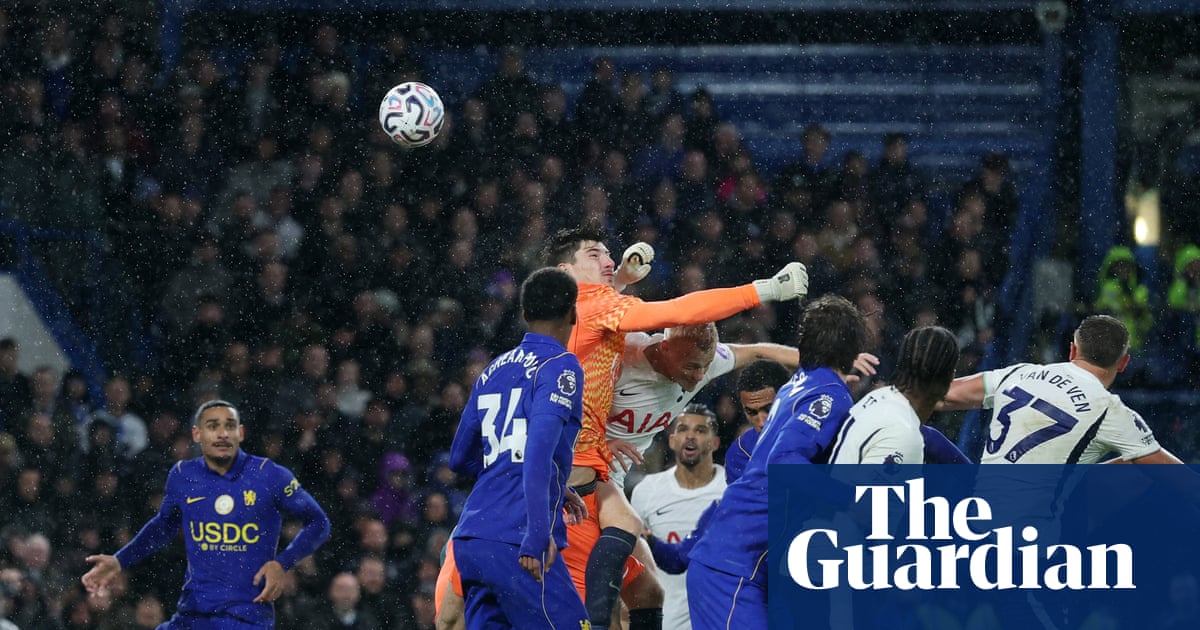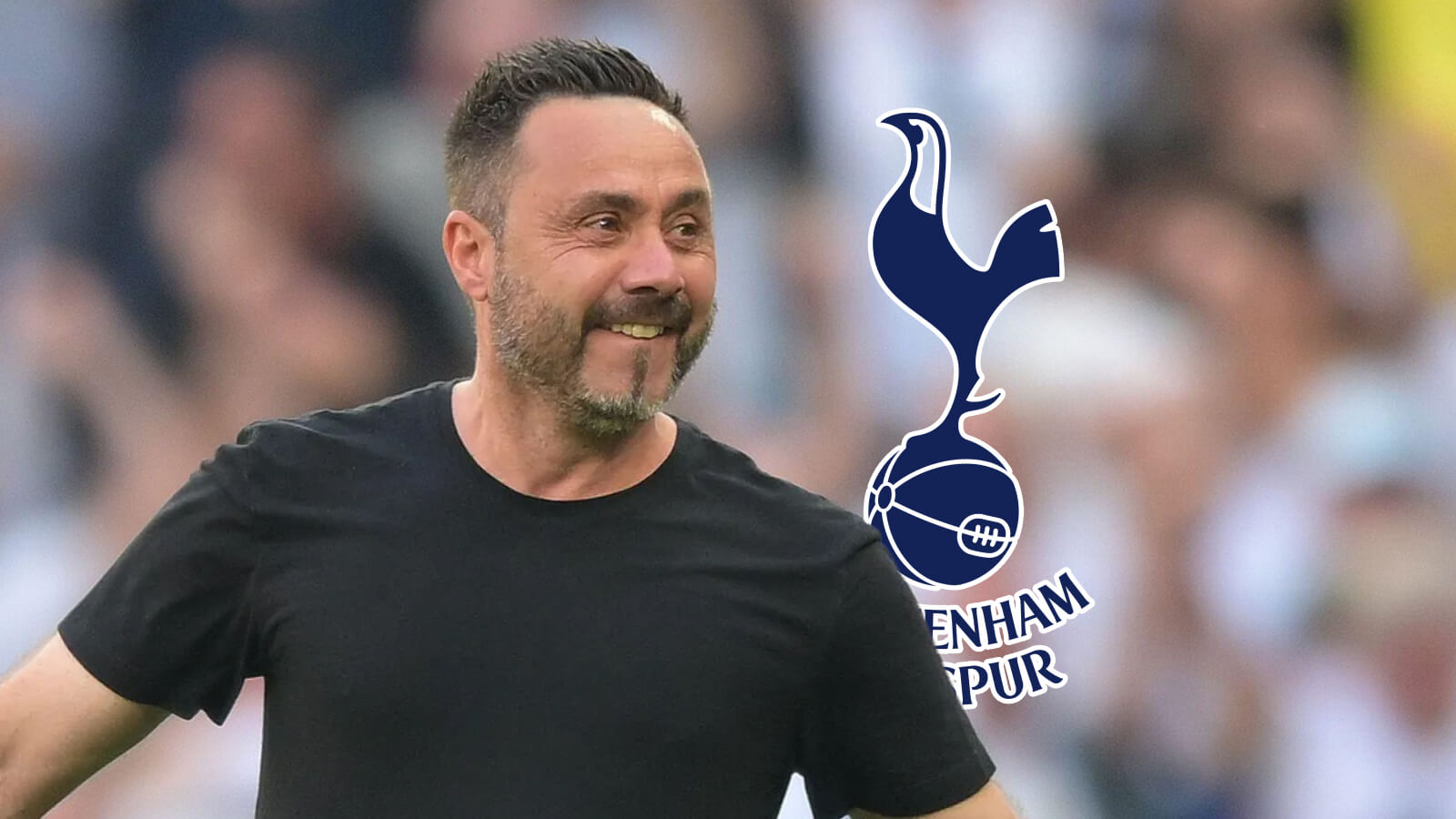
Six Hours Without a Goal: Inside De Zerbi's Tottenham Gridlock
Four matches into the new Premier League campaign, Tottenham Hotspur find themselves stranded on just two points. Saturday night's 0-0 draw against Everton at the Tottenham Hotspur Stadium ended with a chorus of boos echoing around the stands. It was the first goalless draw in the stadium's history.
More critically, it extended Spurs' goal drought to six hours of league football. That stat should send shivers through N17. Following consecutive 17th-placed finishes, Tottenham backed Roberto De Zerbi with an eye-watering summer transfer window.
Over £300m was dumped into the squad to rebuild the spine. Yet after four matches, Spurs remain winless and goal-barren, hovering precariously above the drop zone. The investment was supposed to deliver immediate dynamic attacking football.
Instead, Tottenham look completely paralyzed when trying to penetrate compact defensive structures. De Zerbi was drafted in late last term to stave off relegation, which he narrowly achieved. Now, despite twice breaking their transfer record for Sandro Tonali and Mateus Fernandes, the team looks fundamentally broken in possession.
As reports surrounding De Zerbi's future indicate, the hierarchy is resisting a knee-jerk sack verdict. Journalist Pete O'Rourke reported that the board still views De Zerbi as the man to get things right. However, patience in North London has a very short half-life when £300m yields two points from four matches.
Tactical Inertia and the 'Sbloccarsi' Delusion
In his post-match media duties, De Zerbi pointed to psychological hurdles rather than systemic flaws. He leaned on the Italian word sbloccarsi — meaning to unblock oneself — claiming his squad suffers from a mental block leftover from last season's survival battle.
He even defensively quipped that in Italy, two consecutive clean sheets would brand him the best coach in the country. That rationale misses the mark entirely. Against Everton, Tottenham held plenty of the ball, but their passing patterns were painfully predictable.
De Zerbi's tactical model relies on baiting the press to play through the center. When opponents refuse to bite and sit in a structured mid-block, Spurs funnel play out to the flanks. That structural failure results in hopeless crosses into an isolated penalty box.
"Out of all the things they have done spending £300 million, one of the problems I thought when they assembled this squad will not be a lack of goals, I did not see that one... But to not score in the Premier League in six hours of football is absolutely diabolical whatever way you look at it." — Jamie Redknapp
As Jamie Redknapp tore into Spurs on Sky Sports, the failure of Tottenham's attacking personnel is baffling. Dominic Solanke, Omar Marmoush, Savinho, and Mohammed Kudus offer an array of talent. Yet none look synchronized with De Zerbi's movement patterns.
The spacing between the midfield pivot and the forward line is routinely too wide. This positional disconnection leaves attackers isolated against double-coverage. When Sandro Tonali and Mateus Fernandes fail to break lines with vertical passes, the entire build-up grinds to a halt.
Former midfielder Ashley Young did not hold back either, labeling the six-hour goal drought a disgrace. He insisted the players must take personal responsibility for the lack of output. When elite recruits look uncertain about whether to push forward or hold position, the issue is not individual form but a rigid tactical setup.
Key Flaws in Tottenham's Build-Up Mechanics
A deep tactical dive into Tottenham's four matches reveals three recurring failure points:
- Predictable Pivot Play: Central midfielders rotate horizontally rather than breaking vertical lines to find attackers between the opposition midfield and defense.
- Zero Half-Space Overloads: Full-backs hold wide width, but interior runners fail to attack the half-spaces to drag central defenders out of position.
- Sluggish Transition Speed: Counter-attacks are regularly halted to reset into static possession, giving opponents time to re-establish two banks of four.
The Standard at the Top: Raya and Arsenal's Cold Efficiency
While Tottenham flounder in front of goal, their North London rivals are demonstrating what elite execution looks like. Arsenal maintained their perfect 100 per cent start to the season on Saturday night with a ruthless 2-0 win away at Sunderland.
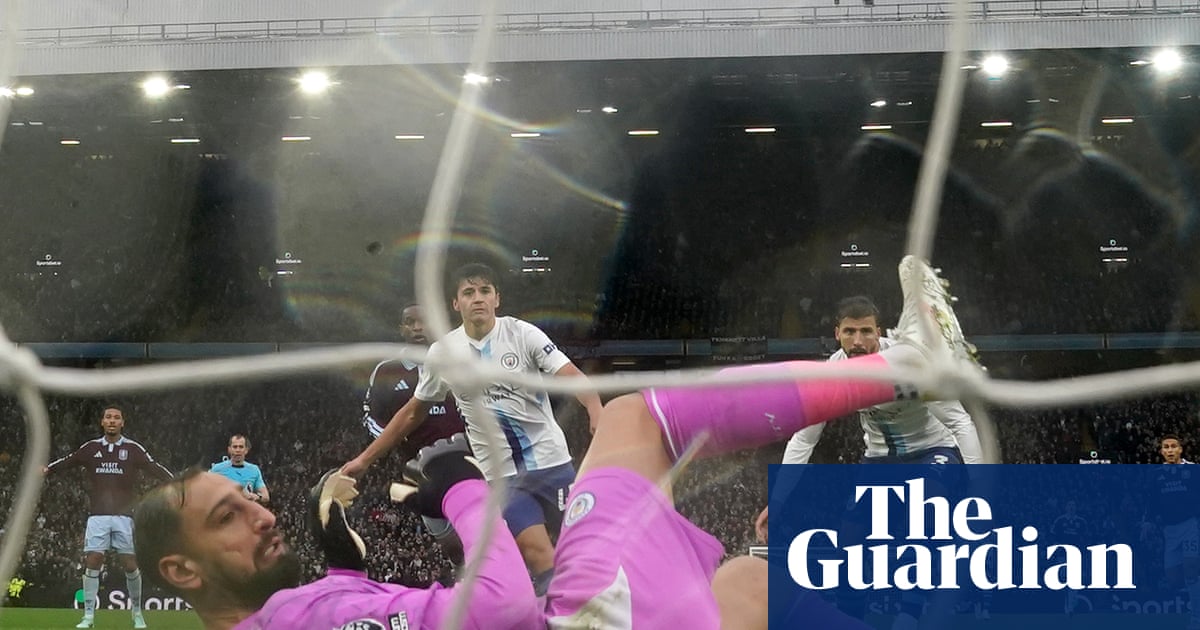
The match turned in a frantic 121-second window during the second half. Sunderland were awarded a penalty, but David Raya dove low with a strong hand to deny Enzo Le Fée. Just 121 seconds later, Arsenal broke downfield and Bruno Guimaraes swept home the opener before Bukayo Saka sealed the victory.
Guimaraes afterwards hailed Raya as definitely the best goalkeeper in the world. The Spain international has conceded just one goal across six matches this campaign. His shot-stopping and box distribution have transformed Arsenal into a relentless defensive unit.
Even former Spurs manager Thomas Frank praised David Raya on Match of the Day, labeling him the finest keeper in the Premier League. Frank highlighted Raya's box command, distribution, one-on-one stoppers, and defense of space behind a high defensive line.
Raya's ability to launch immediate counter-transitions via rapid throws is an offensive weapon Spurs simply do not possess right now. His composure under pressure allows Arsenal to absorb heavy spells of momentum before striking with clinical efficiency.
"In Italy, for example, now, I should be the best coach, no? Two games, two clean sheets, or no? Tomorrow, what do you write? Clean sheet or no goals?" — Roberto De Zerbi
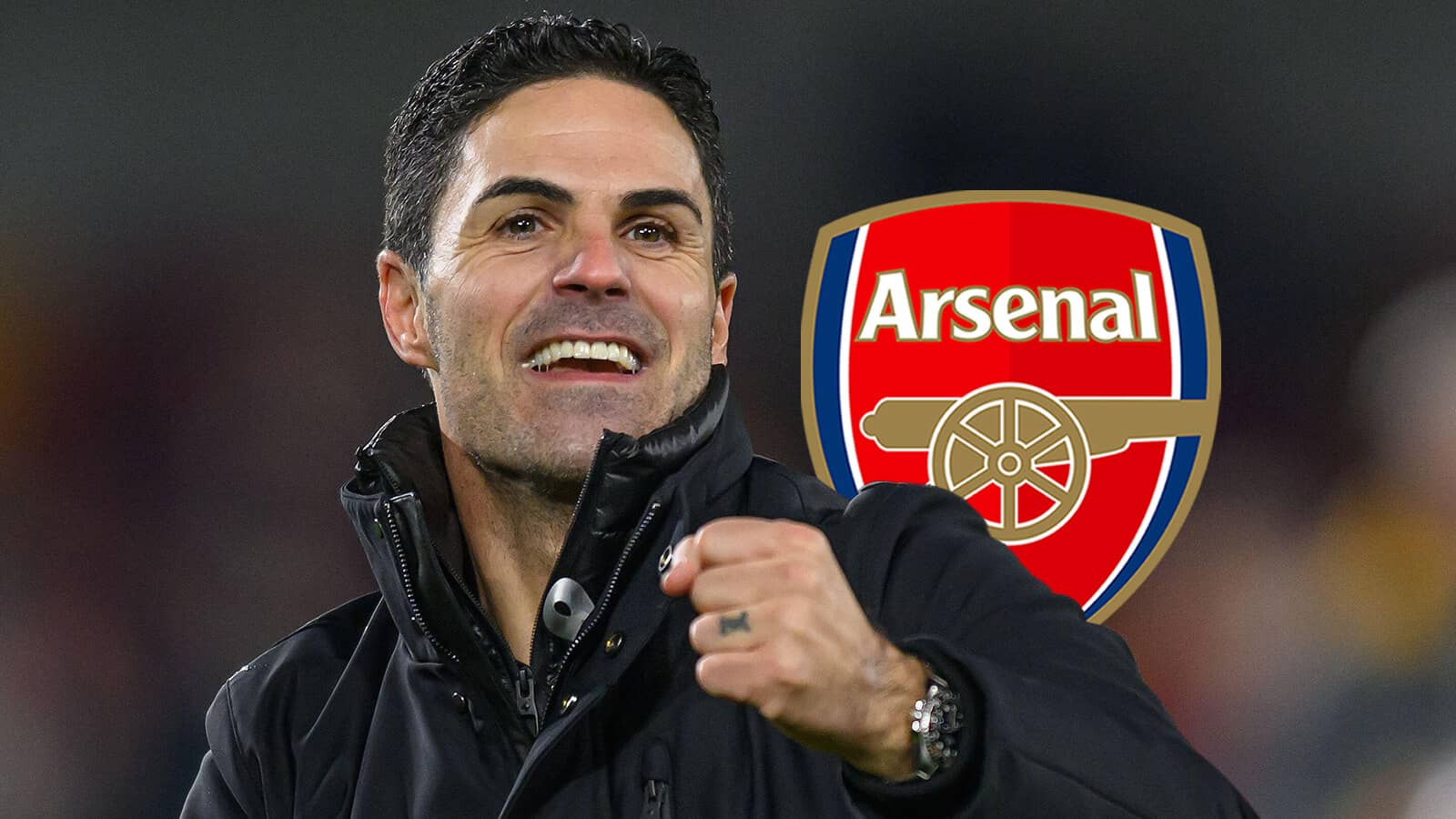
Arsenal sit comfortably atop the Premier League table after four games. They will remain there unless Manchester City defeat Manchester United on Sunday by two goals or more. The contrast in tactical clarity between Mikel Arteta's side and De Zerbi's outfit could not be more stark.
What's at Stake and the Tactical Verdict
For Tottenham, the honeymoon period for De Zerbi's summer spend ended at the final whistle against Everton. The board may claim there will be no knee-jerk reactions, but football management is ultimately a results business.
According to reporting from TeamTalk, De Zerbi remains confident he can turn the tide once his squad fully adapts to his demands. However, De Zerbi must make immediate tactical adjustments if he expects to survive past autumn.
Relying on slow, methodical possession with zero vertical penetration is suicidal against low-block Premier League defenses. If he continues to force Tonali into a restricted deep role while isolating Solanke up front, Spurs will remain bogged down near the bottom three.
My prediction for Tottenham's next outing is another tight, nervous encounter. Expect De Zerbi to grind out a narrow 1-0 victory through a late set-piece, momentarily pausing the immediate sack talk. But until Spurs dramatically increase their tempo in the final third, this squad will continue to fall far short of its £300m billing.