The quiet pursuit of Marcos Senesi
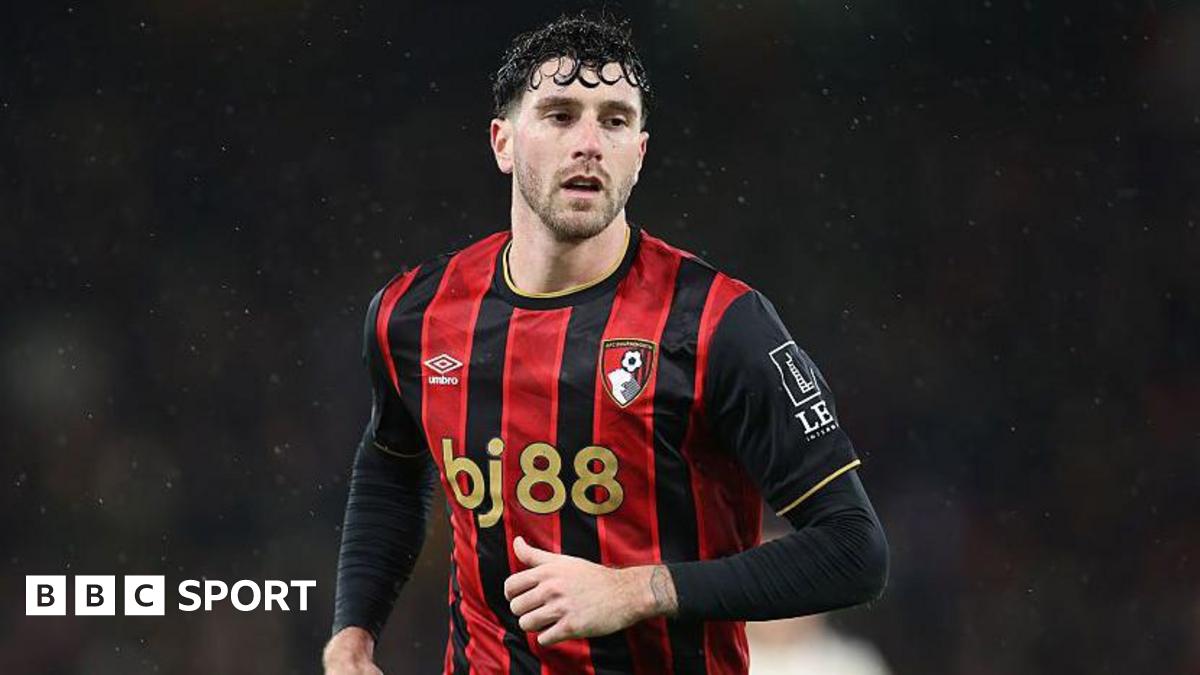
Tottenham Hotspur are inching toward the signing of Marcos Senesi on a free transfer from Bournemouth. On the surface, the move aligns with the pragmatic bookkeeping that defines Daniel Levy’s administrative era. Snagging a Premier League-tested defender without a transfer fee appears to be the high-utility maneuver that the manager’s boardroom demands. Yet, this recruitment pattern reveals a deeper, structural inertia at Spurs.
As the BBC recently highlighted, the deal is in the final stages of completion. Senesi offers positional versatility and a level of comfort in possession, traits that have stabilized Bournemouth’s backline during the 2025-26 campaign. However, signing a player because he is available rather than because he addresses a specific, pressing tactical deficit often signals a lack of clear sporting direction.
The shadow of distraction in North London
The timing of this recruitment echoes the general malaise infecting elite managerial circles as the calendar turns toward the 2026 World Cup. Tonight’s Champions League final serves as the last domestic hurdle before players fly off for international duty, an event The Guardian noted is already being overshadowed by managerial movement. While clubs scramble to finalize squads, their managers are frequently negotiating personal futures elsewhere.
Mauricio Pochettino’s current predicament with the USMNT illustrates the folly of split focus. When the top decision-makers are pondering their next project even as a global spectacle looms, the transfer market feels secondary, if not reactive. Spurs are not building a winning side; they are collecting assets in a cooling market.
The defensive arithmetic
Senesi’s value is not in doubt, but his impact on the ceiling of this Tottenham side is marginal. The modern defensive requirement is to be a secondary playmaker in high-line systems. While Senesi logs respectable passing percentages, the 82 percent completion rate he maintained across the 2025-26 season is not the transformative figure required for a title-chasing unit. If the objective is to challenge for the top four, the club needs aggressive upgrades, not depth pieces.
This is where the risk lies. Signing free agents to long-term deals creates wage-bill fatigue that eventually limits incoming transfer funds in subsequent windows. If the coaching staff cannot integrate a new defender into a high-octane press, the player becomes an expensive passenger. Tottenham’s history of signing serviceable middle-tier talent to plug gaps is a well-documented failure.
Missing the point of the summer window
The irony is that this comes at a time when the pressure to perform is reaching a boiling point. As the world turns its eyes to the World Cup, the clubs that succeed are those that treat every transfer window as a singular attempt to solve this season's specific tactical failure. Instead, we see Spurs moving for Senesi as if they have the luxury of time.
There is a dangerous complacency in this strategy. The club seems resigned to chasing the pack rather than dictating the flow of the next season. Unless the incoming staff has a defined, rigid tactical role for Senesi that goes beyond his baseline reliability, this signing will serve only to pad the depth chart while the actual starting XI remains brittle. The real test of the summer will be whether the club can identify talent that resets the defensive rhythm, rather than just sustaining the old one.