Senne Lammens and the tactical cost of Manchester United's keeper rotation
The shadow of a World Cup snub
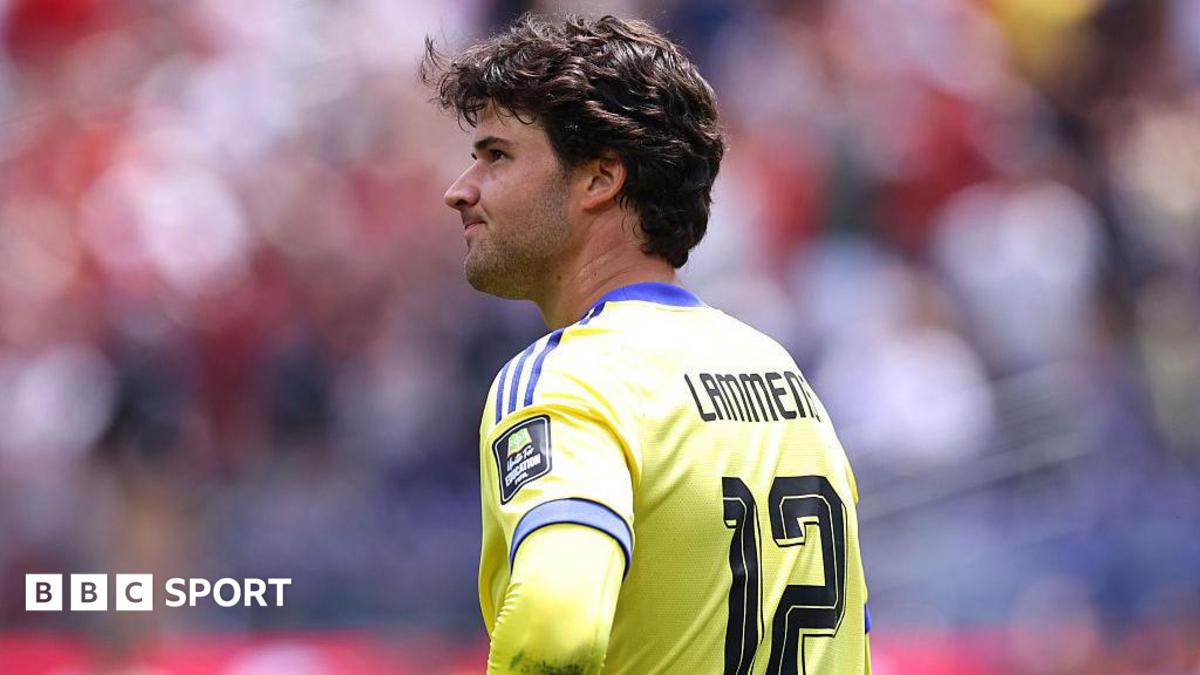
Tom Heaton recently weighed in on the plight of Senne Lammens, framing the young goalkeeper’s World Cup disappointment as a formative moment. It is an easy narrative to sell, but the technical reality of the situation at Old Trafford is thornier. Being omitted from a major tournament squad is not just a psychological test; it is a signal of where a player sits in the hierarchy of modern shot-stopping.
Lammens has spent the better part of the last calendar year operating in a vacuum of competitive minutes. When your development is stalled by the decision to keep two veterans ahead of you, the technical degradation is inevitable. Heaton’s defense of his younger teammate sounds like the standard locker room loyalty that mid-season interviews are built upon. Yet, beneath that surface, there is the undeniable truth that Lammens lacks the high-leverage samples scouts crave.
Benchmark performance vs coaching confidence
We see this trend throughout the league, where clubs struggle to balance the need for veteran stability with the necessity of testing youth output. Much like how Alibaba just changed the math on open-weight scaling by throwing massive dense compute at Qwen 3.8, Manchester United’s goalkeeping strategy feels like a brute-force adherence to internal hierarchies. They are betting on experience at the expense of high-ceiling experimentation.
The risk here is visible in the metrics. For a keeper like Lammens, the absence of match data creates a blind spot for recruitment scouts. If a player cannot prove their worth in the 90th minute of a tight knockout tie, they become a liability in the transfer market. We have seen Moonshot K3 forcing a reckoning with our benchmark reliance in tech, and football clubs are similarly trapped by their own performance dashboards. If the data says a player isn't elite, coaching staffs are terrified to defy those numbers on the pitch.
The technical flaw in the rotation
Heaton speaks of strength, but the tactical reality is that Lammens is missing the specific reps required for his distribution proficiency. Modern goalkeeping is now 70% footwork and 30% shot-stopping. When you put a keeper in the freezer for months, that rhythm vanishes. This isn't about character; it is about the physics of the game.
There is a recurring issue with how top-six clubs manage secondary keepers. They keep them around for safe keeping, yet they never provide the high-pressure environments needed to prove their growth. Lammens is currently an asset that is depreciating rapidly because he isn't being allowed to fail in front of a crowd. Missing a World Cup selection is a wake-up call, but the real wake-up call should happen in the executive suite regarding squad utilization.
Why the gamble might backfire
If Lammens doesn't get a loan move, we are looking at a classic sunk-cost fallacy. United has invested in the talent, but they are terrified to trigger the release clause of consistency. The club is holding onto an asset in the hopes that he magically develops during zero minutes of competitive action. It defies the logic of peak performance cycles we see in other industries.
The frustration for fans is that we hear these platitudes annually. While Heaton is right about the potential for growth, the institutional barriers to that growth are higher than they have been in a decade. Unless the coaching staff commits to a 5-match stretch of proper evaluation, Lammens will remain a mystery. The tragedy is that we might never know if he was the answer until he is playing for someone else at a fraction of their potential investment.
adidas Starlancer Club Soccer Ball
A durable, high-visibility training ball for every surface.
Frequently Asked Questions
Why is Senne Lammens struggling to develop at Manchester United?
What is the primary tactical issue with Manchester United’s goalkeeper rotation?
How does a lack of match data impact a goalkeeper's career?
What does Tom Heaton think about Lammens' World Cup snub?
Why does the article argue that Lammens needs a loan move?
More Coverage

Arsenal face Leeds with Arteta locked in and a point to prove
1 week, 4 days ago
Why Tottenham Are Screwed and Man City's Perfect Start Means Nothing
1 week, 4 days ago
Tottenham are stuck at the bottom and history says they should panic
1 week, 4 days ago
Top 10: World Football's Biggest Storylines, Scandals, and Shocks of 2026
1 week, 5 days ago
Why Martin Odegaard and Premier League Stars Are Obsessed With VR
1 week, 5 days ago
Max Dowman suffers Arsenal injury scare on England duty
1 week, 6 days agoMore Analysis

Édouard Mendy was right about the Champions League and Afcon
3 weeks, 5 days ago
Aston Villa just signed Europe's most unique goalkeeper in Zion Suzuki
1 month, 4 weeks ago
Rangers' rejected £7.5m Cozier-Duberry bid shows a club losing its head
2 months ago
Why Premier League heavyweights are raiding League One for 18-year-olds
2 months ago
How Michael Carrick is quietly rebuilding Man United's midfield for £83m
2 months, 1 week ago