The penalty drama that has Scotland burning
If you were anywhere near a pub in Glasgow or a fan forum this afternoon, you probably felt the heat radiating off the screen. Scotland just dropped a result to Morocco in Boston, and the discourse isn’t about tactical nuance or defensive breakdowns. It’s all about the whistle, or more accurately, the lack thereof.
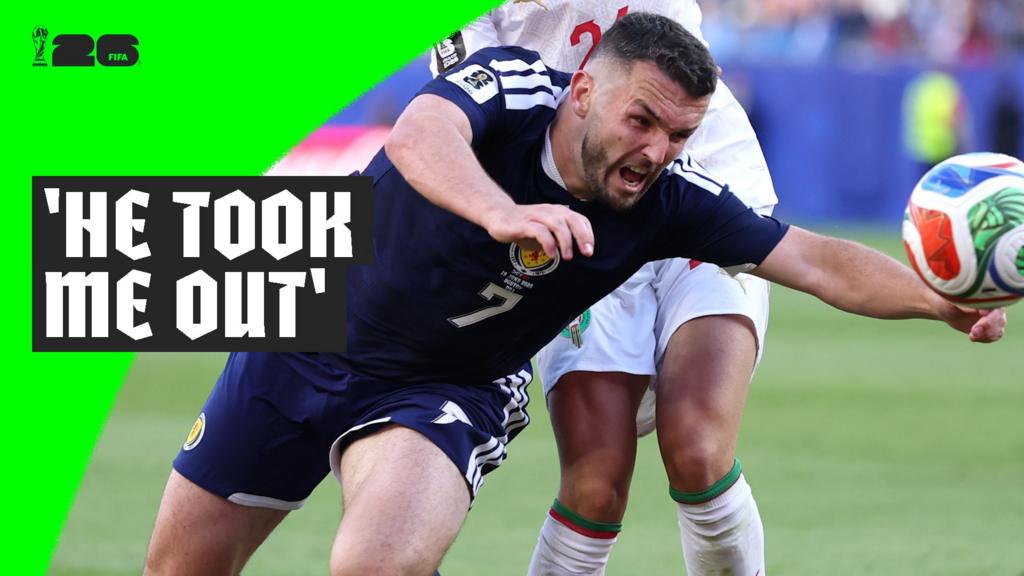
John McGinn is currently living in his own personal version of hell after being denied a spot-kick in the second half. Most of the Tartan Army is convinced that Morocco got away with an absolute heist in Group C play. When your captain feels like he’s been mugged in broad daylight, it usually turns into a week-long news cycle.
The digital courtroom is in session
The sentiment online is split right down the middle, perfectly mirroring the kind of tribal chaos that makes international football unbearable and wonderful all at once. Half the comments section is ready to storm the referee’s hotel, while the other side is busy posting GIFs of guys stumbling over their own laces.
One user on a major soccer sub noted that if the contact happens in the Premier League, it’s a decision that gets checked for 3 minutes before they inevitably flip a coin. Another cynic hit back, claiming that Scotland spent so much time looking for the contact they forgot to actually play the game of football. It’s the classic dilemma of modern officiating—if you play for the foul, do you deserve the sympathy when it doesn't get called?
Morocco 'got away with one' - John McGinn
McGinn isn't holding back, and frankly, why should he? When you are grinding out a high-stakes match in a neutral zone and feel the officiating is swaying the outcome, you speak your truth. The man is clearly frustrated, and the footage of his post-match reaction shows a player who feels like the rug was pulled out from under him.
Why this matters beyond the final whistle
This isn't just about a missed call in a vacuum. It’s about the optics of a World Cup group stage where every fractional error feels like a death sentence. When Scott McTominay also ends up on the wrong side of a non-call, the fan base isn't going to just chalk it up to bad luck.
The conspiracy theorists are already out in full force. Some are suggesting that the officiating crews seem to have a blind spot for certain teams, but that’s the kind of talk that usually ends with a ban from the subreddit. The reality is much simpler: refs are human, they miss things, and sometimes the big calls go south in the most painful way possible.
The verdict from the cheap seats
If I’m putting my money on which side has the actual argument here, it’s the Scotland camp. Watching the replay, McGinn’s frustration is legitimate. It’s not just one isolated incident, either. When you look at the sequence as a whole, it feels like the officiating team simply didn't want to insert themselves into the game, which is a noble intention until they actually need to do their job.
However, the real failure here is our collective obsession with perfection in a sport that has historically been defined by its imperfections. We want the technology to catch everything, but when it doesn't, we lose our minds. It makes for great content and high-strung threads, but it’s making the actual viewing experience feel like a chore.
Let’s call it what it was: a rugged, ugly game that should have been decided by a moment of individual brilliance rather than a debate over a missed penalty check. Scotland is going to hold this bitter taste for a few days, and honestly, they deserve to complain. Even if they played perfectly for 90 minutes, they would still be talking about that missed call at the bar tonight.
At the end of the day, international football is built on these kinds of injustices. We thrive on the drama, the anger, and the feeling that the world is out to get our squad. Scotland has the right to be furious, but now they have to pivot or they’re going home early. If they spend the next three days complaining to the authorities rather than fixing their own tempo, that’s on them.