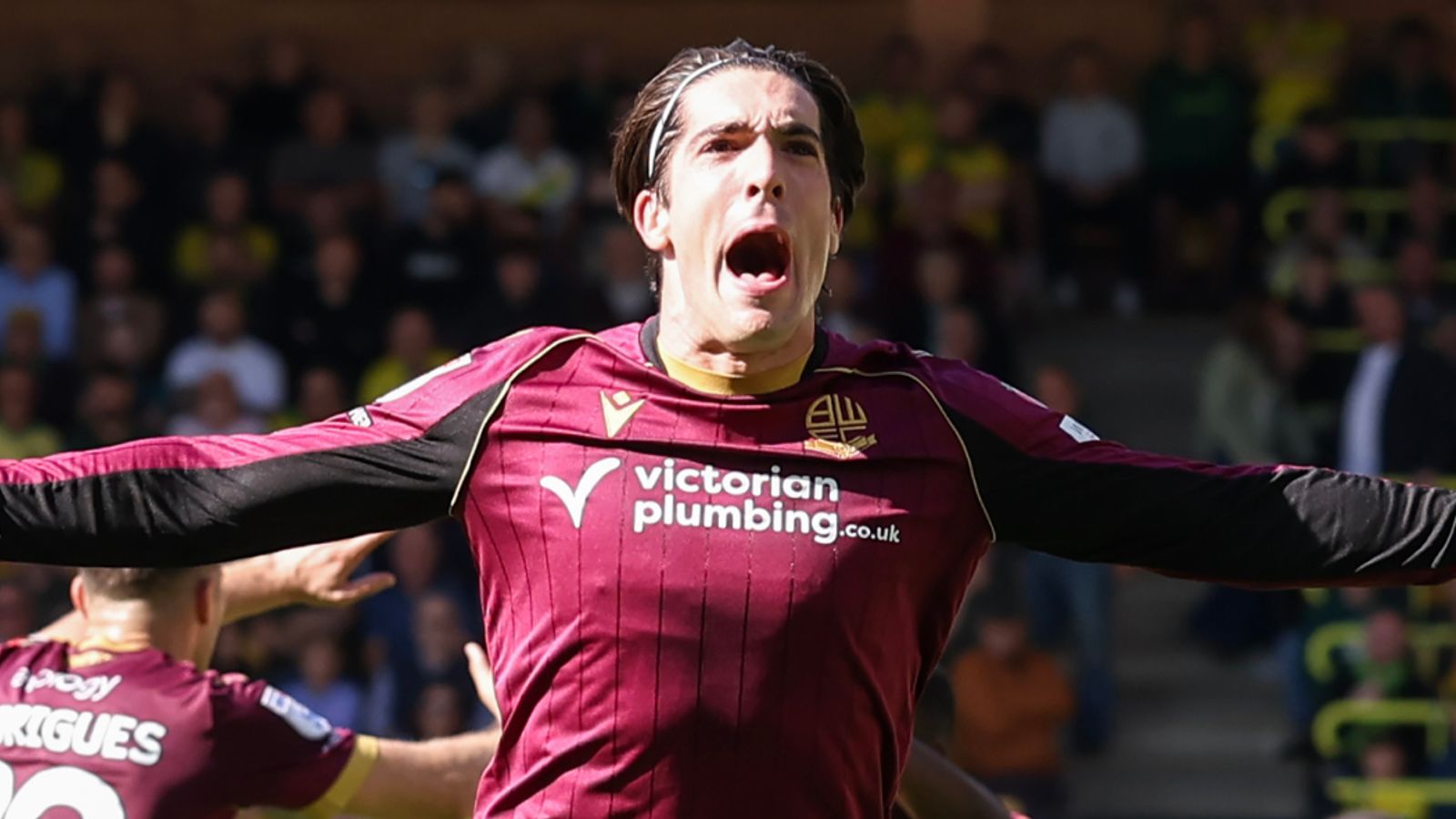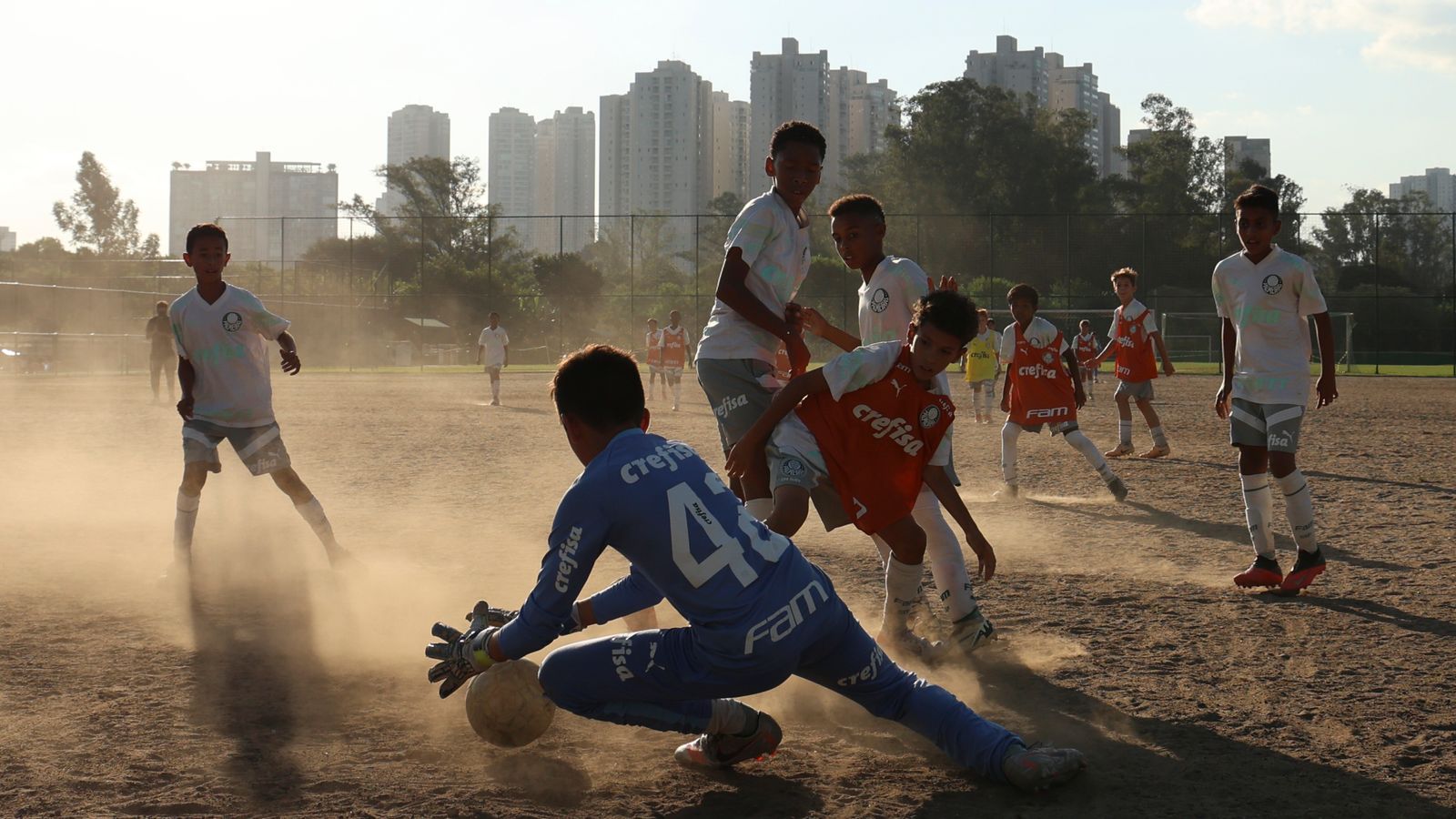
The raw ingredients of a wonderkid
In the concrete lungs of Brazil's largest city, the production of world-class footballers remains a chaotic, brutal meritocracy. The varzea culture—amateur, high-stakes, dust-bowl football—is where the current generation of Brazilian exports finds its edge. While European academies prioritize sterile possession drills and tactical rigidness, Sao Paulo feeds off the unpredictability of uneven pitches and cynical veterans who kick back.
Tactical friction in professional development
Europe’s elite clubs treat Brazilian youth like processed goods, forgetting that much of what makes these players lethal is the lack of structured intervention early on. As reported by Sky Sports, the transition from these unrefined environments to the rigid demands of a Premier League or La Liga manager often creates a performance ceiling. Scouts are no longer just looking at highlight reels; they are evaluating psychological resilience in games where a foul at the 12th minute dictates the tenor of the next hour.
The issue often arises when coaches attempt to coach the instinct out of these players. By forcing an aggressive dribbler into a 4-3-3 holding role too early, clubs essentially lobotomize the very traits that scouts paid 50 million euros to acquire. It is a recurring failure in modern recruitment: buying a Ferrari and complaining it cannot haul lumber.
The cost of standardizing genius
There is a dangerous trend favoring safety over flair. During the 2026 World Cup cycle, the emphasis on xG and defensive spacing has led to a stifling effect on individual expression. If a team registers an xG of 2.1 but relies on a low block to force errors, they are statistically sound but aesthetically bankrupt.
We have seen this play out in recent cup fixtures where the pursuit of clean sheets outweighs the necessity of individual brilliance. Fans demanding high-octane football are often met with methodical, sideways passing patterns that do nothing to unlock a compact 4-4-2 defensive shape. It is a tactical stalemate masquerading as professional maturity.
Looking toward the next breakthrough
The next wave of talent leaving Sao Paulo will likely face the same scrutiny regarding tactical discipline. If these players fail, it will rarely be due to a lack of technical quality; it will be an inability to adapt to institutional demands that punish risk-taking. The transition requires a better bridge between the chaos of the streets and the precision of a professional scout.
My prediction for the summer window is that we will see a trend of "over-coaching" signings, leading to at least three high-profile disappointments. Clubs will panic, fire their scouts, and return to the cycle of blaming the market rather than their own inability to utilize a player's natural profile. The data is clear: talent like this needs air to breathe, not a spreadsheet-defined tactical cage.
Read Next
- Why Antoine Semenyo is Ghana's secret weapon against England
- France showed zero mercy to Iraq despite the Philadelphia weather delay
- Tottenham's pursuit of Dubravka reveals deeper issues in north London
- Jack Wilshere is delusional if he thinks Tuchel is an England savior
- 🇱🇷 Brasileirão Série A 2026 — Flamengo, Palmeiras & Brazil WC2026 Hub