Tactical dominance through positional discipline
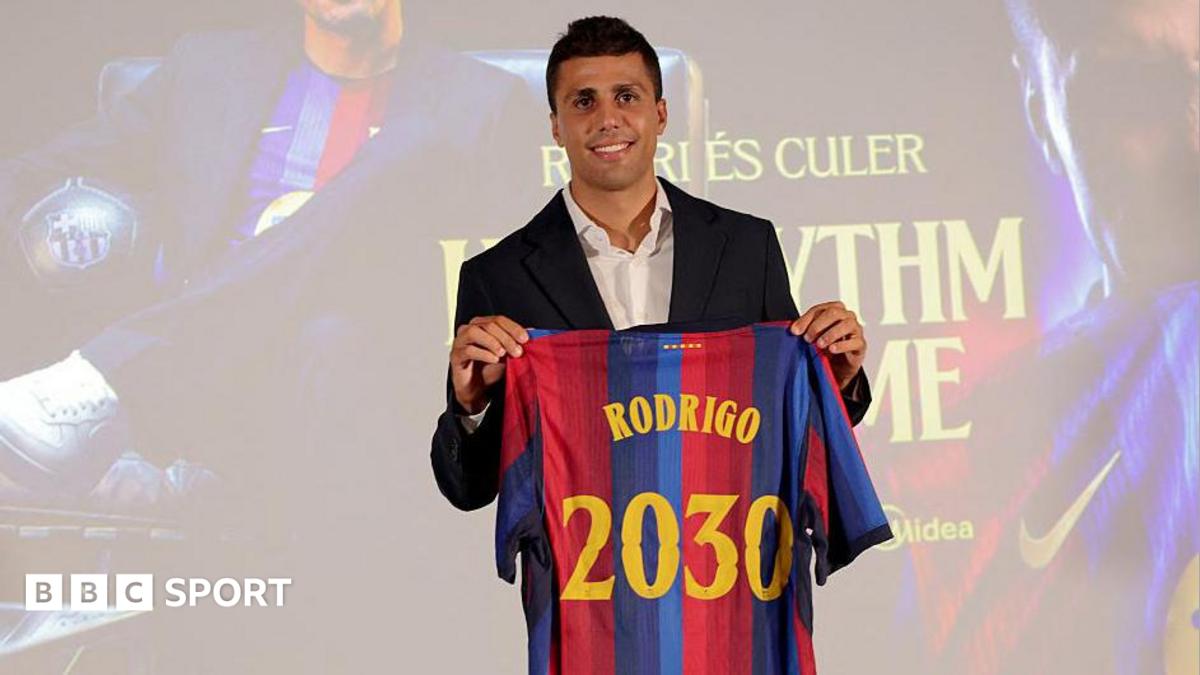
Watching Rodri control a tempo is different from watching other defensive midfielders. While most players in his role are preoccupied with simple destruction or basic recycling, Rodri acts as the primary architect for Manchester City and the Spanish national team. His World Cup performance was the definitive performance of his career. He dictates the geometry of the pitch by positioning himself in the exact space opponents vacate when they commit to a press.
The data from his recent tournament performance reveals a success rate of 94 percent on short-range passes. That is not just efficiency; it is institutional safety. By refusing to force a difficult ball into the final third, he prevents the high-turnover scenarios that often lead to counter-attacks against his side. His defensive contribution is equally precise. He averages 3.2 interceptions per match, often anticipating the pass before the opposing winger has even initiated their movement.
The evolution of the anchor role
Modern tactics prioritize the inverted fullback, but Rodri thrives because he plays the classic pivot role with a modern, high-intensity intelligence. He isn't rushing into challenges; he is shielding the center backs with a constant, scanning presence. This consistency allows teammates like Kevin De Bruyne or Bernardo Silva to gamble on riskier vertical actions. Without Rodri holding the defensive line of the midfield, their transition game would lose its primary safety valve.
However, the workload is becoming a legitimate concern for his long-term health. A player who logs this many minutes, as documented in recent analysis regarding City's squad depth, is constantly one heavy landing away from a serious injury. Reliance on a single pivot for 50-plus matches a season is a tactical gamble that even Pep Guardiola might eventually regret. If City fails to rotate him effectively by mid-winter, their xG against will inevitably rise as he loses those half-seconds of recovery pace.
Predicting the impact on the domestic season
The resilience noted following his international success suggests he is entering his prime. Physically, he has the frame to dominate duels, but it is the mental clarity he displays in the 85th minute that separates him from the rest of the league. Most players fatigue mentally; Rodri tracks runners and manages the space with the same rigor he applies at kickoff.
Looking ahead, Manchester City will again center their build-up play through him. I expect his assist numbers from deep-lying positions to increase as teams drop lower to block cross-field balls. My prediction is that Rodri will play over 4,000 minutes this coming year across all competitions, setting a new benchmark for endurance in the modern game. While the risk of burnout is high, his current tactical output is sustainable enough to keep the engine room firing through the end of the term.
Read Next
- Rodri injury scare looms as Spain’s World Cup celebrations begin
- Lisandro Martinez's injury casts a shadow over Manchester United's defense
- Spain's 2026 World Cup win wasn't just flair, it was arithmetic
- Villa spending 38 million on Joao Gomes tells you everything
- 🇪🇸 Spain World Cup 2026 — La Roja Hub