
The reset button hits English football
As the international spectacle in North America draws to a close this Sunday in New Jersey, global eyes pivot back to the grind. The 2026 World Cup has left squads fractured, fatigued, and mid-overhaul for the pending domestic restart.
The hierarchy of English football remains fluid, influenced heavily by the performance of stars on the world stage. Some clubs are nursing bruised egos, while others are integrating new tactical identities before the opening whistle.
1. Manchester City
Pep Guardiola’s machine remains the benchmark. Despite persistent pursuit of external attacking options, including recent reporting on Julian Alvarez's future, the core group is unmatched in tactical discipline. Their ability to integrate players post-tournament determines their ceiling.
City rely on depth that no other club possesses. If Erling Haaland returns with his physical peak intact, the title is arguably theirs to lose again. However, international hangovers have historically slowed their August momentum.
2. Liverpool
The post-Klopp adjustments remain a subplot, yet the squad retains its predatory instinct. Arne Slot faces a mid-summer scrutiny that often defines early title races. Their squad management post-tournament will likely decide if they can sustain a deep push.
Defensive transition remains the primary concern for the Anfield faithful. They must shore up gaps that elite opponents exploit during fast breaks. Expect a high-octane offensive start, provided the press holds steady.
3. Arsenal
Mikel Arteta has built a tactical monolith that thrives on consistency. They have the most settled starting XI in the league. The challenge is psychological: can they finally clear the final hurdle against the heavyweights?
Their biggest weakness is a lack of rotation options when the fixture list congests. If a key pivot midfielder goes down, the structure often looks precarious. Reliability is their greatest strength and their potential downfall.
4. Chelsea
The Blues are undergoing an internal audit of their transfer policy. Excessive volume of signings creates too many voices in the dressing room. Success depends on streamlining the squad before the window slams shut.
Tactically, the manager needs the backline to stabilize quickly. Shipping soft goals has been a recurring failure in friendly matches. They possess individual brilliance but lack a collective pulse.
5. Tottenham
Ange Postecoglou remains committed to an expansive, high-risk philosophy. It produces thrillers, but it leaves the defense exposed against organized counter-attacks. They are the most entertaining team to watch, for better or worse.
Consistency at home has plummeted over the last six months. They need to turn the stadium back into a fortress to challenge the top four. Too many dropped points against bottom-half sides derailed their last campaign.
6. Newcastle United
Eddie Howe has managed expectations well despite limited resources compared to the incumbents. They are a physical, abrasive team that grinds results out of opponents. The return of key figures from long-term injury mid-season is their biggest asset.
However, the lack of significant reinforcements this summer is a cause for local concern. If the squad remains stagnant, exhaustion could set in by November. They need to find a new gear to compete for European spots.
7. Nottingham Forest
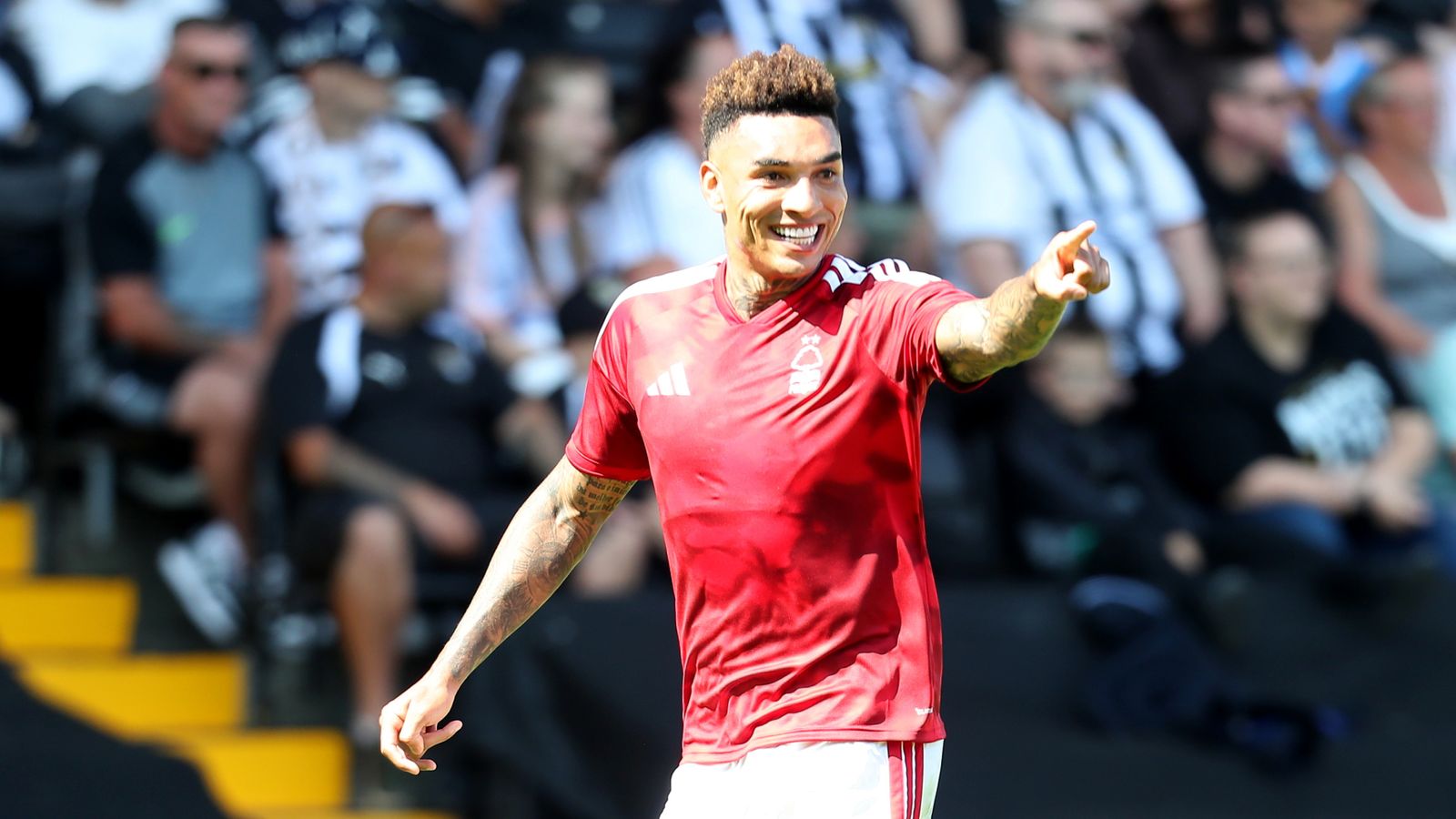
The performance under Nuno Espirito Santo has been promising, specifically regarding the recent friendly victories. They appear more disciplined than in previous seasons. Stability is finally replacing the chaos that once defined their recruitment.
They must ensure the defensive transition doesn't collapse against top-six speed. Mid-table security is the goal, but they show flashes of being a spoiler. Their ability to hold leads is the measure of their growth.
8. Manchester United
The internal pressure at Old Trafford is once again reaching a crescendo before a ball is kicked. Squad turnover has been high, leading to a disconnect in style of play during the opening weeks of training. They are a team in flux.
Defensive lapses occurred frequently during the preseason matches in the US. If they cannot resolve the midfield shielding issues, they will remain sixth-to-eighth place fodder. Patience from the ownership is reportedly non-existent.
9. Aston Villa
Unai Emery’s system demands high intelligence from every position. They punched significantly above their weight class last season, but repeating that feat with European fatigue is difficult. They are a tactically rigid outfit.
The reliance on a specific high-line formation is a gamble that risks humiliation against quick wingers. Teams have adjusted to their offside trap over the last four months. They need a variant in their approach to survive.
10. West Ham United
Julen Lopetegui has inherited a squad that is talented but seemingly adrift. The morale in the dressing room is vital to keep the fans from turning. They must find an identity beyond just soaking up pressure and launching long balls.
Individual errors cost them in critical stretches last time around. The focus has been correcting the shape. If they improve, they could nudge toward Europe, but the current outlook is mediocre.
The Big Picture
The league returns as a high-stakes environment where internal squad harmony often outweighs raw transfer spending. As noted by recent reporting on World Cup attrition, the recovery of international starters will define the first five match-weeks. Clubs that successfully manage the physical load will gain an 8-point buffer over the pack.
Honorable Mentions
Brighton appears ready to surprise again despite losing their manager to a continental giant. Crystal Palace remains a dangerous prospect if they can hold onto their academy graduates throughout August. Fulham provides a steady, albeit unglamorous, baseline that keeps them safe from the drop.


