The transition from Etihad dominance to Mediterranean tactical intrigue
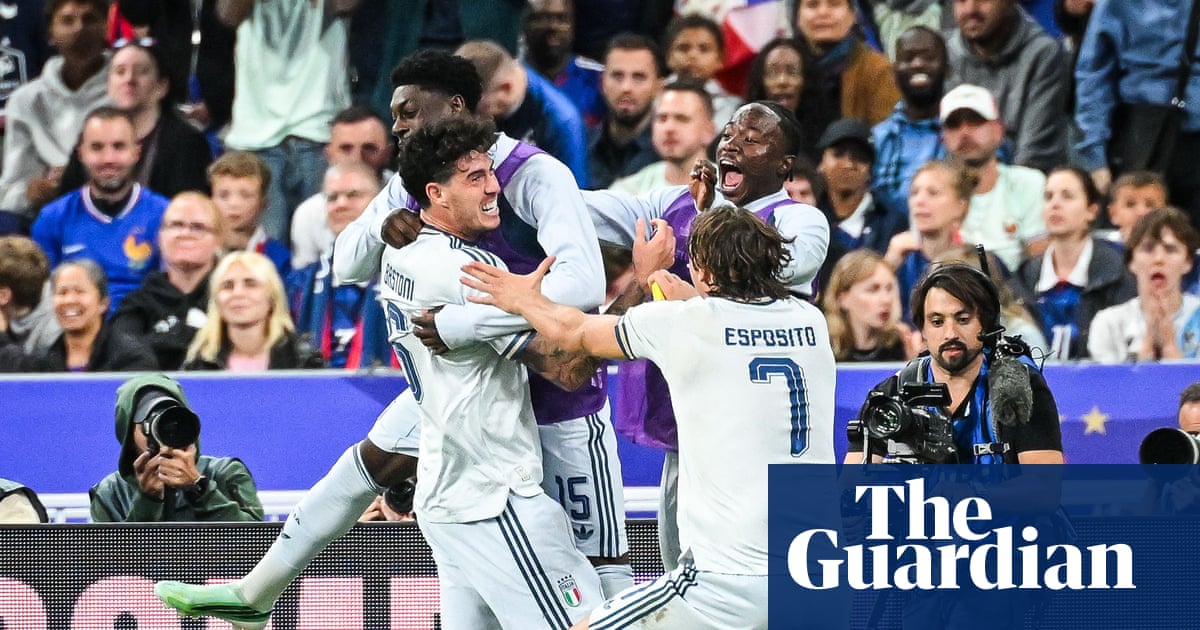
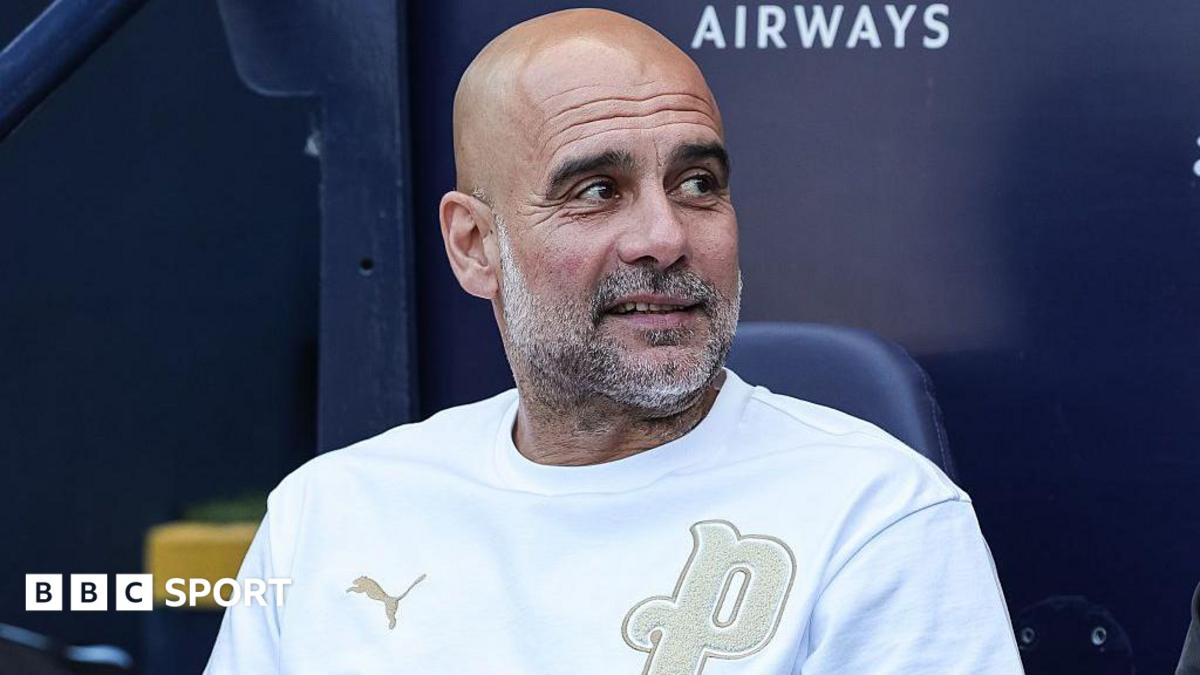
The news breaking this week concerning Pep Guardiola and the Italian national team vacancy feels less like a managerial appointment and more like a fever dream for Serie A purists. Following a trophy-laden tenure at Manchester City, the prospect of Guardiola directing the Azzurri is a jarring shift. His tactical identity relies on high-possession sequences that demand months of repetition. International football, by contrast, offers windows of only a few days to implement complex pressing triggers.
Why the math of international management works against him
Guardiola is a manager who demands total control over his roster’s movement. At the club level, he has the luxury of daily training sessions to iron out the space between his defensive line and the holding midfielder. In the international setup, the training time is halved. The results are often messy for managers who rely heavily on rigid schematic structures. Looking at his career, even the most talented squads struggle to adapt to his philosophy if they aren't provided with 300 plus days of annual drilling.
Italy sits at a crossroads. The squad requires a pragmatic rebuild to fix structural vulnerabilities in transition moments. Guardiola, however, ignores pragmatism in favor of total dominance. While his fluency in the language is a massive asset, it does not solve the underlying issue of player recruitment. Is he going to force a 3-2-2-3 build-up structure on a crop of defenders who are fundamentally coached to protect space rather than invade it?
The danger of a high-profile mismatch
This pursuit reminds me of the recent reports regarding Pep's potential availability. It reeks of a federation looking for a savior rather than a system. When managers of this pedigree enter the international arena, the disconnect between expectations and reality usually arrives before the first qualifying match. We saw this with previous high-profile, possession-heavy managers who failed to pivot when their primary rhythm was disrupted by compact, low-block defensive units.
There is also the matter of player profiles. Italy lacks the specific personnel required to execute the inverted full-back roles that defined Guardiola's City success. Asking Giovanni Di Lorenzo or similar defensive-minded full-backs to operate as auxiliary midfielders is a recipe for defensive exhaustion. In the 18% of games where he has been forced to deviate from his standard shape, Guardiola has looked uncomfortable. If he cannot dictate the tempo of possession early, his teams often lack a secondary tactical gear.
The verdict on this potential move
If Italy signs him, they are buying a brand, not a solution for their current squad depth. I expect this would end in a resignation within two years, likely after a disappointing tournament showing where the players ultimately prioritize defensive solidity over the manager’s preference for passing patterns. The yearly salary demand alone will consume the federation’s budget, potentially stalling broader development projects in the lower youth tiers. It is a win-now move that ignores the long-term necessity of a disciplined, defensive-first overhaul of the Italian scouting network.
My prediction: Guardiola stays in the private sector. The friction of the international game, combined with the lack of elite transfer liquidity to solve positional gaps, makes this a sub-optimal choice for both parties. He needs a blank check and a training ground; Italy needs to be a team that can defend for 90 minutes. They are on different tracks.