The August Crucible: Shaping Ambition and Error
August 05 often serves as the final warning shot before the rigors of a full campaign begin. It is a date where the optimism of a fresh start collides with the harsh reality of administrative oversight and tactical limitations. In the mid-summer haze, the lessons of history are rarely heeded by those in the boardroom.
1972: The End of an Era at Crystal Palace
On this day in 1972, the storied reign of Bert Head at Crystal Palace finally sputtered to a halt. Head had guided the Eagles to the top flight for the first time in their history three years prior, a feat that felt like a localized miracle in South London. By the summer of 1972, the magic had long since evaporated into a fog of stagnation and missed opportunities.
His departure signaled the inevitable decay that follows a team overstaying its welcome in a division it was never truly built to sustain. The club’s board failed to provide the necessary rejuvenation, leaving a squad that had once punched above its weight to settle into a slow, downward spiral. It is a cautionary tale of how quickly institutional exhaustion can dismantle the hard-earned gains of a provincial club.
2005: The Birth of a Dutch Contingent in North London
Arsenal secured the signature of Robin van Persie in the preceding year, but August 05, 2005, marked the moment the Dutch influence at Highbury truly took hold in the minds of the fans. The club’s ability to scout beyond the traditional markets allowed them to find technical brilliance where others saw only raw potential. Arsène Wenger operated with a cold, analytical eye that disregarded the conventional wisdom of his peers.
While this move was hailed as a masterstroke in vision, it also underscored a growing issue. The reliance on young, high-ceiling talents eventually came at the cost of physical resilience and veteran leadership. This specific obsession with project players meant that when injuries mounted, the drop-off in output was absolute.
2011: The Financial Chasm Widens
The summer of 2011 was defined by a shift in how Premier League squads were valued, and August 05 saw the culmination of several frantic deals. Clubs were beginning to treat recruitment as a form of high-stakes gambling rather than careful team building. As The Guardian reported, the total spend across the division was ballooning into figures that made traditional budgeting look like an afterthought.
This period of profligacy was a precursor to the modern era of state-owned entities and private equity influence. It turned the mid-table into a graveyard for clubs that dared to spend beyond their actual revenue streams. The reckless pursuit of a higher finish frequently resulted in long-term debt that crippled smaller outfits for a decade.
2014: The Tactical Shift in Milan
In 2014, the Italian game was in the midst of a painful identity crisis, and on this day, internal power structures at AC Milan were being overhauled. The hierarchy had spent months debating the merits of a total rebuild, but the hesitancy on display was palpable to everyone following Serie A. Milan was struggling to reconcile its illustrious history with the fiscal limitations of the post-Berlusconi era.
The lack of a coherent plan resulted in a series of disjointed managerial appointments that ultimately set the club back years. They were trying to chase the ghosts of 1990s dominance with a 2014 wallet. The resulting seasons were defined by mediocrity, proving that historical prestige is no shield against sustained organizational failure.
2017: The Neymar Effect Ripple
By August 05, 2017, the football world was still reeling from the shockwaves caused by the movement of Neymar Jr. to Paris. The fee, which reached an astonishing 222,000,000 euros, effectively broke the transfer market and rendered previous valuation models obsolete. This was not merely a transfer; it was a geopolitical signal that clubs were no longer just sports teams, but vehicles for massive soft-power projection.
The ripple effect was felt by every side looking to fill a vacancy, as selling clubs immediately hiked their asking prices to reflect the new reality. Smaller teams found it increasingly impossible to compete for talent, leading to a consolidation of quality among a select few. As The Ringer noted, the gap between the elite and the rest has only widened since that fateful August weekend.
2022: The Deadline Pressure
On August 05, 2022, the frantic nature of the late summer window was on full display as clubs scrambled to finalize their rosters before the opening weekend. Decisions made in the final days of the window are rarely the product of long-term strategy. Instead, they are panicked responses to the failures of the previous month.
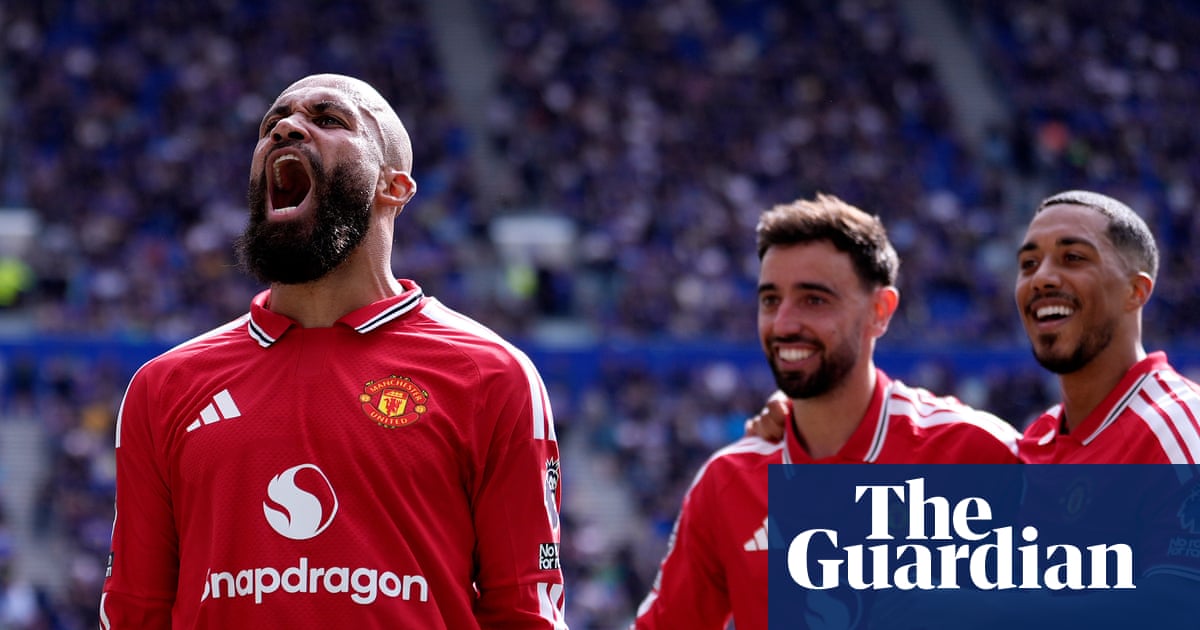
Manchester United’s erratic pursuit of players during this specific period showcased a total lack of cohesion at the executive level. Buying players without a clear tactical fit simply to show the fans that the club is active is a recipe for disaster. History has taught us that the most successful moves are completed early in the window, away from the glare of last-minute headlines.
A Pattern of Inconsistency
When you look across the decades on this date, a clear trend emerges. The teams that succeed are those that treat their scouting and personnel decisions as a long-term investment. Those that react to the pressure of the calendar, the anxiety of the media, or the temptation of quick fixes invariably end up in the same place: searching for answers in the ruins of their own mistakes.