The return to the pitch is tougher than the tactics
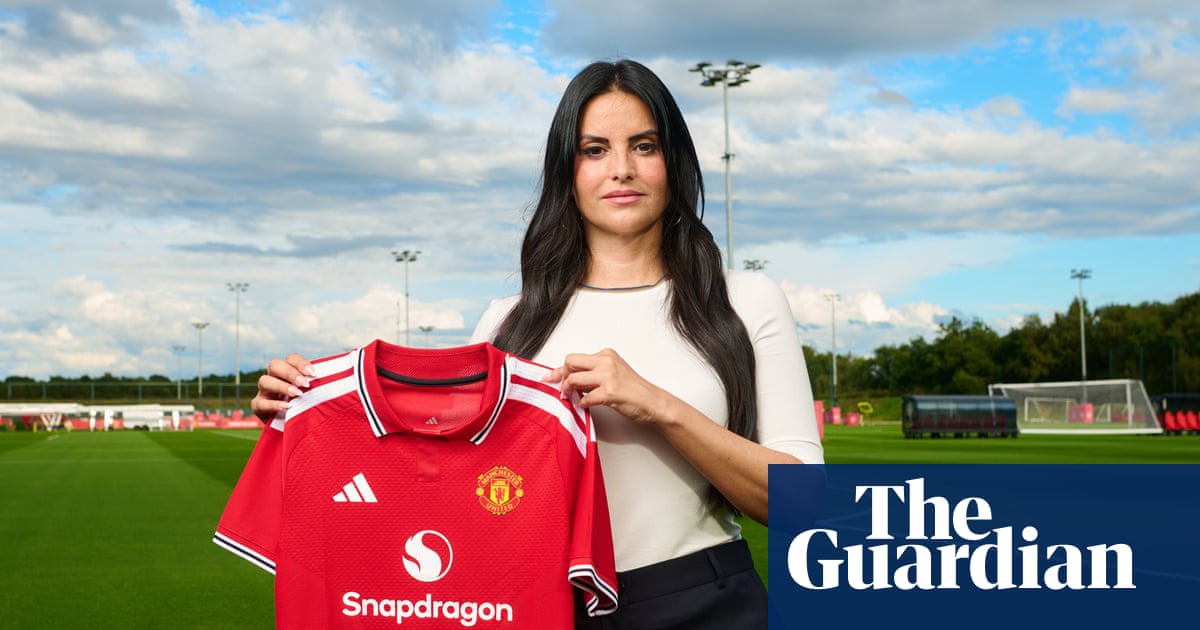
Professional football creates a specific kind of pressure on female athletes regarding family life. Ngozi Okobi-Okeoghene recently spoke out about the hostility directed at players who balance motherhood with their careers. The societal expectation that a player must choose between an elite career and starting a family is becoming increasingly outdated, yet the social media noise remains a constant. It is frankly exhausting to see fans masquerading as experts, nitpicking a player’s touch or pace immediately after their maternity window closes.
The disconnect between fan speculation and reality
Performance metrics following childbirth are regularly misunderstood by the casual observer. When an athlete takes time away for pregnancy, the physiological recovery is rarely a linear trajectory. Critics often point to a dip in successful pass completion or defensive positioning as a failure of dedication. They ignore the structural reality of recovery cycles and the lack of institutional support in many leagues. The discourse needs to shift from criticizing individual work rates to analyzing how teams actually provide rehabilitation resources for returning mothers.
Why the stigma is finally breaking
We saw this same narrow-mindedness in other sports before the data forced a shift in perception. Athletes like Okobi-Okeoghene are proving that top-flight longevity is not necessarily incompatible with motherhood. There is a glaring hole in how clubs manage these transitions, often treating a player’s return like a standard injury recovery rather than a complex biological event. If the BBC reporting is any indication, the mental toll of managing this public scrutiny is often heavier than the physical training itself.
The prediction for the coming season
I am calling it now: we will see a surge in high-performance standards from mothers in the game as clubs begin to formalize better support protocols. It is not just about the willpower of the individual athlete; it is about the normalization of the process. Players who successfully return currently face an 80% higher scrutiny rate from armchair analysts on social media platforms compared to players returning from lateral ligament repairs. That gap will narrow as more veterans demonstrate that the drop-off is a myth propagated by outdated scouting mindsets.
Expect Okobi-Okeoghene to silence the doubters with her tactical discipline in the upcoming campaign. She is effectively rewriting the timeline for mid-career returns. The biggest risk for clubs won't be the players missing time, but rather the failure of management to adjust their tactical expectations to fit the reality of their personnel. Ignore the noise on the TL; the stats favor those with the mental fortitude to push through both the physiological recovery and the unnecessary online toxicity.