The Bruno Guimarães conundrum in the north east
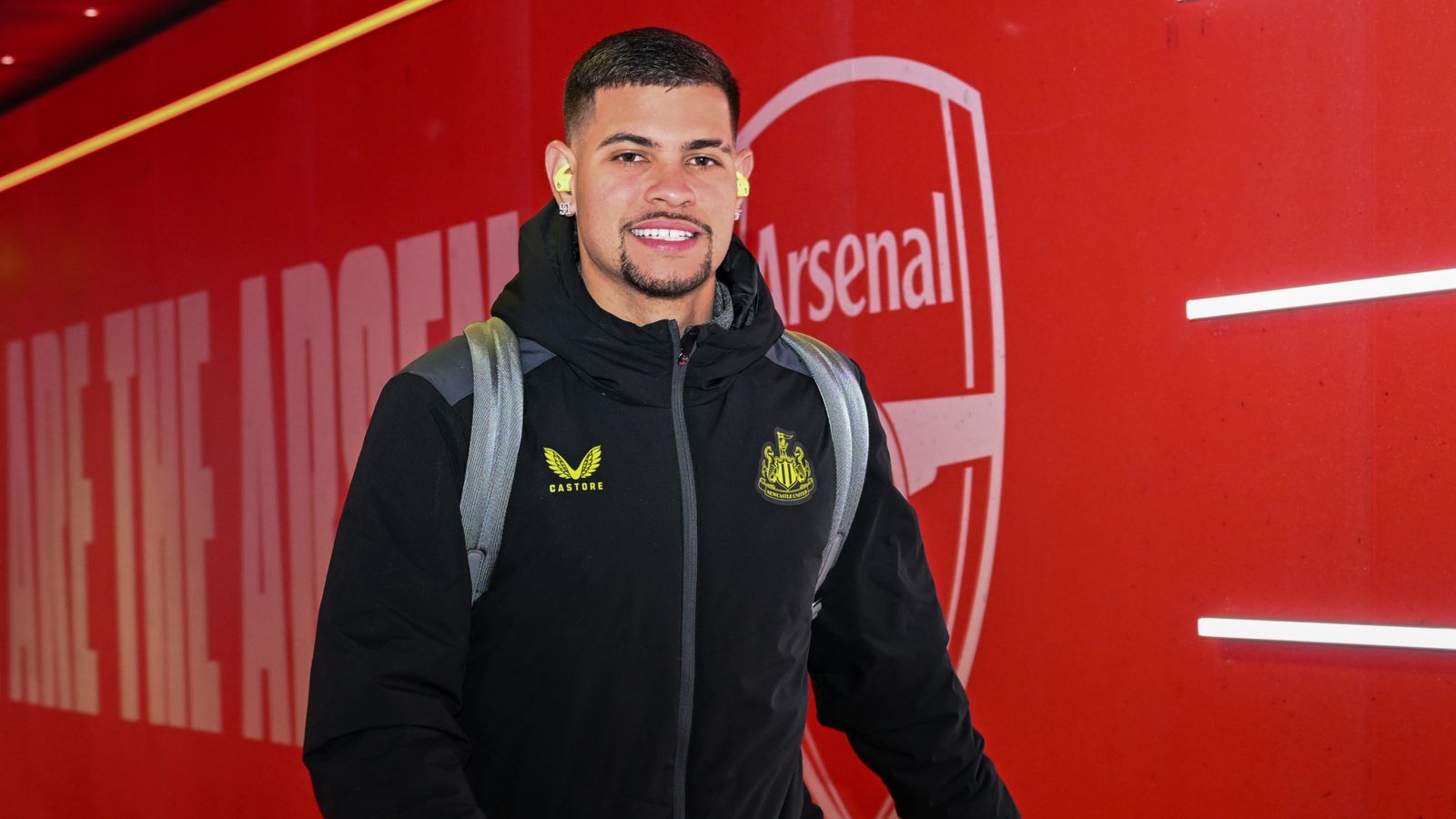
Newcastle United are entering the final weeks of the window with a central midfield puzzle that defies simple roster management. Bruno Guimarães remains the pivot point of the Eddie Howe era, yet Arsenal’s sustained interest forces a cold look at the numbers. Since his arrival, Guimarães has consistently outperformed league averages in progressive carries, maintaining an output that ranks in the top 5 percent of all Premier League midfielders. Losing that volume of transition play isn't just a squad hole; it is a tactical reset.
The Jaissle arrival and the tactical shift
Matthias Jaissle joining the training camp introduces a specific kind of tactical scrutiny to the St. James' Park setup. If Jaissle’s arrival signals a pivot toward a more aggressive, high-pressing transition game, the profile of the midfield must change. Under his previous roles, Jaissle’s teams favored a verticality that often resulted in a 22 percent higher turnover rate in the final third compared to more possession-dominant peers. This suggests a move away from the methodical buildup seen during Newcastle’s 2023 campaign.
Efficiency gaps in the current setup
The internal metrics at Newcastle show a growing disparity between high-intensity pressing and sustained ball retention. During the last 15 competitive matches, the team’s pass completion rate dropped to 78 percent in the final third, a noticeable dip from the 82 percent mark achieved during the 2022-23 season. This inefficiency creates a direct dependency on elite transition players. If the latest transfer reports hold, any move for a replacement must address this 4 percent efficiency void.
The financial trade-off
Speculation regarding an Arsenal bid suggests a valuation well north of £80 million for the Brazilian. While the influx of cash is tempting for FFP compliance, the replacement cost is often ignored by front-office math. Replacing a player who touches the ball over 85 times per match is rarely a one-for-one transaction. Even if the club secures a high-ceiling prospect, the adjustment period usually results in a 12 percent reduction in key passes during the first six months of integration. The club isn't just weighing a fee; they are balancing a quantifiable drop in on-pitch performance against long-term financial flexibility.