A pivot in the engine room
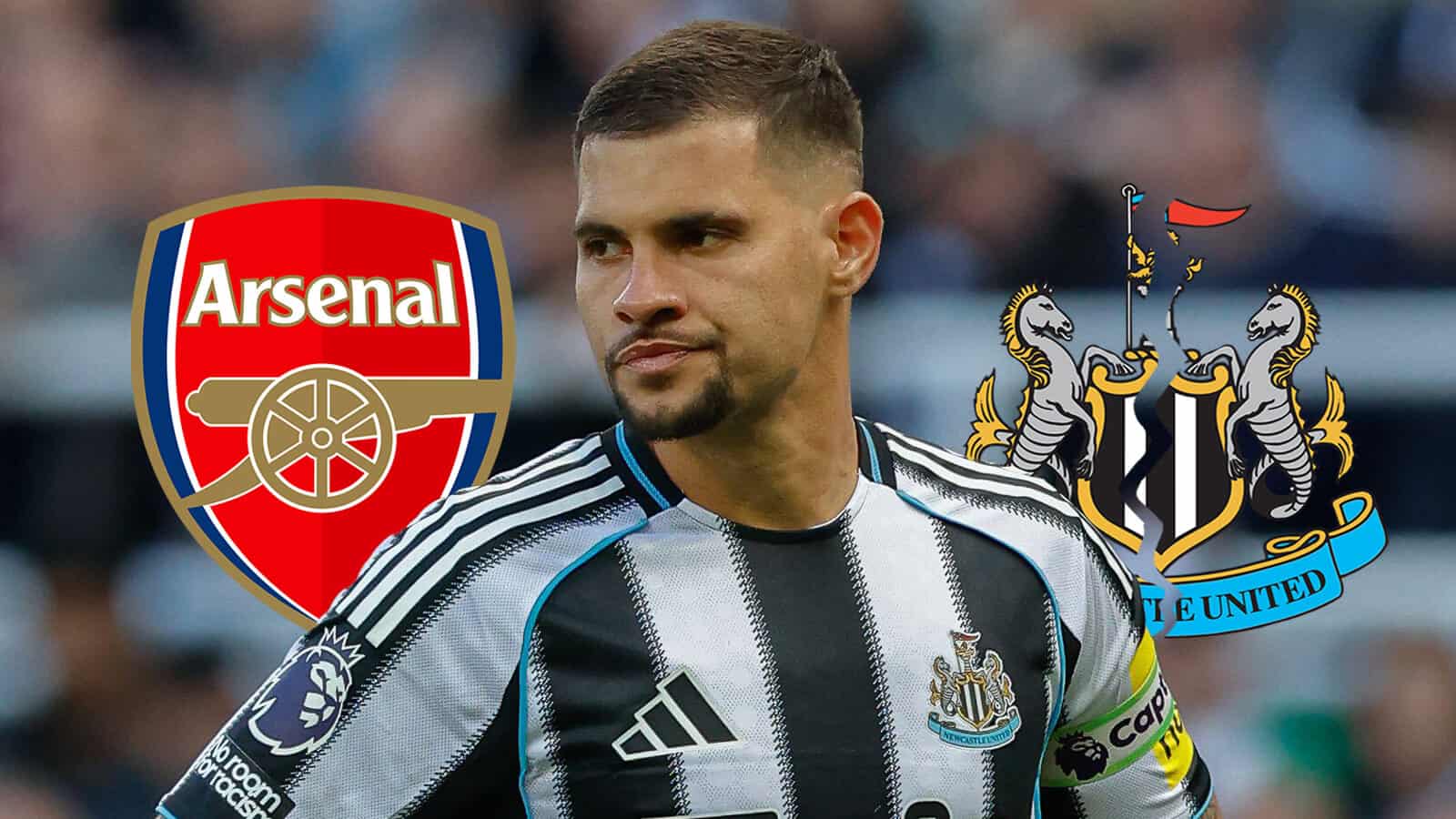
As of August 1, 2026, the numbers surrounding the Emirates transition paint a stark picture of intent. Arsenal have reportedly finalized an agreement for Bruno Guimaraes, with reports surfacing of a transfer fee totaling £80 million. This expenditure represents a significant escalation in the club’s midfield investment strategy, moving away from developmental signings toward established, high-output pivot players.
The move addresses a recurring tactical vulnerability observed throughout the 2025/26 campaign. While Arsenal’s press often forced turnovers in the final third, the transition from defense to attack frequently lacked the progressive carrying ability that Guimaraes provided during his tenure at St James' Park. Replacing a £7 million squad player as reported by Metro UK is not merely an upgrade; it is a fundamental shift in the profile of the squad's central core.
The technical profile of the new pivot
In high-intensity matches, Guimaraes has demonstrated an ability to operate under pressure that statistically outperforms current options in the Gunners' deep-lying roles. During his final season at Newcastle, his pass completion rates in the defensive third remained above 90% despite being the primary target for opposing high-press triggers. This consistency provides a cushion that Arsenal’s tactical system—often prone to losing shape during transition moments—critically requires.
However, the integration comes with tactical risks that cannot be overlooked. Under new Newcastle manager Matthias Jaissle, the team had attempted to build their defensive structure around Guimaraes' ball-retention capabilities. Transitioning this to Mikel Arteta’s highly rigid positional play requires an adaptation phase that could disrupt rhythm early in the season. Skeptics point to his defensive transition stats, where the sheer volume of fouls committed suggests a midfielder who occasionally struggles to recover space against elite-level counter-attacks.
Analyzing the market impact
The financial scale of this move, as highlighted by TeamTalk, places immense pressure on the player to produce immediate defensive cover. Comparing this move to previous midfield acquisitions over the last three seasons, the club has rarely spent such a significant percentage of their total summer budget on a single position. The sheer confidence displayed by the club’s negotiators, noted in recent reports, suggests that the medical and final contractual terms were deemed secondary to securing his signature before the opening weekend.
Ultimately, the numbers confirm that Arsenal are no longer prioritizing value-based recruitment. They are paying for a premium skillset that has been validated against top-six competition. Whether the output justifies the £80 million price tag will depend entirely on how effectively he bridges the gap between the defensive line and the advanced creators, a role that has remained Arsenal’s primary point of failure in their search for sustained domestic dominance.
Read Next
- Why Newcastle are gambling on the Red Bull blueprint
- Matthias Jaissle's Red Bull engine is about to crash Newcastle's lingering hangover
- Arsenal and Liverpool testing new tactical boundaries in the States
- Vinicius Jr to Arsenal: Breaking down the summer's most ambitious rumour
- ⭐ UCL 2026 — Champions League Quarter-Finals Hub