The St James' Park Reality Check
Pull up a stool, grab a lukewarm cider, and let's talk about the cold shower currently hitting Tyneside. If you told a Newcastle fan in the heady winter of 2023 that they would replace their crown jewels with an Eredivisie teenager, they would have laughed you out of the pub. Yet here we are on July 7, 2026, watching Eddie Howe assemble a high-end development squad.
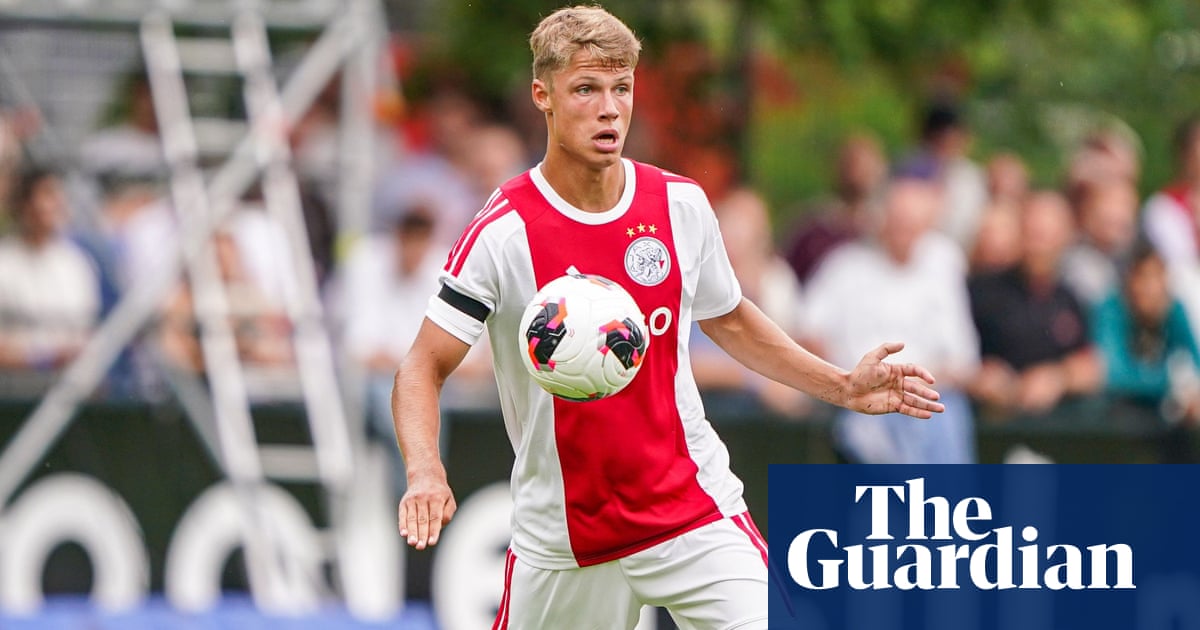
The news that Newcastle are finalizing a deal for Sean Steur from Ajax is a massive shift in strategy. According to The Guardian's transfer round-up, the club is ready to shell out £23m for the Dutch midfielder. That is serious money for an 18-year-old who still needs to show he can handle the physical gauntlet of the Premier League.
Let's not sugarcoat the context of this transfer. This is not a luxury signing made from a position of strength. It is a salvage operation following a bruising summer of departures.
The high-profile exits of Sandro Tonali and Anthony Gordon have left massive craters in Newcastle's starting lineup. The Saudi ownership group was supposed to bring unlimited funds, but the Premier League's financial watchdogs had other plans. Instead of bidding for superstars, Newcastle are scouting the Eredivisie youth ranks.
Fans are feeling the whiplash. The ambition has not died, but the timeline has been stretched thin. Newcastle must now buy low and hope for rapid development.
Who is Sean Steur and Why the Hype?
Ajax has a habit of producing midfielders who play like they have wing mirrors attached to their heads. Steur is the latest model off the De Toekomst conveyor belt. He is two-footed, comfortable in tight spaces, and possesses the kind of spatial awareness that makes opposition defensive midfielders look like they are running in quicksand.
The local scouts in Amsterdam have already tagged him as the next Frenkie de Jong. That comparison is both a blessing and a curse. De Jong is a generational controller who dictates the tempo of elite European matches.
Steur has the raw tools to mimic that style. His distribution is clean, his first touch is immaculate, and he can turn away from pressure with ease. But playing in the Dutch league is a world away from the weekly physical warfare of English football.
Ajax is losing a player they desperately wanted to keep. Their academy has been raided repeatedly by wealthier clubs over the last decade. Yet, the Amsterdam giants could not resist a bid of £23m for a player with minimal senior minutes.
It is a gamble for both sides. Ajax loses their brightest prospect, and Newcastle commits a significant chunk of their budget to potential rather than performance.
Is he ready for this? Probably not immediately. The leap in intensity will be jarring, and he will need time to adapt to the speed of transitions.
The Midfield Puzzle and the Gordon Exit
Replacing the Italian Engine
Eddie Howe faces a tactical headache of epic proportions. The departure of Sandro Tonali stripped Newcastle of their primary midfield engine. Tonali was meant to be the cornerstone of their modern era.
Without him, the midfield lacks bite and transition speed. Steur is not a direct replacement for Tonali's physical presence, but he offers a different kind of control.
Howe needs to reshape the entire tactical setup. The current roster lacks a progressive passer who can connect the defense to the attacking transition. Bruno Guimaraes has been carrying too much of the creative burden.
Opposing managers have figured this out, often deploying double teams to choke his supply lines. Steur could theoretically alleviate that pressure by providing a second outlet.
But relying on an 18-year-old to solve tactical deficiencies is incredibly risky. Premier League midfielders will smell blood. Players like Declan Rice or Rodri will look to bully the youngster off the ball.
Howe must shield Steur while simultaneously asking him to perform. It is a balancing act that has broken many young careers.
The Left-Wing Void
While the midfield needs fixing, the wings are also barren. The exit of Anthony Gordon has robbed Newcastle of their main attacking outlet. Gordon provided the direct, vertical running that defined Howe's best Newcastle teams.
He was the outlet card, the player who turned defensive possession into an immediate threat. Replacing that output is a massive task.
Steur's signing does nothing to address the wing positions. It shows that Newcastle are prioritizing the central spine of the team over the flanks. This suggests a shift in playstyle.
Newcastle might be moving away from the high-pressing, direct style of previous seasons. They may be attempting to become a possession-oriented team that dominates the ball.
This is a dangerous pivot. Howe's success has always been built on intensity and verticality. Trying to transform into a technical, patient side mid-season is a risky move.
The squad is not built for it. If Steur is the focal point of this transformation, the pressure on his young shoulders will be immense.
The fans at St James' Park want fast, aggressive football. They will not tolerate sideways passing and passive possession. Steur will have to learn quickly that Newcastle fans expect forward momentum.
The Financial Straitjacket and Howe's Gamble
The PSR Trap
Let's talk about the elephant in the room. The Profit and Sustainability Rules have leveled the playing field, but they have also locked Newcastle in a financial straitjacket. The days of buying a squad to compete with Manchester City are gone.
Newcastle must generate profit on player trading to fund their purchases. This is why Gordon and Tonali had to go.
To buy the next level of player, Newcastle must find undervalued assets. Steur fits this profile perfectly. If he develops as expected, his value could treble in three years.
If he fails, the club has lost a significant sum that cannot be easily replaced. It is the high-stakes poker game that every non-elite club is forced to play.
Let's look at the financial breakdown of this strategy:
- Selling established stars for maximum value to balance the books.
- Reinvesting in high-ceiling, low-cost youth prospects.
- Accepting a temporary drop in league position during the transition.
- Hoping for a windfall sale to fund the next cycle of purchases.
This cycle is exhausting for supporters. It turns football clubs into investment portfolios. It makes every match feel like an audition rather than a competitive contest.
Yet, under the current rules, Newcastle have no other option. As The Guardian reported, the Ajax starlet represents a new blueprint.
The Ultimate Coaching Test
Howe has proven himself to be an excellent coach of individual players. He improved Miguel Almiron, Joelinton, and Jacob Murphy beyond recognition. But coaching a raw teenager from the Dutch league is a different challenge.
Steur does not just need tactical instruction; he needs physical development and emotional support. He is moving to a new country with massive expectations on his head.
Howe's job security is no longer ironclad. The owners want results, even if their transfer policy makes those results harder to achieve.
The pressure to stay in European contention while rebuilding the squad is intense. If Steur struggles, the critics will point to the transfer fee and ask why it was not spent on a proven Premier League player.
This transfer window will define Howe's tenure. If Steur is a hit, Howe looks like a genius who can spot global talent. If he flops, it will be seen as another sign that Newcastle are drifting away from the elite.
St James' Park will host a very different team this season. It will be younger, more technical, and far more unpredictable.
Whether that is a good thing is the multi-million pound question. Let's just say the fans are in for a wild, stressful ride.
Read Next
- Newcastle are turning St James' Park into an expensive nursery
- Arsenal target Bruno Guimaraes as midfield search intensifies
- Sandro Tonali seals £100m Tottenham move after De Zerbi's magic sales pitch
- Top 10: Top Moments
- ⚽ Eredivisie 2025-26 — PSV, Ajax, Feyenoord Title Race Hub
- ⭐ UCL 2026 — Champions League Quarter-Finals Hub