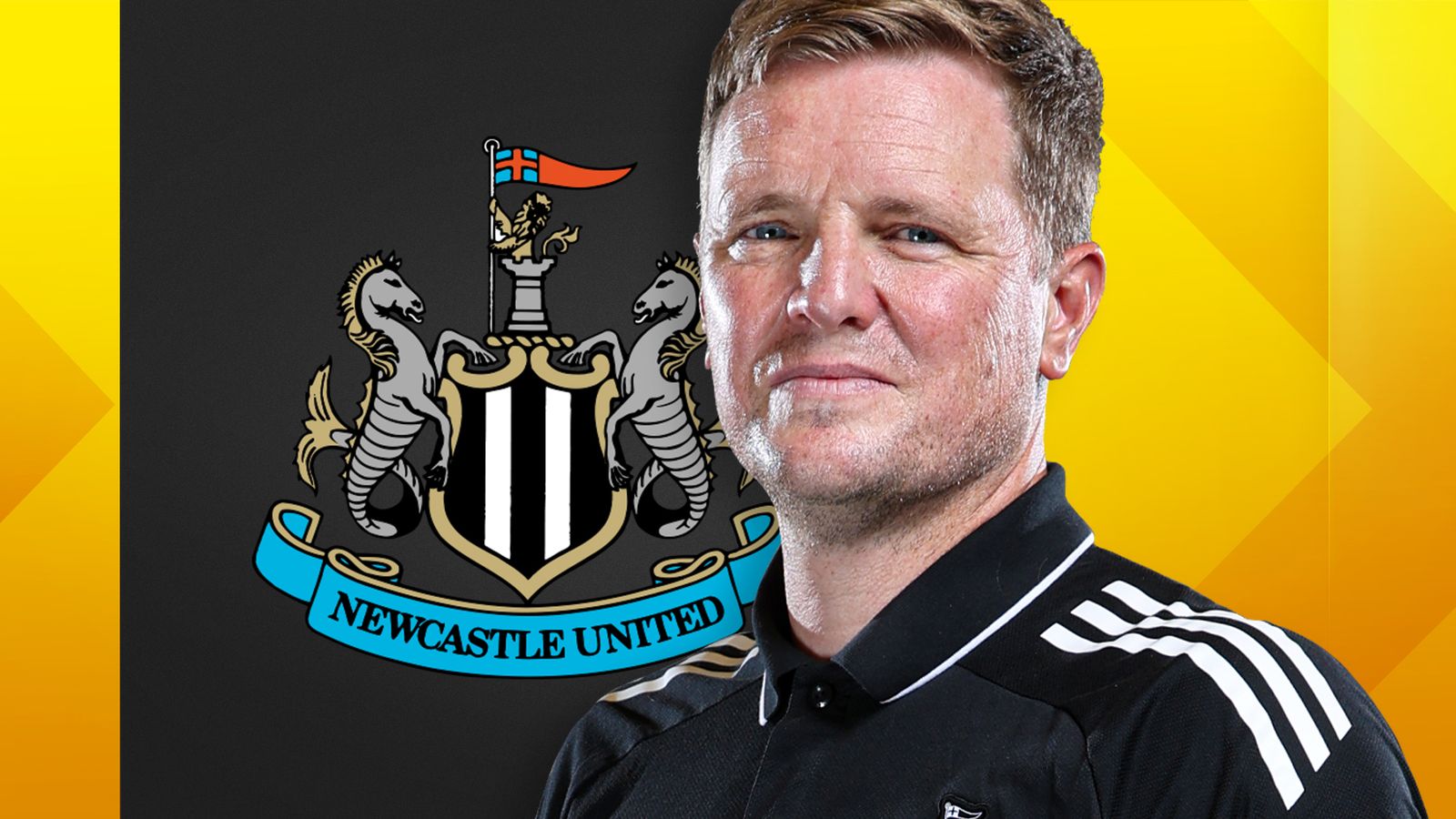
The Transfer: Newcastle Agree €27m Deal for Sean Steur
Newcastle United have reached an agreement in principle with Ajax to sign 18-year-old midfielder Sean Steur. As reported by Sky Sports, the Tyneside club will pay a total package worth €27 million. The teenage midfielder is scheduled to travel to Newcastle to undergo a medical and sign a five-year contract. According to the Sky Sports live-blog, the transfer fee is structured as an initial €24 million payment with €3 million in performance-related add-ons, alongside a 12.5% sell-on clause for the Amsterdam club.
Steur is the latest high-profile prospect to leave the Ajax academy, having made his senior breakthrough during the 2025/26 Eredivisie campaign. Standing at 182cm, he is comfortable playing as a deep-lying playmaker or a box-to-box midfielder, showing exceptional technical composure and two-footedness under pressure. For Newcastle, the signing is a direct response to a thin midfield that struggled for consistency and numbers during a demanding season.
This medical is a critical moment for Newcastle's recruitment team. The club's medical staff has faced intense scrutiny after two seasons of relentless muscular injuries and prolonged squad absences. Steur's physical assessment must be thorough, as Eddie Howe's system demands extreme physical output that has broken several high-profile players. The medical team will conduct extensive cardiac screenings, musculoskeletal mapping, MRI scans of his knees and hamstrings to check for pre-existing scar tissue, and isometric strength tests before clearing the deal.
The Recovery: Lewis Miley's Fibula Fracture Rehabilitation
The push to sign Steur is directly connected to the recovery of midfield prodigy Lewis Miley. The 18-year-old midfielder suffered a fractured fibula during a training session in May 2026. The injury ended his season early and required surgery to stabilize the bone. A fibula fracture is a serious setback for a growing player who stands over 6ft 2in. The fibula bears approximately 10% of the body's weight but is vital for ankle stability and lateral movement.
Miley has spent the summer working with Newcastle's medical team at Darsley Park. He is targeting a return to training on July 13, 2026, which is the official start of Newcastle's pre-season. The medical staff must manage his load carefully to avoid secondary complications from his long lay-off. During the initial phases of rehabilitation, Miley focused on non-weight-bearing exercises, hydrotherapy in the club's pool, and joint mobilization. In recent weeks, he progressed to linear running on the AlterG anti-gravity treadmill to rebuild his aerobic base.
Rushing the young midfielder back into contact drills poses significant risks of secondary injuries. Returning too quickly can lead to a leg-length discrepancy in movement patterns, placing excess load on the opposite knee and hamstring, leading to soft-tissue tears. Miley previously missed time with a lower back injury in March 2024, highlighting the need for a cautious recovery protocol. Steur's arrival offers Newcastle the depth needed to ease Miley back into the squad without rushing his rehabilitation.
The Medical Files: Willock's Calf and Botman's Back Issues
Newcastle's midfield depth has been repeatedly compromised by recurring injuries. Joe Willock's fitness remains a major concern for Eddie Howe. Willock suffered a calf strain during a pre-season friendly against Team K League in South Korea in late July 2025, which disrupted his campaign. The injury was a grade 2 tear of the gastrocnemius muscle, which took nearly two months of recovery before he could return to action.
That calf injury followed a long history of hamstring and Achilles tendon issues. Willock missed a significant portion of the 2023/24 season due to recurring Achilles tendonitis. The repetitive nature of his injuries indicates that Newcastle's medical department has struggled to manage his physical load, forcing the club to search for younger, more durable midfield alternatives. The medical team's reliance on injections and aggressive timelines has been a major point of friction, with recurrent setbacks costing the player over 200 days of competitive action.
Defensively, Sven Botman is also working to regain his physical resilience. Botman underwent surgery for a facial fracture sustained against Sunderland on March 22, 2026. Prior to that, he missed two months of action due to a persistent lower back injury that required therapeutic injections to manage pain from a bulging disc. He also missed matches due to thigh tightness and head injuries, showing a worrying vulnerability to physical contact. These recurring issues suggest that his physical frame has been subjected to excessive wear and tear under Newcastle's high-intensity training regimen.
The Transition: Eredivisie to Premier League Intensity
While Steur's injury history is clean, the physical step-up to the Premier League is a major hurdle. The Eredivisie features a slower tempo and less physical contact. Eddie Howe's tactical setup requires midfielders to cover high sprint distances and engage in constant physical duels. Midfielders in this setup are expected to cover up to 12 kilometers per match, with a high proportion of high-speed sprints.
Newcastle's medical staff must monitor Steur's training data during his integration. The club has a poor track record when signing players from Ajax. Siem de Jong arrived in Tyneside in 2014 but suffered two collapsed lungs, a severe thigh tear, and a freak eye injury that derailed his career. Vurnon Anita also required a full season to adapt to the physical demands of the league after his 2012 move. Rushing an 18-year-old into this environment without a structured adaptation period is a major risk that has backfired on Newcastle before.
The coaching staff cannot afford to rush Steur's development. The physical demands of the English game often lead to muscle strains in young players who are not fully conditioned. Newcastle must implement a structured physical development program, including core stability exercises and targeted strength training, to ensure Steur does not suffer the same fate as his predecessors. The performance department must use GPS tracking and metabolic power metrics to manage his load during the transition.
Strategic Implications: Squad Depth and Competitor Pressure
Signing Steur is a strategic move to build midfield depth ahead of the new campaign. Newcastle's thin squad was exposed during their European campaign, where injuries left the team fatigued. The club's competitors, such as Aston Villa and Tottenham, have invested heavily in squad rotation and specialized recovery protocols to maintain high player availability. Newcastle's high injury rate has been a major obstacle to their ambition of securing regular European football.
Rushing players back from injury has frequently resulted in secondary setbacks, a trend the medical department must resolve. The board's decision to sanction a €27 million transfer for an 18-year-old reflects an understanding that relying on a small group of players leads to physical exhaustion. The medical department must modernize their injury-prevention protocols, including individualized nutrition plans and cryotherapy recovery sessions, to keep the squad fit.
The coming weeks will show if Newcastle's medical staff can successfully manage Miley's return and Steur's integration. The pressure is on the club's performance department to deliver results on the training pitch. For a club with top-four ambitions, maintaining squad fitness is just as important as signing new players. Rushing Steur into the first team to cover for existing squad deficiencies would be a repeat of previous booking mistakes that must be avoided.