Cardinale and Amorim unlock the second phase
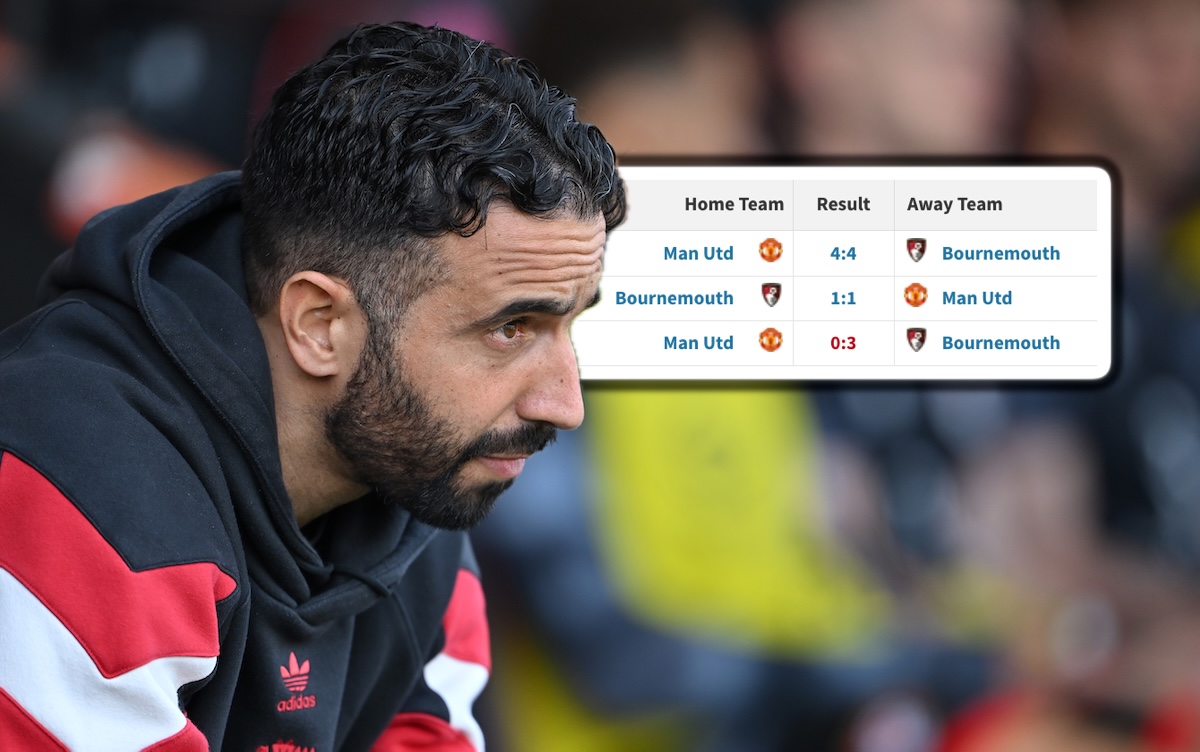
Gerry Cardinale did not just visit Milanello this week — he moved in overnight. The RedBird chief spent the evening at Milan's training headquarters for direct face-to-face summits with head coach Rúben Amorim and the recruitment leadership. Milan News and SempreMilan reported that the late-night talks served to seal total alignment between ownership and the coaching staff after an active opening stretch.
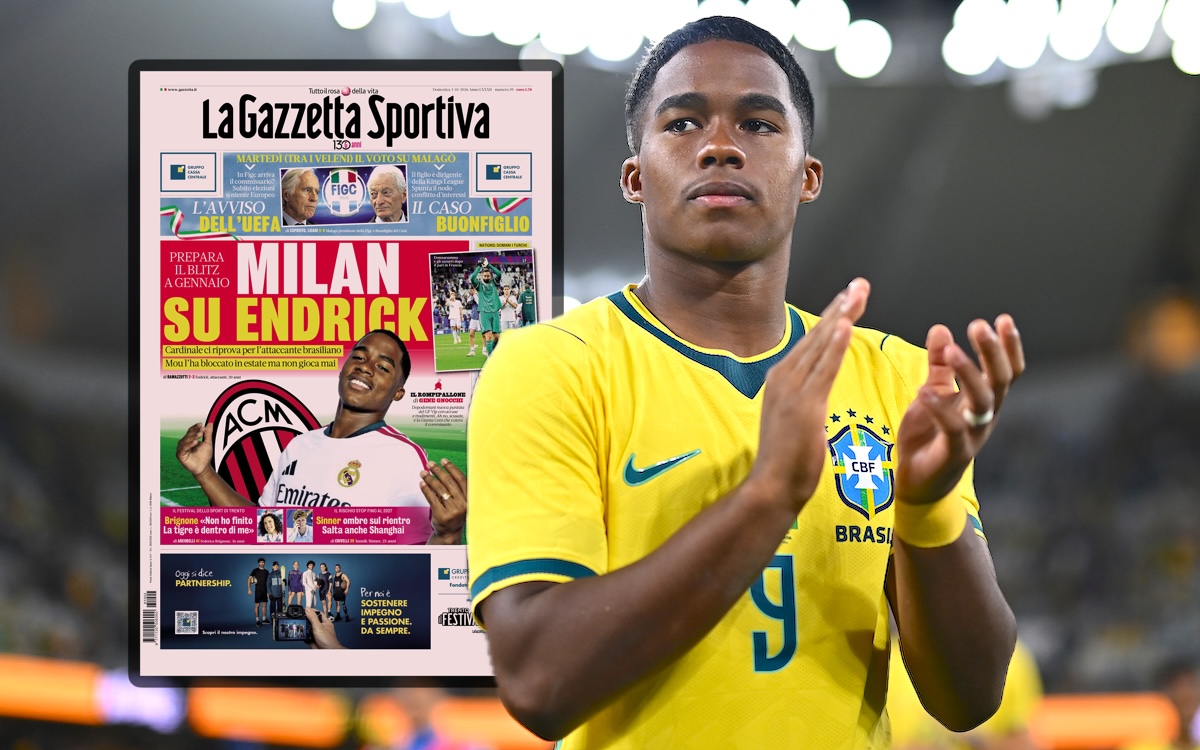
Tier 2 reports indicate that Milan are officially entering the 'second phase' of their summer mercato. The mandate from Cardinale is straightforward: incoming transfers are now strictly tied to player sales. Having already secured major acquisitions like Gonçalo Ramos and Mario Gila, the roster currently sits at an unwieldy 31 players. Trimming the squad to manageable numbers is the top operational objective before any fresh capital is deployed.
The sales bottleneck and Amorim's three requests
Amorim's tactical framework relies on intense structural discipline, and training with over 30 first-team players impairs daily tactical repetition. As detailed by SempreMilan's coverage of the meeting, Amorim outlined three key position requests to complete his setup. The Portuguese manager specifically wants a left-footed central defender capable of anchoring his 3-2-5 building phase, a dynamic central midfielder, and a creative operator who can line up directly behind the central forward.
Sporting CP defender Gonçalo Inácio remains Amorim's preferred target for the defensive slot, with an estimated market valuation around the €45m mark. However, Milan cannot submit a formal proposal for Inácio without freeing up roster spots and cash reserves. Players like Youssouf Fofana, Ruben Loftus-Cheek, and Fikayo Tomori are attracting outside interest, but no formal departures have closed yet. The potential sale of Pervis Estupiñán was even put on hold so Amorim could assess his fit in training firsthand.
Evaluating squad bloat and transfer friction
Operating a strict sell-first model in late July carries inherent risks. Demanding top-dollar fees for surplus players often backfires when rival clubs know a squad is bloated. If outgoing deals stall into August, Milan risk missing out on top primary targets like Inácio while rival suitors assemble bids. Cardinale's physical presence at Milanello signals urgency, but execution on outgoings has been slow.
Furthermore, relying on internal training assessments to judge players like Estupiñán slows down market execution. While Amorim deserves credit for thoroughly auditing his inherited options before signing off on quick exits, every week spent evaluating fringe players eats into the remaining transfer window. Balancing high valuation demands with the necessity to trim wages is a tightrope walk for the management team.
Probability Assessment
The probability of Milan landing a major primary target like Inácio before August remains balanced on a edge, sitting at roughly a 50% chance ('here we go' likelihood: medium). Everything hinges on how quickly domestic and international suitors meet Milan's asking prices for fringe talent. If key sales clear out roster spots over the next fortnight, expect Milan to move rapidly for Amorim's preferred targets during the final phase of the window.
Expected Impact
If Cardinale and the recruitment team successfully clear space and deliver Amorim's three targeted profiles, Milan's tactical ceiling elevates significantly. Adding a left-footed distributor like Inácio solves their build-up progression out of the back three, allowing Amorim's system to function at full capacity. However, failing to move out surplus players will leave the squad bloated, wage-heavy, and short on the specific profiles required for a sustained Serie A title push.