The Ten-Man Flaw at Old Trafford
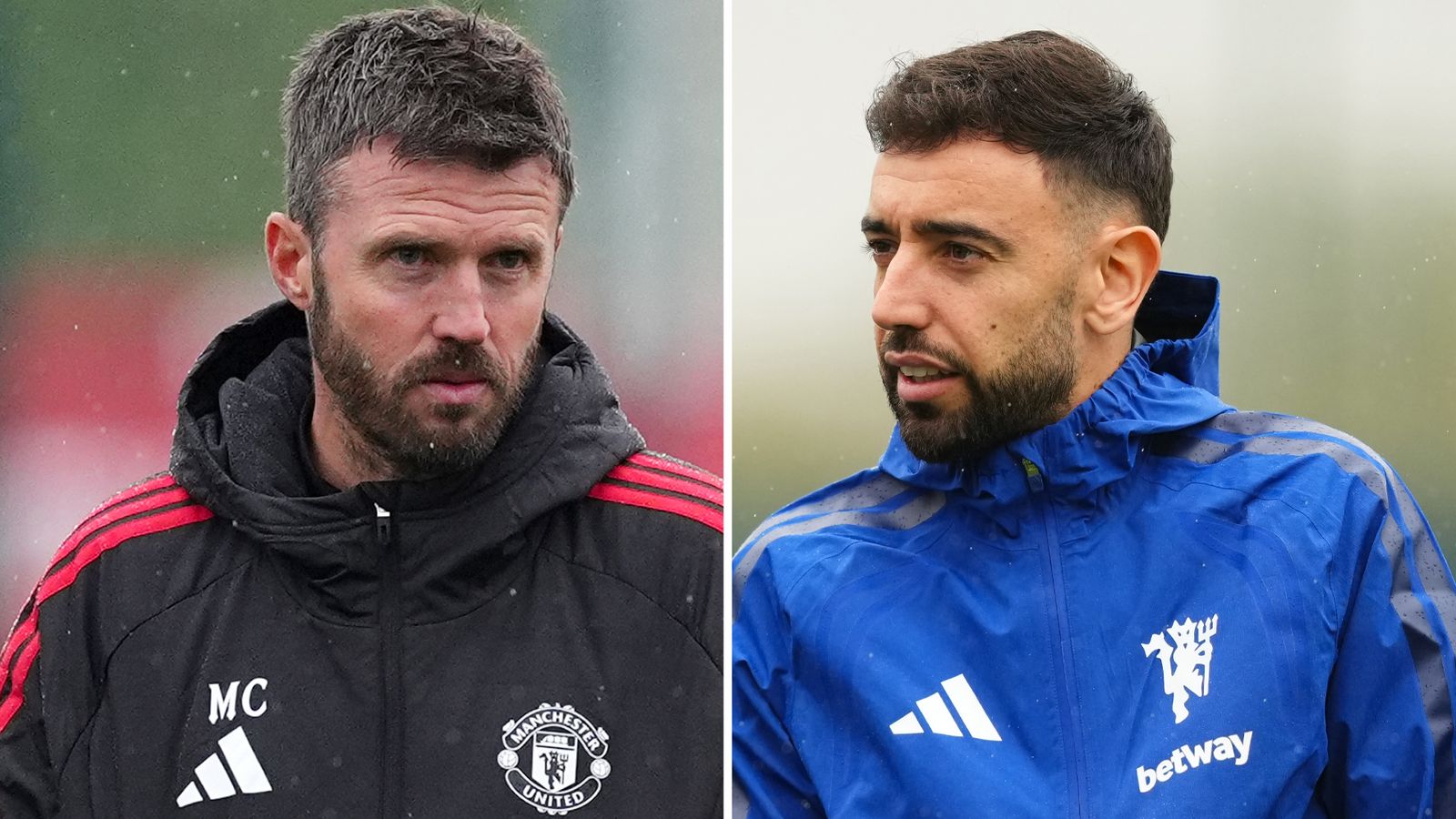
For the third time in less than ten months, Manchester United faced ten men at Old Trafford and failed to win. Saturday's 1-0 defeat against Manchester City followed a familiar, excruciating script. Phil Foden saw red before half-time, handing United an entire half to control the derby. Instead of seizing control, Carrick's side suffocated in their own possession.
The fallout began with refereeing controversies. As BBC Sport reported, an official apology from Pro Ref arrived after the match, admitting an error of judgement on Erling Haaland's winning goal. But officiating errors only mask a far deeper structural crisis. United did not lose because of a referee. They lost because they cannot break down a settled defense.
Four points from four Premier League matches is an alarming return for a club with title ambitions. Carrick tried to push back on criticism following last week's draw at Everton when United sat on four points from three games. Now, even he admits there is no running away from reality. A solitary win over newly-promoted Ipswich is all United have to show for their opening month.
The manager remains defiant in public despite the mounting pressure.
blockquote>"We don't need a break or a restart. We've just got to move on and get winning again." — Michael CarrickMoving on is easy to say in a post-match press conference. Fixing a blunt attack inside four days is a completely different task. United started the domestic campaign with a narrow victory at Hull before stumbling against Everton and City. The early momentum built during Carrick's interim spell has completely evaporated.
The home support expected urgency after Foden's dismissal. Instead, the tempo dropped, passing became lateral, and City comfortably repelled harmless crosses. The contrast between United's counter-attacking speed and their static possession play remains stark.
The £155m Midfield Disconnect
United spent £155m during the summer transfer window to rebuild their central midfield. That investment was supposed to transform how the team controls matches against deep-lying opponents. Four games into the season, that money is sitting on the bench or struggling to adapt.
Youri Tielemans was the only summer signing who featured in the derby defeat. He struggled to dictate tempo, moving the ball sideways while City sat in their low block. His passing lacked the incisive line-breaking speed required to displace compact defenders.
The other central additions were entirely absent against City. Carlos Baleba has still not made his official debut for the club. Meanwhile, Andrey Santos started the opening fixture at Hull, found himself dropped to the bench afterward, and did not play a single minute against City.
Squad depth looks thin across multiple positions. Luke Shaw saw his remarkable streak of 41 consecutive Premier League starts come to an end on Saturday. United signed no left-back cover in the transfer market, leaving the backline exposed when Shaw is unavailable.
Carrick's bench options against City exposed the roster's limitations. Chasing the game late in the second half, the manager made just two substitutions. He brought on Joshua Zirkzee in the 83rd minute for Marcus Rashford, turning to a player United actively tried to sell all summer.
Throwing on an unwanted forward with seven minutes remaining is an act of desperation. It shows a glaring lack of depth in attacking areas. When plan A fails against ten men, Carrick simply lacks the bench profile to change the match momentum.
The lack of tactical options on the bench raises hard questions about summer planning. If £155m cannot buy a midfield capable of breaking down ten men, the recruitment strategy requires immediate review. United look incomplete in central areas despite heavy spending.
Maresca's Trap and the Solskjaer Echoes
Enzo Maresca did not sound relieved after the final whistle; he sounded like a coach who had successfully baited his opponent. City's new boss acknowledged that Foden's dismissal initially threatened his game plan. However, he quickly realized United's tactical limitations would work in City's favor.
Maresca laid out United's tactical profile with brutal clarity during his post-match press conference.
blockquote>"They are a team that loves transitions and space in behind. With 10 players, we just dropped and waited for them, so we didn't concede any transitions and didn't concede any space in behind. That is why the game became more difficult for us and for them." — Enzo MarescaMaresca’s post-match comments exposed a decade-long flaw at Old Trafford. Ever since Jose Mourinho arrived over ten years ago, United have functioned best as a counter-attacking side. They thrive when opponents attack them and leave open grass to exploit.
Subsequent managers tried to rewrite that identity without success. Ole Gunnar Solskjaer attempted to build a possession-heavy style but ultimately relied on fast breaks. Erik ten Hag and Ruben Amorim arrived from leagues where their teams dominated domestic opponents, yet both struggled to instill a dominant possession game in Manchester.
As a player, Carrick was the archetype of midfield composure and spatial intelligence. Naturally, the board hoped he could teach this squad to control matches with the ball. Instead, United's possession against City was sterile, safe, and completely non-threatening.
Carrick's post-match assessment offered surprising optimism. He insisted United held the initiative in the second half and were the better side before Haaland scored. He pointed out that United hit the post and claimed momentum was building as planned.
Relying on a set-piece hitting the woodwork is not a tactical strategy. Carrick did concede his team needed to finish better and show more creativity in the final third. But acknowledging a lack of creativity after 90 minutes against ten men is cold comfort for supporters.
The ghost of Solskjaer hangs over Carrick's appointment. Carrick earned the permanent job in May on a two-year deal after winning 12 of his 17 matches in temporary charge following Amorim's dismissal. It was a run that mirrored Solskjaer's emotional interim spell in 2019.
Solskjaer remains the only manager since Sir Alex Ferguson to deliver consecutive top-three Premier League finishes. Yet critics never viewed him as a top-tier tactical innovator. Carrick arrived at Carrington after 136 matches managing Middlesbrough through June 2025, but he now faces the exact same skepticism.
The Fernandes Overload and Squad Fragility
The physical strain on Bruno Fernandes is becoming impossible to ignore. The skipper was brilliant last season, capturing both the PFA and Football Writers' Player of the Year awards. He delivered nine goals and a Premier League record 22 assists, carrying the creative load almost entirely by himself.
This season tells a different story. Fernandes has scored three goals, but he has registered only one assist through five appearances. While his goal output remains acceptable, his overall influence on ball movement has dropped sharply.
Against City, Fernandes looked leg-weary long before the final whistle. That fatigue stems directly from Carrick's squad management during mid-week European action. United returned to the Champions League against Azerbaijan champions Sabah FK after a two-year absence from Europe's elite competition.
United raced into a three-goal lead by half-time against Sabah FK. Despite holding a comfortable advantage and facing a three-day turnaround before the City derby, Carrick kept Fernandes on the pitch for all 90 minutes while using his other five substitutions.
Running your 31-year-old captain into the ground against European minnows when the game is already won is poor management. Fernandes is the only outfield player to play every single minute of United's first five matches this season. With contract negotiations lingering into his final year—though United hold an option through 2028—over-relying on him is a massive risk.
If Fernandes loses sharpness, United lose their primary engine. No other midfielder in the squad possesses his vision or willingness to attempt high-risk passes. Relying on one player to generate all creative output is unsustainable over a 50-game season.
Brighton, Fulham, and the Coming Pressure
The calendar offers no breathing room for Carrick. United host Brighton in the Carabao Cup on 16 September before traveling to London to face Fulham four days later. These two fixtures will dictate the mood around Old Trafford heading into autumn.
The Carabao Cup tie against Brighton cannot be treated as a routine squad rotation game. Brighton arrive with an aggressive, highly synchronized pressing system designed to punish passive passing. If United move the ball as slowly as they did against City, Brighton will dominate central midfield.
Carrick faces a delicate balancing act on Wednesday. Rotating his lineup risks an early cup exit that would ignite vocal fan anger. Playing his fatigued starters again risks further muscular injuries and burnout ahead of a difficult league trip to Fulham on 20 September.
Craven Cottage is a brutal venue for a team lacking confidence. Fulham possess quick wide players who will target United's full-back areas, particularly with Shaw absent. Dropping points in West London would leave United pinned in the lower half of the table.
Failure in both upcoming matches would unleash three weeks of relentless public scrutiny. A three-week international break provides media pundits and fans endless time to dissect squad flaws, recruitment mistakes, and Carrick's tactical ceiling. Carrington would turn into a pressure cooker before October even begins.
United do not need another emotional speech or tactical promise; they need wins. Carrick won 12 games as interim manager by keeping instructions simple and exploiting space. Now that teams are giving United the ball and daring them to create, the manager must prove he has the answers.