The tactical paranoia in the US camp
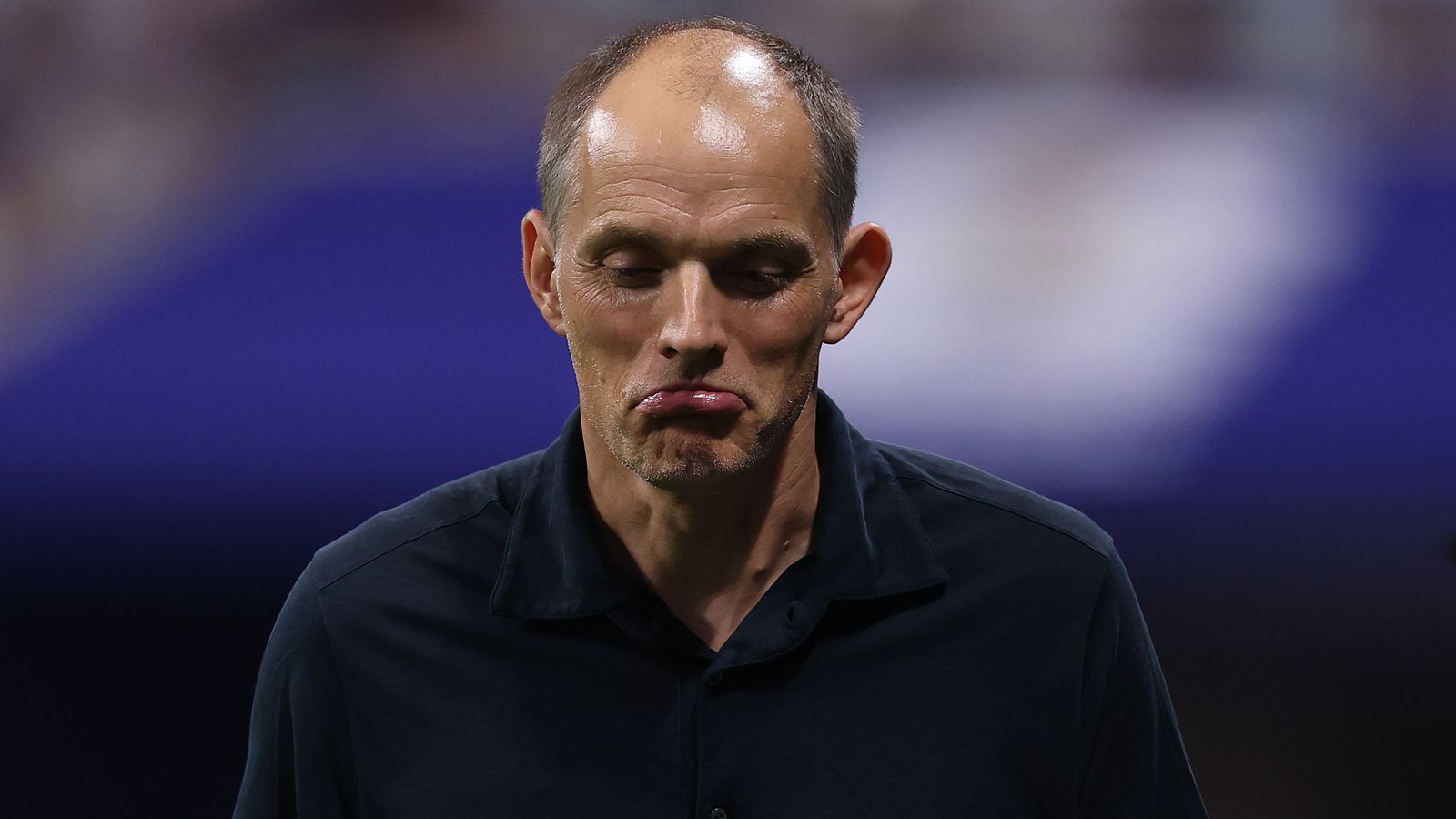
Mauricio Pochettino has turned the focus of his pre-match press conference in a bizarre direction. Caught on camera by The Guardian, the USMNT manager was filmed actively scouting his own training facility for clandestine observers. He explicitly cited the current climate of international football as his reasoning.
"I wanted to see, because you know, we're in an era of, how you say: spy," Pochettino stated when confronted by reporters. This behavior suggests a manager under extreme pressure, perhaps attempting to project a sense of control over a squad that has struggled with consistency throughout the calendar year. While squad rotations remain the primary concern for pundits, the manager's attention appears absorbed by internal security theater.
The spy fixation and team performance
This episode highlights a widening disconnect between the expectations placed on the US team and the current management approach. Rather than focusing on sharpening the attacking third, Pochettino is spending training minutes monitoring the perimeter. It is a concerning trend that mirrors his tenure elsewhere, where obsession with external control often masked tactical deficiencies. Fans expecting a clear blueprint for the upcoming knockout stages are seeing a coach increasingly preoccupied with shadows.
Critics will argue that this is a dated approach to team preparation. Players often tune out coaches who project this type of insecurity, and the optics of filming 'spies' during a training session rarely foster a calm dressing room environment. If the USMNT fails to secure a result in the next 48 hours, the fallout from this 'spy' narrative will be swift and unforgiving. The spotlight in North America is intense, and performing a search for intruders is unlikely to satisfy an expectant public.
Tactical focus versus theatrical distractions
From a squad construction perspective, the US team possesses enough raw talent to challenge stronger defensive lines. However, the lack of a cohesive press is evident in the scouting data from the last three international windows. Focusing on potential spies distracts from the core issue: the transition defense remains porous. Opponents are finding far too much space in the pockets between midfield and the back four. Unless the tactical instructions improve, searching for drones and observers will not provide the necessary defensive solidarity required to advance. The team needs clarity in its defensive shape, not a detective in the dugout.
Observers should watch the first 15 minutes of the next match to see if the players are truly locked in or if the nervous energy from the coaching staff has bled onto the pitch. If the defensive structure is disorganized early on, it will reinforce the narrative that the US is currently managed by a figure distracted by the wrong variables. Winning matches requires tactical discipline, not paranoia. The coming days will reveal whether this is an eccentric attempt to rally the troops or the beginning of a genuine meltdown under the pressure of the tournament host mandate.
Ultimately, the timing of this public display could not be worse for player morale. Professional squads depend on routines, and having a manager distracted by perimeter security is hardly the preparation of a championship side. If the USMNT advances, this may be brushed aside as a quirk of a high-pressure environment. If they exit early, however, this training ground video will serve as a definitive symbol of a campaign that lost its way.
Read Next
- USMNT inconsistency could be the undoing against Australia
- Fixtures release confirms the slog is back
- England cannot afford another sluggish start against Ghana
- Scotland are staring at their biggest game since 1998
- 🏆 World Cup 2026 — Full Coverage Hub
- 🇺🇸 USMNT World Cup 2026 — Team USA Coverage Hub
- ⚽ MLS 2026 Season Hub — World Cup Year Guide