Tier 1 confirmation: Pochettino locks in long-term USMNT role
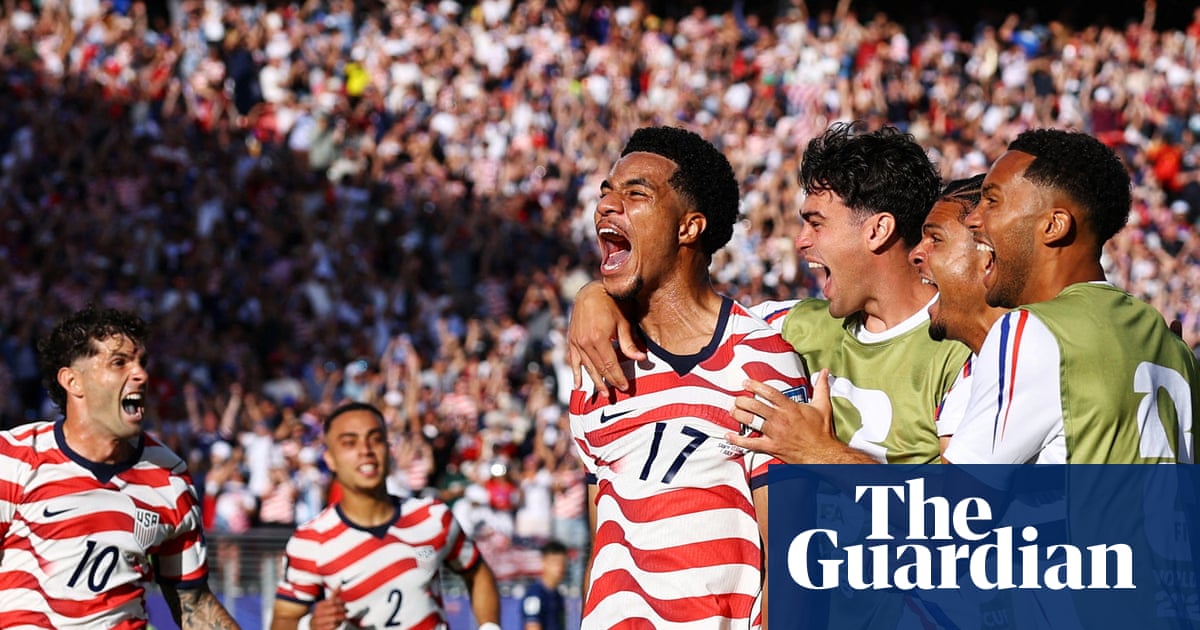
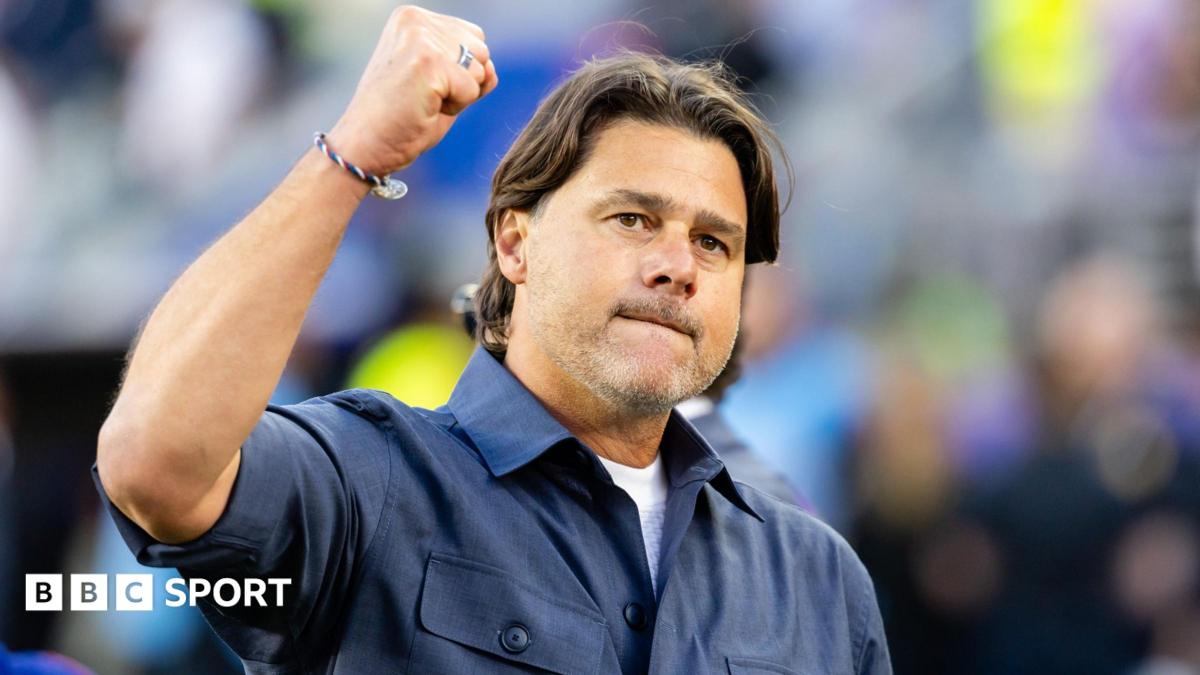
Mauricio Pochettino has reached a definitive agreement to remain the head coach of the United States men’s national team. Sources confirm the extension runs through 2030, signaling a massive commitment to the upcoming World Cup cycle. The Argentine tactician moves past the initial speculation that followed his arrival, settling in for a project that spans half a decade.
This deal arrives after weeks of internal discussions regarding the trajectory of the squad. Pochettino is now positioned to oversee the transition of a roster that remains in flux. Consistency at the top is the primary goal for US Soccer officials after years of managerial instability.
Tactical objectives for the 2030 cycle
Pochettino’s profile is defined by high-pressing intensity and a demand for tactical discipline. His tenure at clubs like Tottenham and Chelsea established a baseline for how he develops younger squads. The USMNT talent pool requires a coach who can integrate prospects with established core players under high-pressure scenarios.
Critics point to the lack of silverware in his recent club stops as a potential red flag. Managing a national team differs from the weekly grind of the Premier League where he could rely on deep transfer budgets. His success now depends on his ability to maximize the limited time spent with players on the training pitch.
Assessment and expected impact
The probability of this transition failing is non-zero, especially given the expectations of the American fanbase. Pochettino is tasked with maintaining a coherent identity that often went missing in recent friendlies. His appointment as a long-term architect is a bet on his reputation for youth development.
If this tenure proceeds as planned, the USMNT will move away from the stop-gap measures that defined the last eighteen months. As reported by the BBC, the deal secures his place at the helm for the duration of the next major international cycle. Expect the focus to shift toward qualifying matches starting in the coming months.
Integration of defensive systems will be the first test for this new era. Pochettino prefers a back-four structure that allows his wing-backs to push high up the pitch. Players like Antonee Robinson will find themselves in a system that rewards their attacking instincts. The risk lies in his susceptibility to quick counter-attacks when the defensive structure isn't perfectly calibrated.
Player recruitment for camp rosters will likely stay aggressive under his watch. He has never been a coach afraid to drop underperformers regardless of their international pedigree. We are looking at a meritocracy that could leave several high-profile names scrambling to keep their roster spots.
His first major hurdle involves establishing chemistry during the upcoming international windows. With an open calendar for the rest of 2026, he has time to experiment with his tactical secondary layer. The 2030 timeline suggests the federation is willing to stomach short-term variance for long-term tactical cohesion.
Whether he can adapt to the constraints of international duty remains the biggest unknown. In club football, you can fix systemic issues with a tactical session every Tuesday morning. On the international stage, those sessions are restricted to narrow windows before match days. The success of this move hinges on how quickly he can simplify his complex pressing triggers for a squad that meets sporadically.
Ultimately, this is a statement of intent. The USMNT is opting for a coach who demands total control of his environment. How that demand translates when he is only seeing his players for ten days at a time will dictate the legacy of this hiring. The foundation is set, but the structural work is only just beginning.
The defensive transition period will likely see some uncomfortable results. Pochettino has a history of demanding high lines that leave his teams vulnerable in the early stages of a project. Fans should prepare for some lopsided scorelines while the players learn to trust his specific vision of space management. Patience is the hidden requirement of this extension.
By the time the next major tournament arrives, the tactical identity must be bulletproof. Pochettino has five years to build it. He has no more excuses about squad familiarity or tactical integration after the 2027 calendar year passes. It is a high-stakes gamble on a manager who knows how to build, but has struggled to finish.
The financial commitment is significant, though precise terms remain undisclosed beyond the 2030 expiration. It locks in his salary structure for a duration rarely seen in international management. We will see if the US Soccer federation's faith is rewarded with a deeper run in future competition formats.
Read Next
- US Soccer just doubled down on the ultimate coaching flop
- Pochettino extension signals long-term stability for USMNT
- Mauricio Pochettino commits to USMNT through 2030 cycle
- US Soccer locks down Pochettino: What extension means for 2026 and beyond
- 🏆 World Cup 2026 — Full Coverage Hub
- 🇺🇸 USMNT World Cup 2026 — Team USA Coverage Hub
- ⚽ MLS 2026 Season Hub — World Cup Year Guide