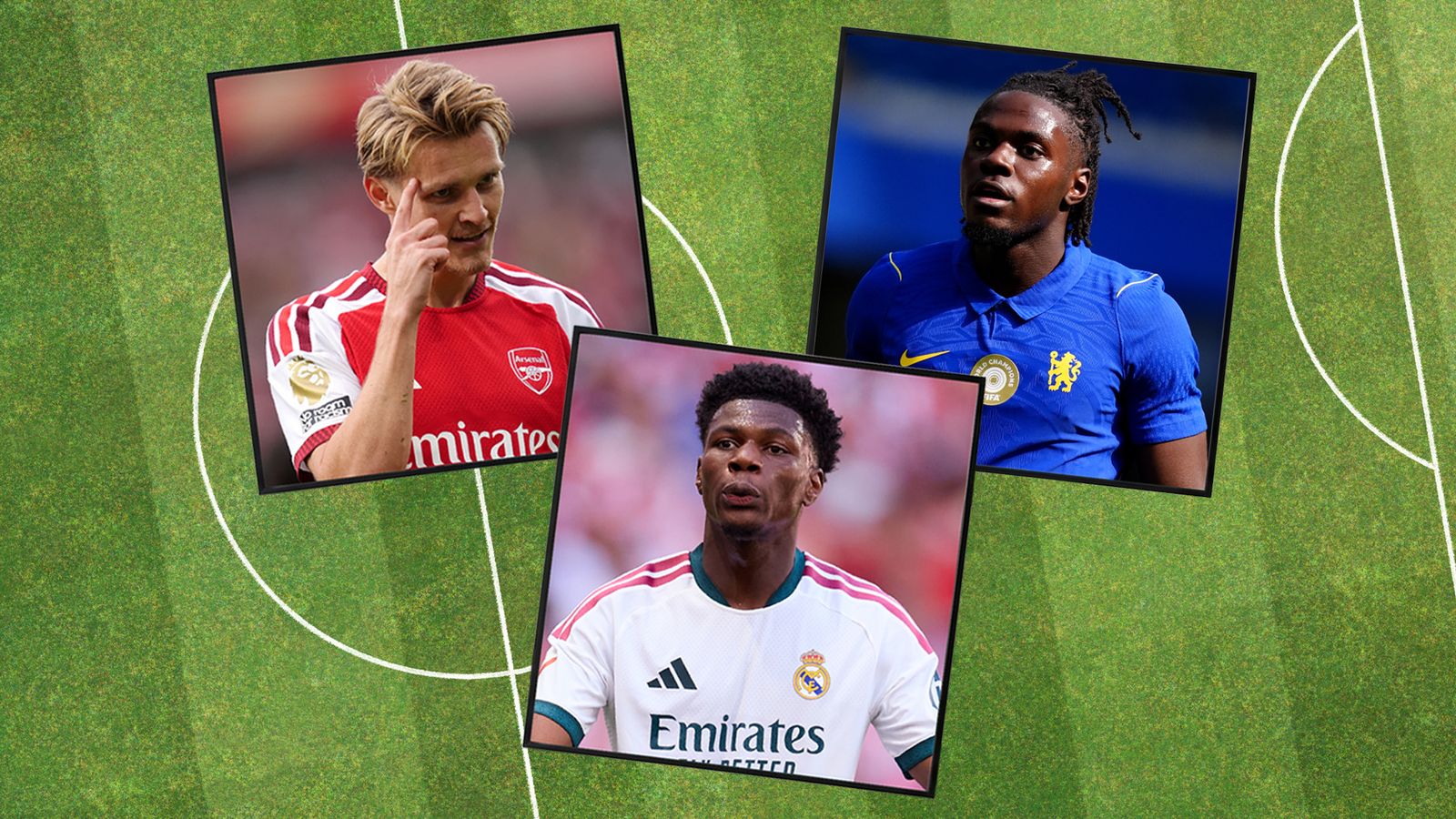
Odegaard's captaincy faces a high-stakes litmus test
Martin Odegaard arrives at Saturday's World Cup quarter-final in a precarious position. The Arsenal midfielder is not just playing for a semi-final berth; he is fighting to silence critics who have questioned his influence during his tenure as Gunners captain. It is a defining moment for a player who has often been the heartbeat of Mikel Arteta's system but finds himself under immense pressure to deliver in the biggest matches.
As reported by the Mirror, the internal narrative surrounding Odegaard has shifted. While his technical precision was once the undisputed foundation of the squad, questions regarding his leadership in tournament environments have grown louder. This match represents a stark departure from the domestic comfort of the Premier League.
The direct collision with Rice
Standing in his way is Declan Rice, arguably his most important colleague at the Emirates. The pairing has been synonymous with the Arsenal mid-block for years, yet they are now effectively tasked with neutralizing one another's primary strengths. Rice's ability to hunt down loose balls and disrupt transitions will put Odegaard's creativity to the ultimate test.
The tactical reality is brutal. If Odegaard fails to find pockets of space against a system designed to frustrate creators, his captaincy will inevitably be scrutinized. It is not enough to show flashes of brilliance; he is expected to dictate the tempo against a midfield partner who knows exactly how he operates under duress. This is a game of chess played at high velocity where every misplaced pass will be magnified by the context of his club standing.
The pressure of the armband
Internal squad dynamics at Arsenal have never been simple. Rice has long been viewed as a natural leader, and his presence on the opposite side of the pitch offers a direct mirror to what Odegaard provides for the North London club. There is a quiet tension in the fact that one will eliminate the other from global competition. Fans and pundits are debating whether the Norwegian international has the requisite grit to lead a team through a crunch knockout tie.
Management, meanwhile, remains invested in Odegaard, but the margin for error has thinned. His performance in the 1-0 win in the Round of 16 was professional, yet lacked the decisive edge required to separate true superstardom from high-level utility. To justify his continued role, he must do more than just facilitate; he must dominate the central zones.
Beyond the numbers
Analytical scrutiny of Odegaard's output consistently highlights his high pass completion rate, but the eye test often reveals a different story. Against elite defensive blocks, he can become predictable, retreating to the half-spaces and recycling possession rather than carving open holes in the defensive line. This tournament is where reputations are forged in blood and sweat, and the 28-year-old playmaker is acutely aware that he is currently on trial.
The irony of their matchup is that both players are playing for their collective legacy at Arsenal. If Rice manages to bottle up the midfield, the narrative shift will be substantial. The conversation in London won't be about potential or development anymore. It will move toward who truly owns the engine room and who is better suited to drive the team forward when the season resumes.
The stakes for Arsenal's summer strategy
Club executives are undoubtedly watching the quarter-final through a lens of future recruitment and re-signing priorities. If the gap between Odegaard and Rice becomes pronounced during these 90 minutes, the club may have to reassess how they balance their wage structure and authority hierarchy. It is a cold, clinical look at what players provide for the investment placed in them.
The reliance on Odegaard has always been high. However, if he is outplayed by his own teammate, the questions will intensify. Is the squad truly built around the right man, or is it time for a pivot? This match will provide the data points needed for such radical discussions. The result of this fixture is not merely about a World Cup semi-final spot. It is a referendum on the leadership hierarchy at the Emirates.
Arteta prefers a group dynamic, yet in a quarter-final, individuals are forced to step into the spotlight. If Odegaard allows himself to be stifled by Rice's physicality, it will confirm the harshest narratives being peddled by his detractors. Conversely, a commanding performance would effectively finalize the debate regarding his status as a world-class leader. Everything is on the line, and hiding is not an option.
Read Next
- Arsenal's civil war is the most awkward subplot of the World Cup
- Arsenal’s internal battle at the World Cup: Odegaard vs Rice
- Arsenal and the high-stakes gamble of chasing Guimaraes
- Arsenal go all-in on a massive summer spending spree
- 🏴 England World Cup 2026 — Three Lions Hub
- 🇳🇴 Norway World Cup 2026 — Can Haaland Lead the Vikings?