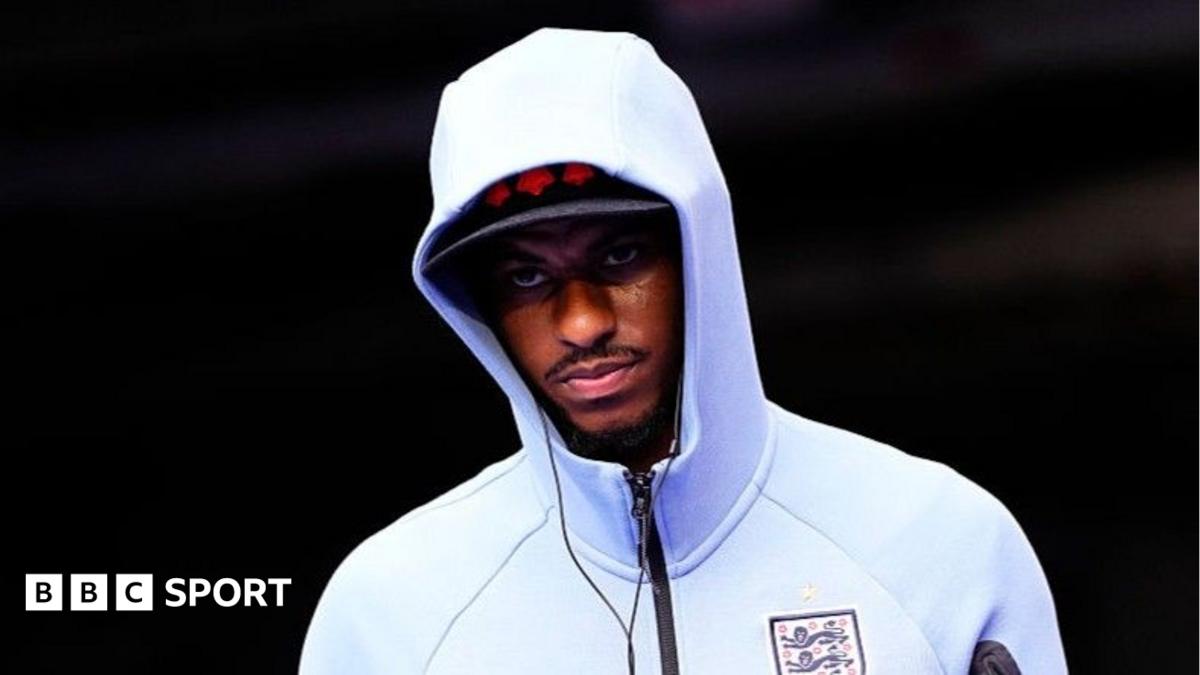
The Rashford paradox at Old Trafford
Marcus Rashford finds himself at a career junction that rarely ends in a fairytale finish for homegrown icons. Following the conclusion of the World Cup, the chatter around Carrington has shifted from squad rotation to potential outgoings. At 28, he is no longer the academy prospect needing guidance; he is a veteran whose output has struggled to match his reputation or wage packet.
We have seen this cycle before. A spell of explosive form followed by a sustained period of tactical drift is the hallmark of his recent campaigns. As reported by the BBC, uncertainty currently hangs over his future at the club despite his long-standing ties to the city. Managers come and go, yet the fundamental question remains: how much longer can a club with title aspirations afford to wait for a winger who fluctuates between world-class and anonymous?
The math behind the decline
Analytical scrutiny of his recent performances reveals a troubling trend in engagement. While his raw pace remains a threat in transition, the lack of defensive tracking and inconsistent pressing numbers create a burden for the rest of an already unbalanced midfield. Modern systems punish wingers who cannot contribute to the phase-change from attack to defense.
His efficiency in the final third has stagnated while the rest of the Premier League has evolved toward high-pressing, high-possession models. If you look at his output over the last three seasons, the conversion rate on high-value chances has dipped significantly. He now requires more shots to generate a single goal than most other starters in the top four teams.
The inevitable exit
Predicting a departure for a player so tied to the identity of Manchester United feels like sacrilege, but the data points to a divorce. The club is under pressure to streamline their wage structure and clear the deadwood to facilitate smarter recruitment. Keeping a player who is currently delivering a 0.34 expected goals per 90 at his price point is a classic sunk-cost fallacy.
I expect the club to facilitate a move during this window rather than dragging out a potential decline. It would be a messy, emotional exit, but it is necessary for both parties. He needs a change of scenery to snap out of this tactical funk, and United needs a left-sided attacker with a higher floor for reliability. The relationship has served its purpose, but it has run its course.