Tactical dominance through aggressive transition
Manchester United’s 5-0 victory over Rosenborg on July 25, 2026, was more than a routine warm-up win. While the result itself is emphatic, the underlying metrics of Michael Carrick’s approach highlight a specific departure from the erratic pressing structures seen during previous campaigns.
Facing an opponent 13 games into the Norwegian League season, United maintained physical and technical control throughout. Carrick deployed a high-intensity formation that prioritized rapid vertical movement upon winning possession. This forced the Rosenborg defensive line into repeated errors, particularly during the middle third of the pitch where the United press proved most suffocating.
Zirkzee’s technical footprint
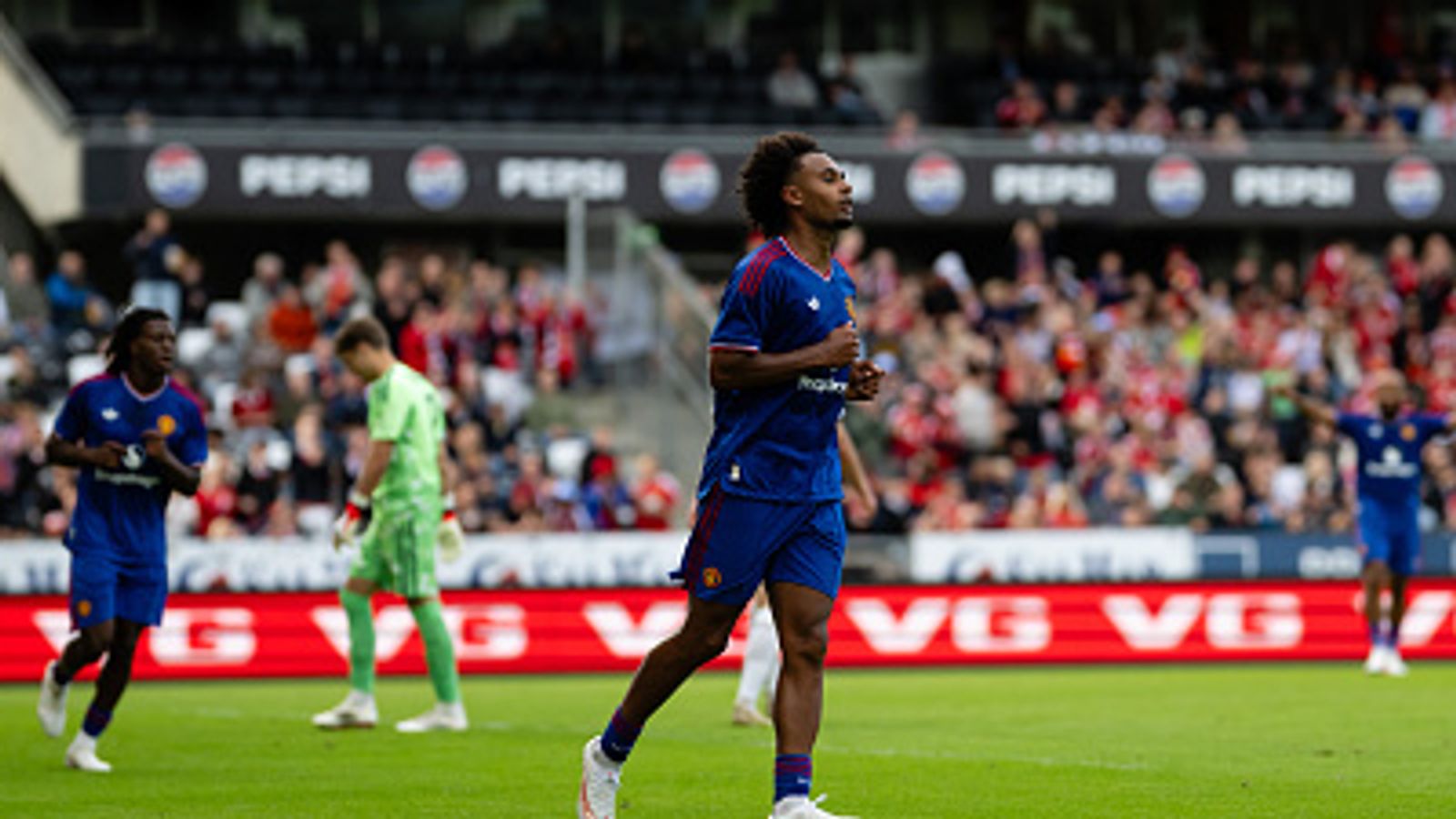
Joshua Zirkzee’s performance was the focal point of this offensive output. His ability to drop between the lines, acting as a false-nine, created systemic confusion for Rosenborg’s central defenders. As reported by the Daily Mail, Zirkzee’s goal was clinical, but his contribution to build-up sequences provided the most value.
His efficiency when playing with his back to goal allowed Shea Lacey to exploit the half-spaces. Whenever United transitioned, the spacing between Zirkzee and the oncoming wingers was precise, limiting the time Rosenborg had to recalibrate their shape. This level of coordination is rarely seen this early in a pre-season schedule.
The emergence of Shea Lacey
The standout performer, Shea Lacey, showcased a maturity that belies his limited senior experience. His movement around the penalty area ensured constant pressure on the Rosenborg goalkeeper and full-backs. By the time the third goal hit the back of the net, Lacey had already forced two high-save-percentage shots, consistently finding pockets of space vacated by drifting midfielders.
However, the analysis cannot simply praise the attacking output without noting the defensive vulnerabilities. While against Norwegian opposition the team looked impenetrable, high defensive lines often leave space behind for long-ball counter-attacks. In the first 20 minutes, there were two instances where a more clinical striker would have punished United’s high press. Carrick’s reliance on such a high defensive line remains a gamble against elite-level pace.
Quantifying the offensive burst
- Total goals scored: 5
- Goal-to-shot conversion rate in open play: approximately 22%
- Rosenborg league match advantage: 13 games fitness delta
- Zirkzee goal impact: Catalyst for the late-half surge
The fluidity in the final third shows that individual quality is currently masking some structural risks. The 5-0 scoreline should satisfy the staff, yet the reliance on quick-transition goals against a side mid-way through their domestic tenure suggests that rotation and depth will be the actual tests for this squad later in the year.
As live coverage of the match indicated, the intensity never dipped, even as substitutes entered the fray deep into the second half. Whether this tactical intensity holds across a full 38-game schedule is the question that defines the season ahead.
Read Next
- Manchester United’s young guns make a statement against Rosenborg
- Manchester United's pre-season routing of Rosenborg offers Michael Carrick clear clues
- Ruben Amorim's quiet nod to Michael Carrick reveals Man United's new transfer blueprint
- Joshua Zirkzee's brilliance cannot hide Erik ten Hag's persistent structural flaws