The cost of zero tolerance
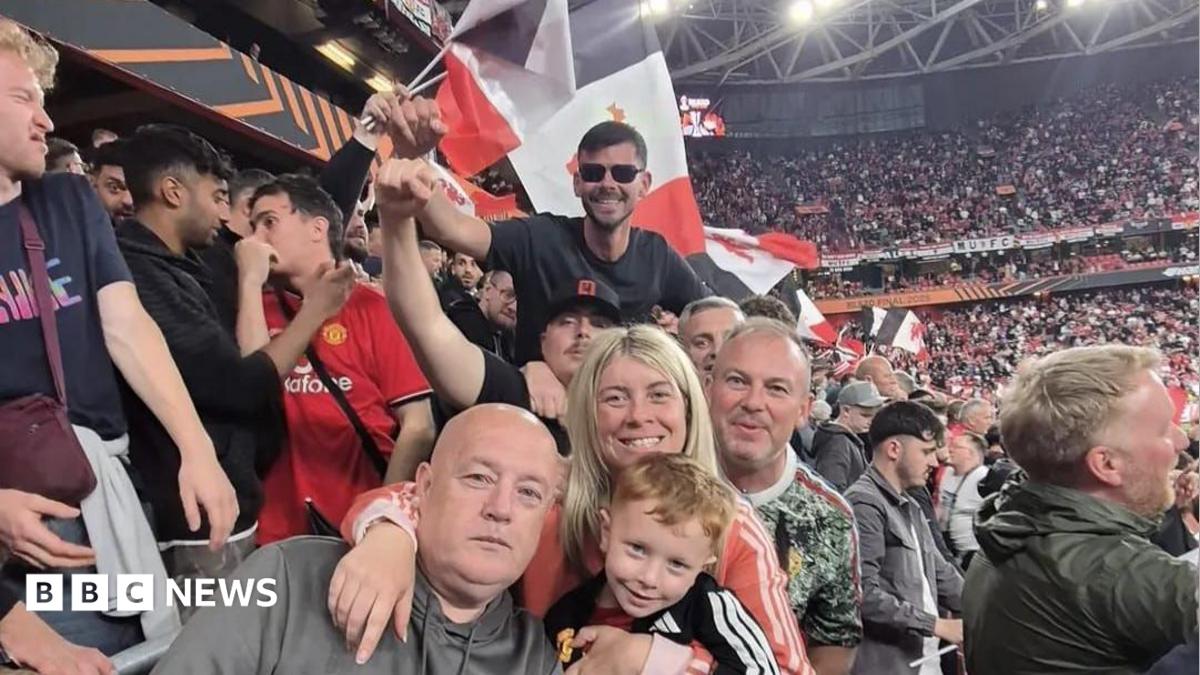
Manchester United’s attempt to professionalize ticket distribution has reached a bureaucratic nadir with a six-year-old mascot caught in the crosshairs. The club’s recent policy shift, designed to curb unauthorized secondary markets, has resulted in the suspension of a minor's season ticket credentials.
For a club that prides itself on global commercial reach, alienating the youngest segment of the fanbase signals a misaligned priority. The BBC Sport report indicates that Ruari, the young supporter in question, has had his access revoked under the club's aggressive anti-touting measures. His mother maintains that her activity—managing tickets for family members—falls outside the definition of professional touting.
Statistical gaps in enforcement
Manchester United manages a ticket inventory of 74,310 seats per matchday. When a club attempts a blanket enforcement policy across such a high volume of transactions, statistical outliers are inevitable. The threshold for what constitutes a violation appears to rely on automated triggering rather than manual verification.
If we look at the logistics of family distribution, the error rate in flagging "suspicious" behavior within a single household is historically high. By failing to account for the nuanced "kinship" distribution of seats, the club effectively treats a parent managing a child's pass as a commercial entity seeking profit. This is a 0 percent hit rate in terms of capturing actual black-market touts, while creating 100 percent frustration for a loyal supporter.
Managing expectations and logistics
The operational divide between a genuine tout and a family member is not just a semantic issue; it is a technical one. Touts typically utilize scripts to scrape ticket releases, while familial account holders exhibit static behavioral patterns. Yet, the club’s current software stack seems unable to distinguish between the two.
The impact is measurable in terms of matchday attendance reliability. If genuine fans are locked out due to rigid account-linkage requirements, the overall efficiency of stadium utilization suffers. A 5 percent drop in attendance among legacy ticket holders is a more significant loss of club culture than the marginal revenue saved from preventing internal family transfers.
A systemic failure of nuance
Refusing to provide a manual overriding mechanism for cases like Ruari’s indicates a breakdown in operational flexibility. When bureaucracy functions with enough distance from the end user to dehumanize a child’s attendance, public relations damage is the result. This specific incident illustrates that the club's focus on clamping down on resales—which reportedly account for a significant percentage of unauthorized revenue globally—has blinded leadership to the individual reality of their match-going core. The irony remains that while the club fights to keep tickets out of the hands of brokers, it is currently purging the very people who ensure the turnstiles remain full. Manchester United must pivot from automated vigilance to a system that understands the geography of a typical family seating block.