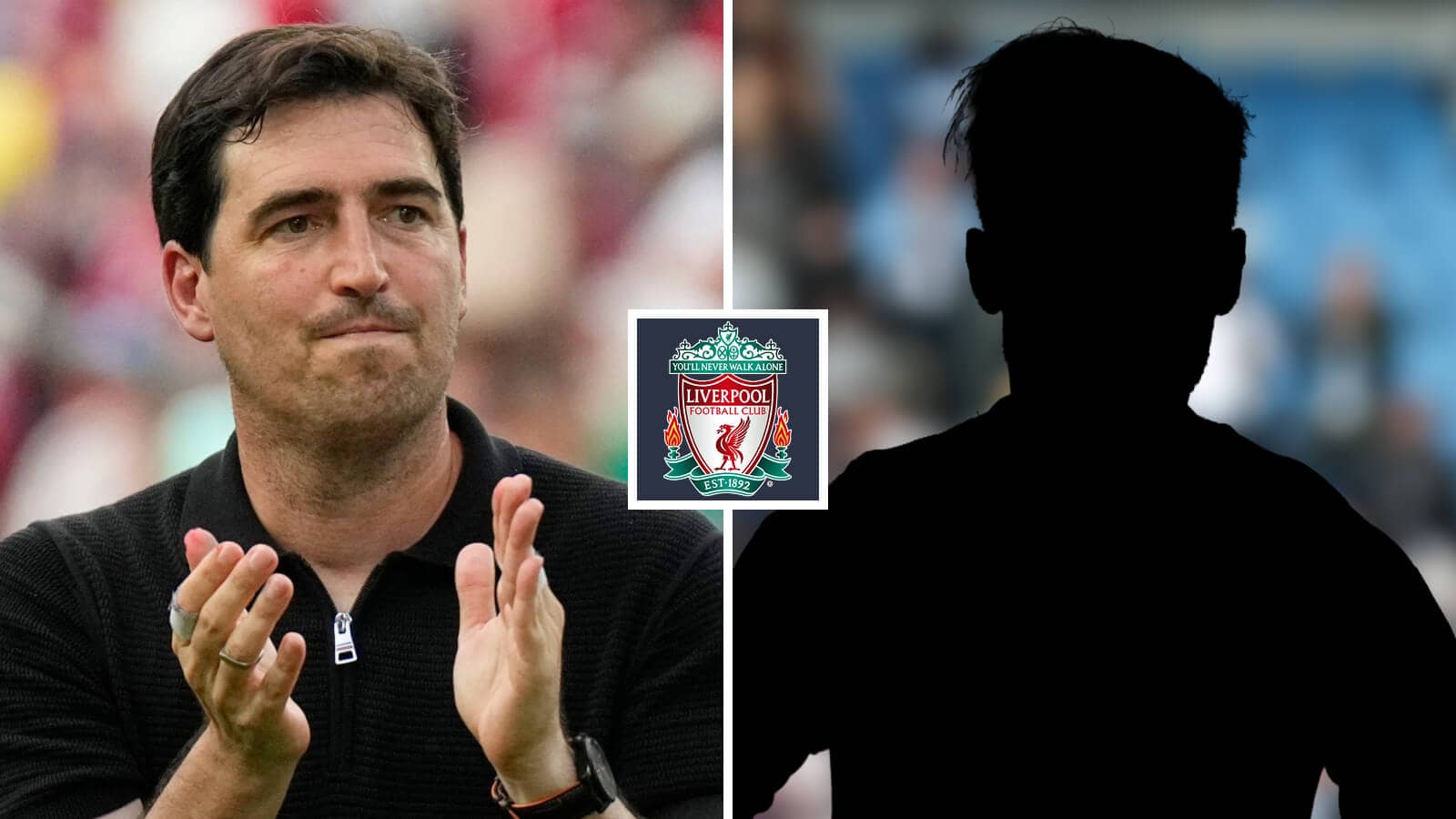
Manchester City's £116m midfield gamble faces an immediate tactical crisis
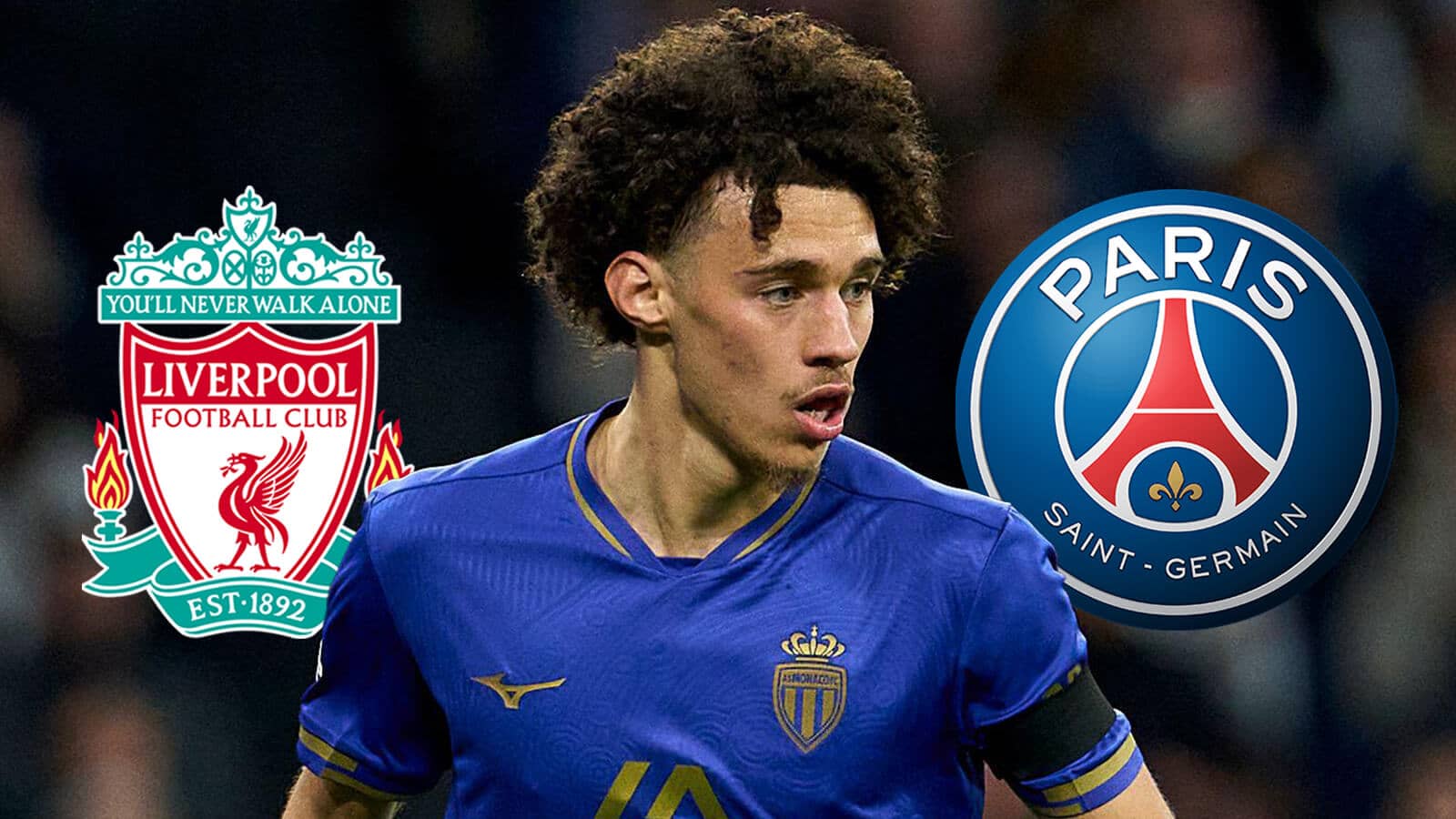
The £116m savior and the immediate structural void
Manchester City's summer business has unfolded with the usual financial noise, headlined by the £116m arrival of Elliot Anderson from Nottingham Forest. The 23-year-old midfielder arrives as the second most expensive British transfer in history, narrowly trailing Morgan Rogers' move to Chelsea. Fresh off an impressive World Cup campaign with England, Anderson made his allegiances clear immediately, claiming he joined the "kings of Manchester" in a direct nod across town. Yet, beneath the marquee presentation and bold soundbites lies a sudden tactical complication that threatens Pep Guardiola's early-season mechanics.
Days after helping Spain lift the World Cup, Rodri is set to undergo surgery, throwing City’s central engine room into disarray. Replacing Rodri has proven to be an impossible mathematical equation for Guardiola over past seasons; the Spaniard is the singular anchor around which City's rest-defense and possession tempo rotate. Without his positional discipline and line-breaking passes from deep, City's midfield structure immediately loses its primary defensive screen and structural balance.
Anderson represents a very different tactical profile than the man undergoing procedure. At Forest, Anderson thrived as a ball-carrying central operator who attacked space in transition, ranking among the top press-breakers in the league. While he has publicly cited Kevin De Bruyne as his blueprint, asking Anderson to absorb Rodri's deep-lying holding duties would be a fundamental misuse of his skillset. If Guardiola deploys Anderson higher alongside De Bruyne's eventual heir duties, City still lacks the defensive security required to protect their backline during counter-attract phases.
The revolving door in goal and squad churn
While the midfield is undergoing an expensive recalibration, City's squad management elsewhere reveals a surprisingly restless ecosystem. James Trafford, who returned to the Etihad just last summer for a record £31m after a spell at Burnley, is already in advanced discussions over a £35m move to Leeds United. Trafford managed just four Premier League outings during the 2025-26 campaign despite going to the World Cup with England. Newcastle United had previously explored a deal for Trafford before shifting focus, leaving Leeds in pole position to secure the goalkeeper.
This willingness to cycle through high-profile talent within twelve months speaks to a reactive recruitment strategy. Trafford was brought in to provide long-term security in build-up play, yet four league appearances later, he is being packaged for an exit. That turnover highlights how tight the margins are in Guardiola's setup; if a player fails to immediately master the specific micro-positioning required in initial phase construction, the door opens quickly.
Off the pitch, the club also finds itself under an unwanted spotlight. Government data released for the 2025-26 season revealed that Manchester City topped the table for football-related fan arrests, surpassing Chelsea. It is an unusual statistic for a club that has spent the last decade projecting an image of clinical, corporate dominance on and off the turf.
European rivals disrupt the market dynamics
City’s internal shifts are occurring against a backdrop of aggressive market maneuvering across Europe. Reports indicate that Arsenal and City have both been monitoring the situation surrounding RB Leipzig star Yan Diomande, where a proposed move to Paris Saint-Germain has encountered friction. According to reports detailing Diomande's situation, Leipzig is attempting to push PSG into finalizing the transfer, opening a potential window for Premier League clubs to intervene if the French champions hesitate over the £102m evaluation.
PSG's concurrent pursuit of Monaco's Maghnes Akliouche has further complicated the European transfer web, effectively closing down speculative hijack hopes from Liverpool. PSG's willingness to hold firm on valuations while simultaneously negotiating multi-front deals demonstrates a level of financial assertion that forces Premier League rivals to act with absolute precision. For City, entering the market for another 100m-plus profile like Diomande would require significant squad balancing, particularly with Anderson already accounting for a massive outlay.
Can Anderson bridge the functional gap?
The core challenge facing Guardiola as pre-season approaches is not talent collection, but functional balance. Anderson possesses elite acceleration with the ball at his feet, exceptional tight-space control, and an aggressive pressing capacity that fits City's high-intensity out-of-possession triggers. During England's World Cup run, his ability to turn under pressure and launch vertical attacks was standard practice.
However, running into space is fundamentally different from controlling space. Rodri's genius lies in his restraint—his willingness to hold position, block passing lanes, and execute simple ten-yard lateral passes that move opposition blocks. If Anderson attempts to play like De Bruyne while Rodri is sidelined, City risks becoming vertically stretched. Opponents will find gaps between City's attacking midfield line and their defensive unit that were previously closed by Rodri's positioning.
I've wanted to play like him,
Anderson noted regarding De Bruyne upon arrival. Emulating the Belgian's creative freedom is a noble ambition, but City's immediate survival while Rodri recovers hinges on structural discipline rather than individual brilliance. Whether Guardiola shifts to a double-pivot system or demands that Anderson curb his forward instincts will dictate how City navigates the opening months of the campaign.
The £116m fee guarantees Anderson a starting berth, but it does not guarantee immediate tactical cohesion. With Trafford heading out the door after four appearances and Rodri heading for surgery, Manchester City's expensive summer transition is starting with far more tactical questions than answers.
Read Next
- Elliot Anderson at Manchester City is a tactical gamble
- Manchester City's summer of chaos: Transfers, injuries and disciplinary woes
- Elliot Anderson to City is peak Premier League chaos
- Rodri injury update: Manchester City star faces surgery in massive blow
- ⭐ UCL 2026 — Champions League Quarter-Finals Hub
adidas FIFA World Cup 2026 Trionda Competition Soccer Ball
The official match-day feel for the 2026 North American tournament.
Frequently Asked Questions
How much did Manchester City pay for Elliot Anderson?
Why is Rodri unavailable for Manchester City?
What is Elliot Anderson's primary playing style?
What is the status of James Trafford at Manchester City?
Why does Pep Guardiola struggle with Rodri's absence?
More Coverage

Man City have been found guilty and the excuses are running out fast
7 hours ago
Why heavy squad rotation blew up across Europe this week
8 hours ago
Celtic need an instant Easter Road response after collapsing against Celta
8 hours ago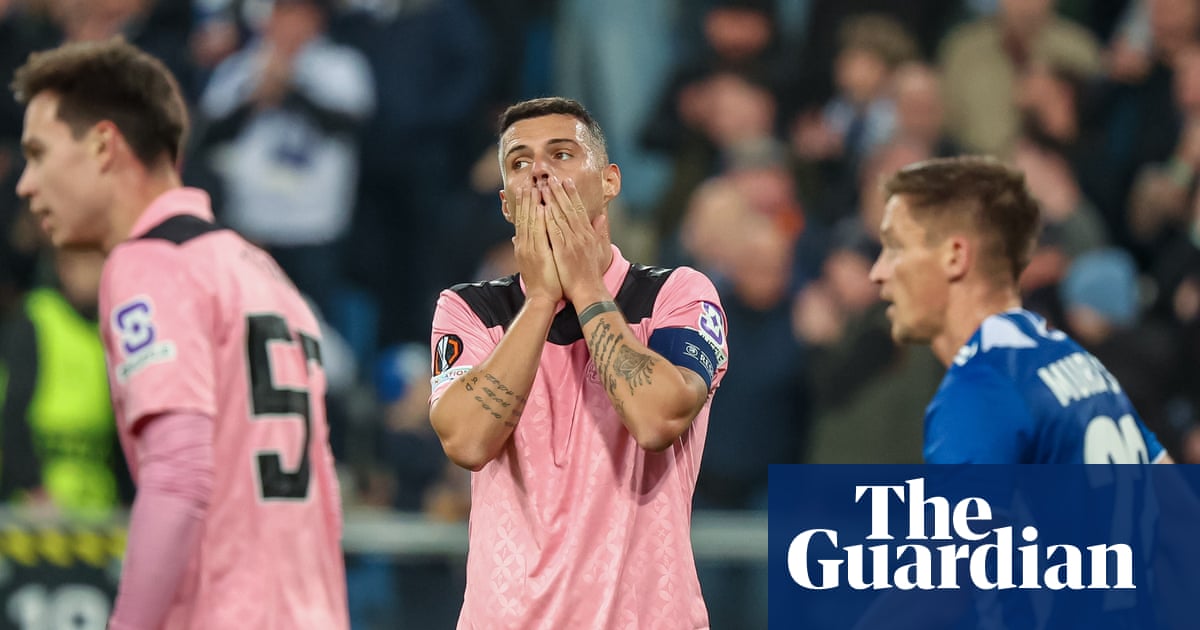
Hearts face a defining European trip to Thun with survival on the line
10 hours ago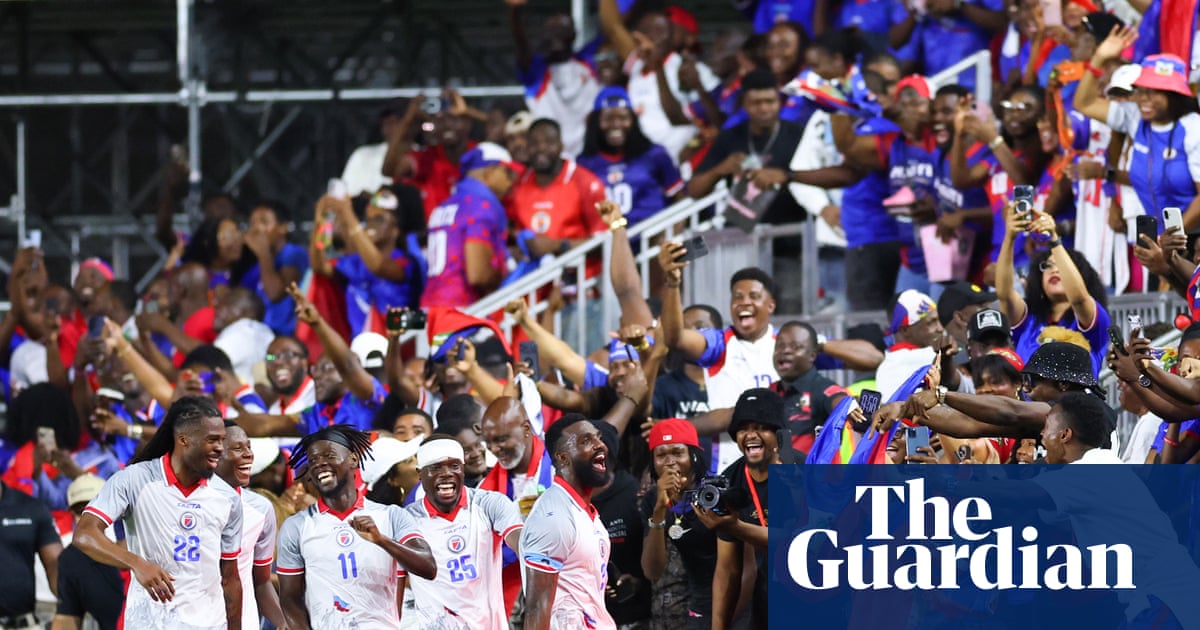
Haiti gave up their home venue to the US, but the math backs them up
12 hours ago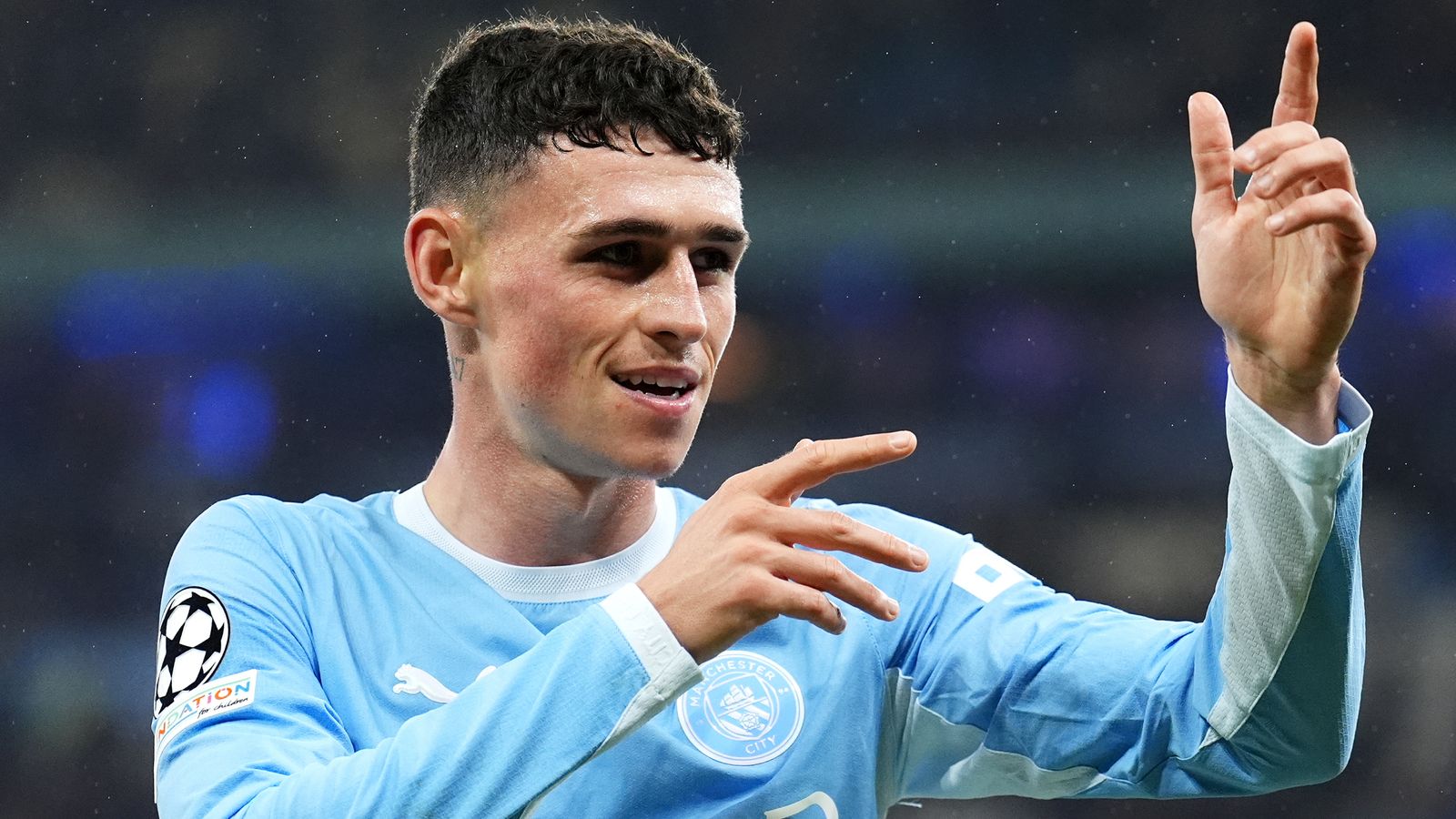
Phil Foden's hat-trick was brilliant, but he still has a long way to go
1 day, 2 hours agoMore Analysis

Man United's rumoured £142m raid on Man City faces a harsh reality check
3 weeks, 3 days agoTrent Alexander-Arnold's Madrid struggle won't end with an Arsenal move
3 weeks, 5 days ago
Man City's guilty verdict has football fans arguing over asterisks
3 weeks, 5 days ago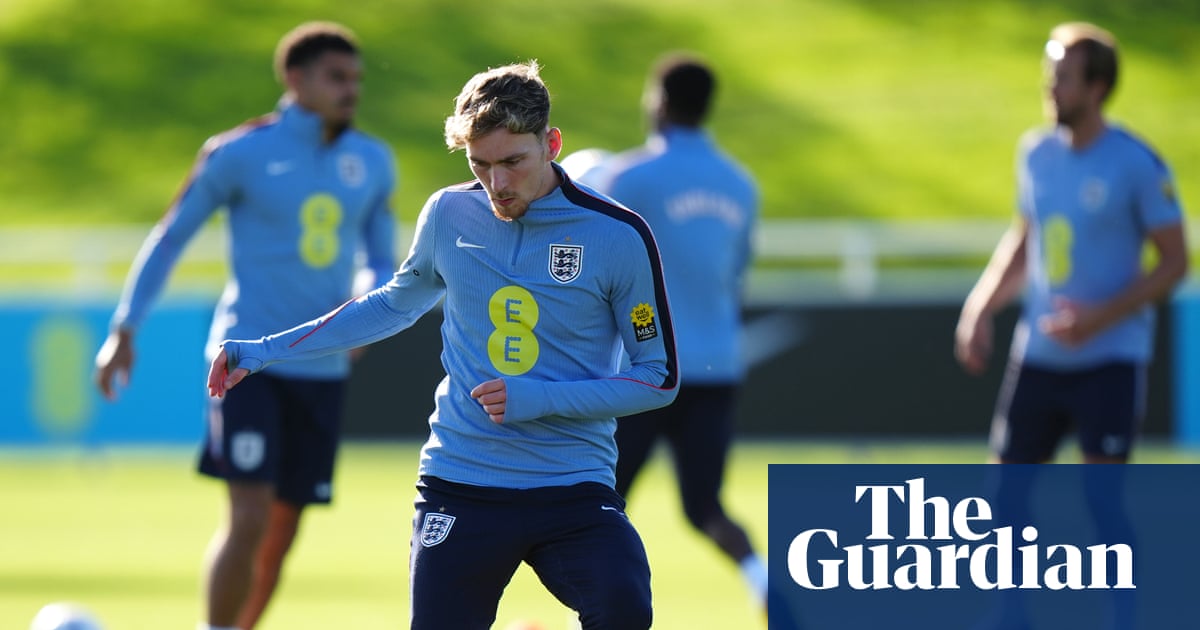
James Garner got called off a Turkish beach to fix England's midfield
4 weeks ago
Harry Kane's numbers make the 2026 Ballon d'Or debate look ridiculous
4 weeks ago