Preseason medical strain hits the Etihad
Manchester City’s medical department is currently bracing for a high-volume week as the squad returns to full-intensity training. Following the conclusion of the Geopolitics World Cup, the physical toll on returning international players has forced staff to implement modified recovery protocols. Dr. Eduardo Santos and his team are managing a cluster of soft-tissue fatigue cases that emerged during the first 72 hours of camp.
The club is monitoring workload data closely to prevent long-term exposure. Sources within the training facility indicate that excessive volume during the initial load-bearing phase contributed to at least three minor hamstring strains. These players are currently confined to individualized rehab sessions in the gym rather than participating in full-squad tactical drills.
The Elliot Anderson integration timeline
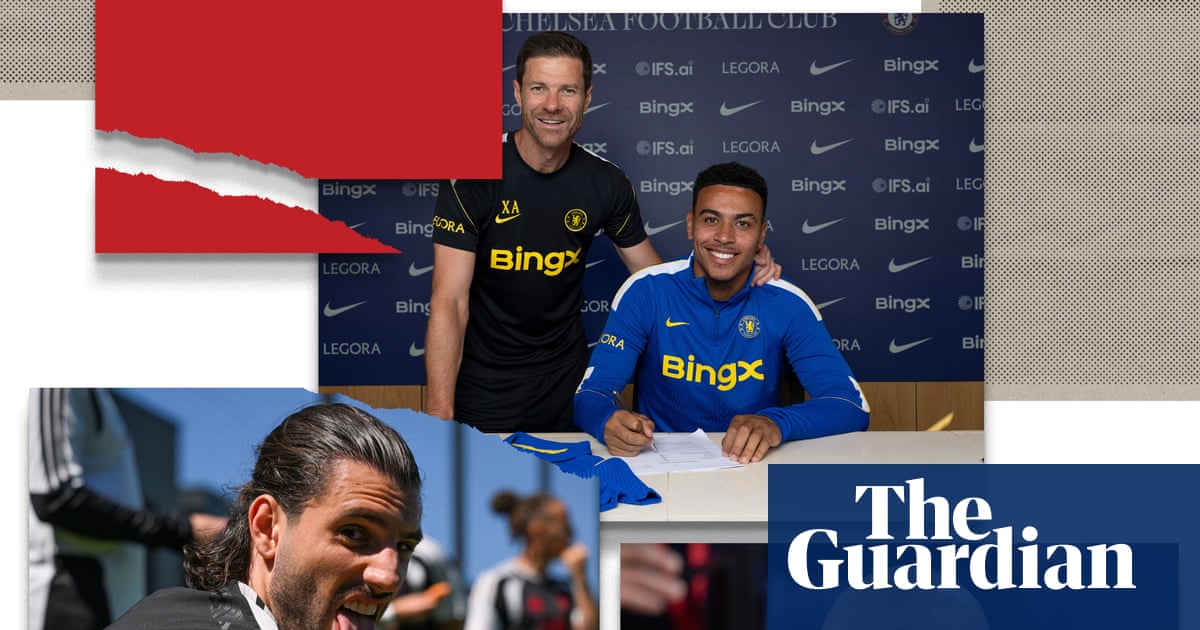
The arrival of Elliot Anderson for a confirmed fee of £116m has naturally dominated the headlines. However, his physical readiness is the immediate challenge for coaching staff. Anderson arrived with residual tightness in his lower back, a recurring issue that forced him to miss the final qualification match of the international break in June.
City’s performance coaches are prioritizing a conservative approach to his integration. He is unlikely to feature in the opening friendly matches as the club attempts to avoid the chronic aggravation that hindered his performance in early 2025. This is a recurring pattern for high-value arrivals at the Etihad, where depth typically allows for a slower, more deliberate ramp-up period.
Broader implications of the summer window
As The Guardian reported, the financial mobility displayed by Manchester City this month has set an aggressive tone for the domestic market. Clubs are struggling to balance the demand for immediate results with the reality of an exhausted squad. The financial disparity is widened when top-tier clubs can afford to sit players for extended recovery while mid-table teams are forced into aggressive rotation.
The current scheduling strategy highlights a disconnect between commercial demands and physiological limits. Teams are being asked to maintain high intensity despite a lack of transition time between tournament play and domestic obligations. This creates an environment where soft-tissue injuries become inevitable, not anomalous.
Strategic concerns for the upcoming campaign
Management is under pressure to rectify the rotation policy that backfired in the latter stages of last season. Critics have pointed out that the failure to offload aging defensive assets left the backline vulnerable to exactly this kind of fatigue-based breakdown in July. The club’s willingness to drop £116m on a single midfielder emphasizes a top-heavy squad philosophy that ignores defensive reinforcement.
Historical data suggests that teams which push players through early-season fatigue often see a regression in performance index during the winter months. City remains an outlier due to their deep bench, yet the reliance on specific core personnel remains a structural risk. The medical report will dictate the starting XI for the season opener, potentially opening a path for academy prospects to see unexpected minutes.
The club has confirmed that formal recovery schedules will be reassessed on July 28. Until then, the focus remains on isolated strengthening and non-contact movement. There is no plan to accelerate any recovery timelines, regardless of tactical necessity.
Read Next
- Elliot Anderson faces early setback after record-breaking Manchester City move
- Elliot Anderson injury rocks Man City just days after record transfer
- Phil Foden is officially Man City’s forever player
- Life at Manchester City without Pep Guardiola starts now
- ⭐ UCL 2026 — Champions League Quarter-Finals Hub