Sophie Barker Points to Transfer Strain at Chesterfield Inquest
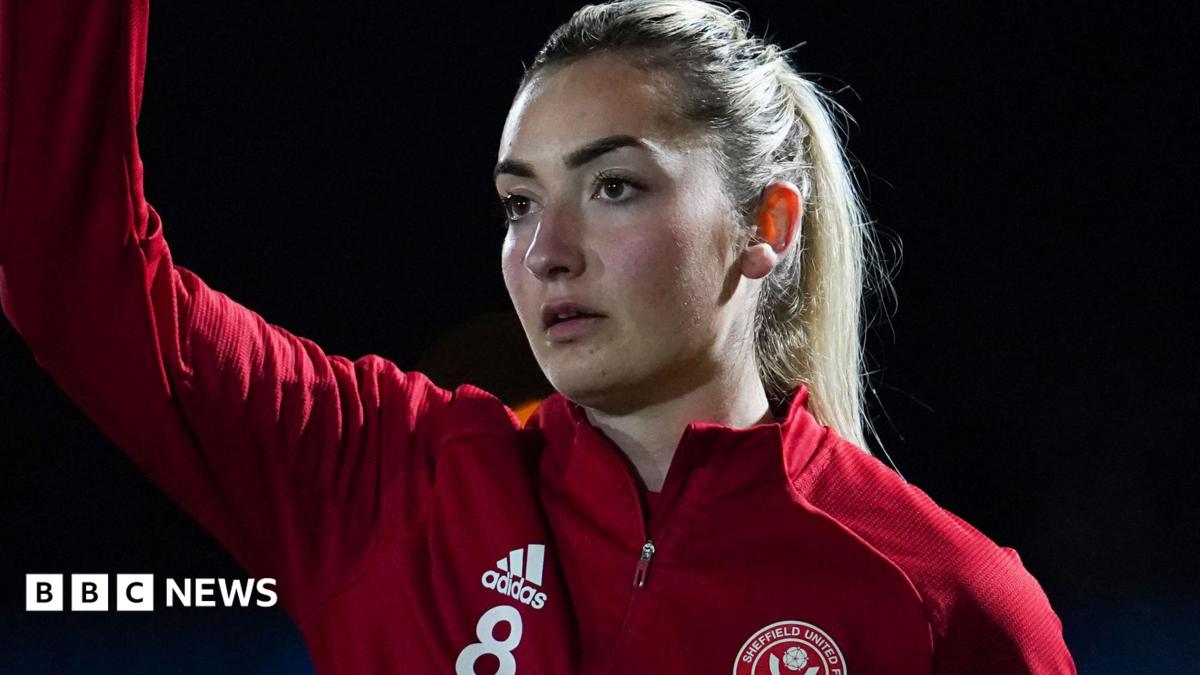
The Chesterfield Coroner’s Court has laid bare the intense pressure cooker of women’s football. On Wednesday, former Sheffield United captain Sophie Barker testified that the relocation of midfielder Maddy Cusack’s partner was the primary driver behind the player's mental health decline. Barker’s testimony shifted the focus of the inquest, pointing to the sudden departure of teammate Grace Riglar to Lewes FC in the summer of 2023.
According to reports from Sky Sports, Barker told the court that she believed the midfielder would still be alive had the move not occurred. She described Cusack as infatuated with Riglar, feeling left behind when the contract offer did not materialize for her partner. This account, also detailed in coverage by the Daily Mail, painted a picture of deep personal isolation during a critical phase of the club’s development.
Barker testified that Cusack became quieter and more reserved in the months before her death on September 20, 2023. While the captain offered reassurance that the relationship remained intact, the physical distance proved too heavy a burden for the midfielder. Yet this personal strain collided with a highly volatile working environment under a new manager.
The former captain admitted that Cusack did not share the details of her work struggles with her directly. Barker believed this was because Cusack knew the captain would immediately confront the coaching staff on her behalf. This left Cusack isolated, facing pressure from multiple sides without her usual support system nearby.
The Coaching Clash: Morgan’s Appointment and "Mind Games"
While the captain highlighted the relationship breakdown, the Cusack family pointed the finger directly at the coaching staff. The player's father, David Cusack, told the court that his daughter, who was aged 27, was dismayed by the appointment of Jonathan Morgan in February 2023. Her family’s legal representative argued that Morgan's behavior at Leicester City and Sheffield United was the principal cause of her decline.
Grace Riglar testified that Morgan’s arrival triggered immediate anxiety for Cusack. Riglar claimed that Morgan played mind games, targeted Cusack’s weight, and referred to her as a psycho, altering her eating habits. She feared speaking out would lead to further ridicule or benching.
As the BBC reported, Cusack struggled to cope with the combined weight of these professional and personal upheavals. The midfielder felt her omission from the starting lineup was a personal attack. This toxic combination of manager hostility and personal isolation left the player with no clear support structure.
Maddy would still be here if Grace hadn't moved.
Morgan, who is representing himself at the inquest, has denied all allegations of bullying. He questioned witnesses on their specific recollections of his comments, challenging the timeline of events. The former manager maintains that his actions were standard professional coaching decisions aimed at fitness and performance.
The clash between these two narratives—the personal heartache of a partner's departure versus allegations of managerial bullying—underlines the complex web of pressures on female athletes. For Cusack, these two forces did not operate in isolation. They compounded each other, magnifying the stress of her day-to-day life at the club.
The Rushed Transition to Full-Time Status
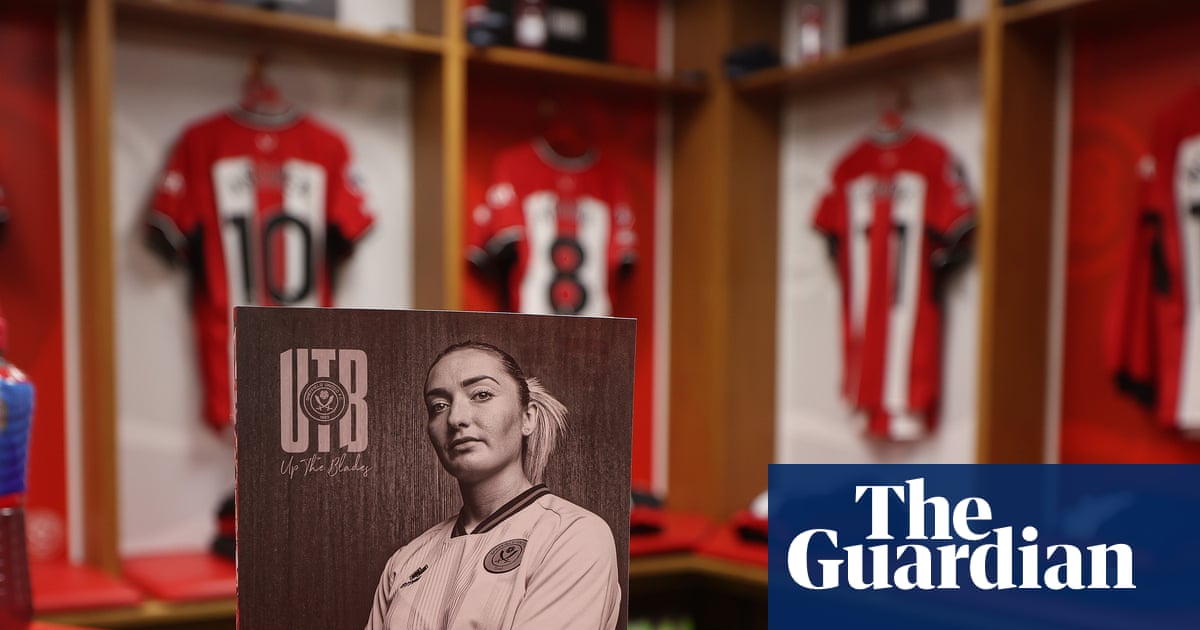
The inquest did not just focus on individual relationships. It exposed the systemic failures of Sheffield United’s rushed transition to a professional playing model in 2023. Former head physiotherapist Francesca Carr testified that the club lacked the resources to support its squad, forcing staff to perform duties outside their formal roles.
Carr revealed that players did not know where to go for mental health support during this high-stress transition. Cusack herself signed a full-time playing contract in June 2023 but continued to work in the club's marketing department. Her father described this dual-role arrangement as a shambles that forced his daughter to work seven days a week.
This is the critical flaw in the modern women's football boom. Clubs are chasing professional status to compete, but they are failing to build the basic safeguarding systems to protect their players. Sheffield United cleared Morgan of wrongdoing in an internal inquiry in December 2023, a decision that looks increasingly questionable given the testimonies heard in Chesterfield.
The transition period saw the club awarded a Category One Professional Game Academy licence. However, the structural changes on paper did not match the reality on the ground. Physical and mental health support remained under-resourced, leaving players to navigate professional demands with amateur-level backup.
Carr’s testimony also highlighted a lack of clarity in reporting lines. Staff were too busy managing their own workloads to identify players in distress. The inquest heard that Carr had raised concerns about Cusack's welfare with Morgan, but these warnings did not lead to effective intervention from the hierarchy.
Strategic Fallout and the Path Ahead
The wider industry is watching these proceedings closely, exposing the massive gap in duty of care between the men's and women's games. Competitors in the Women's Championship and WSL are now under pressure to audit their player support structures. Rushing a transition without dedicated mental health personnel is a risk that clubs can no longer afford to take.
The inquest is scheduled to continue through July 2026. Sheffield United’s chief executive, Stephen Bettis, has had his evidence session rescheduled to July 8, 2026, due to the volume of material. Jonathan Morgan, who is representing himself at the hearing, will also take the stand to address the verbal abuse claims.
The final coroner's report will likely demand systemic changes from the Football Association, including mandatory independent mental health officers. Until clubs separate player welfare from the coaching hierarchy, players will continue to suffer in silence. The resolution of this inquest will define the regulatory requirements for women's football for the next decade.
The tragedy has already forced a recalculation of how clubs handle player departures. Riglar’s exit to Lewes, driven by Sheffield United’s decision not to offer her a contract, highlights the human cost of squad management. Clubs must now consider the social and psychological impact of transfer decisions on their remaining squad members.
Ultimately, the Sheffield United inquiry's conclusion of no wrongdoing in December 2023 has done little to satisfy the family or quiet the public debate. This pattern of internal clearing followed by public inquest revelations is a familiar trope in sports disputes, mirroring similar historic clashes between club-run investigations and judicial scrutiny. The coming weeks will determine whether the football authorities will force clubs to prioritize player lives over commercial promotion.
Read Next
- Sheffield United and Lewes meet under the heaviest shadow in English football
- Spurs agree record £100m Sandro Tonali deal to launch De Zerbi revolution
- Tuchel is marching England into a tactical trap at the Azteca
- England are walking into a brutal tactical trap at the Azteca
- 🏟 EFL Championship 2025-26 — Promotion Race & Play-Off Final Hub