The Clinical Reality at Old Trafford
Manchester United’s vital signs look alarming on November 6, 2026. Tuesday night’s 3-2 comeback victory over Roma at Old Trafford delivered theatrical drama, but it failed to repair the underlying damage. That chaotic victory was an anomaly rather than evidence of recovery.
Defensive instability continues to gut Michael Carrick’s side in the early weeks of the 2026/27 campaign. Heavy beatings against Como and Bournemouth exposed structural flaws that one frantic European finish cannot conceal. United look fragile out of possession, disorganized during defensive transitions, and persistently rattled under sustained pressure.
The statistical profile confirms the severity of the crisis. Across all competitions this season, Carrick’s side has registered just one clean sheet. That solitary shutout came against a Champions League debutant founded in 2017, four years after Alex Ferguson stepped down.
Opponents no longer fear visits to Manchester. Bournemouth sliced through United with minimal resistance, while Como dictated tempo across ninety minutes. The back line offers no reliable shield for the goalkeeper, surrendering high-quality chances whenever opponents break forward.
Carrick stepped into the dugout carrying goodwill as an ex-midfielder from the title-winning years. Yet nostalgia does not prevent defensive collapses. The squad currently operates with zero stability, leaving players looking physically drained and tactically exposed.
Forty Years of History Versus Thirteen Barren Years
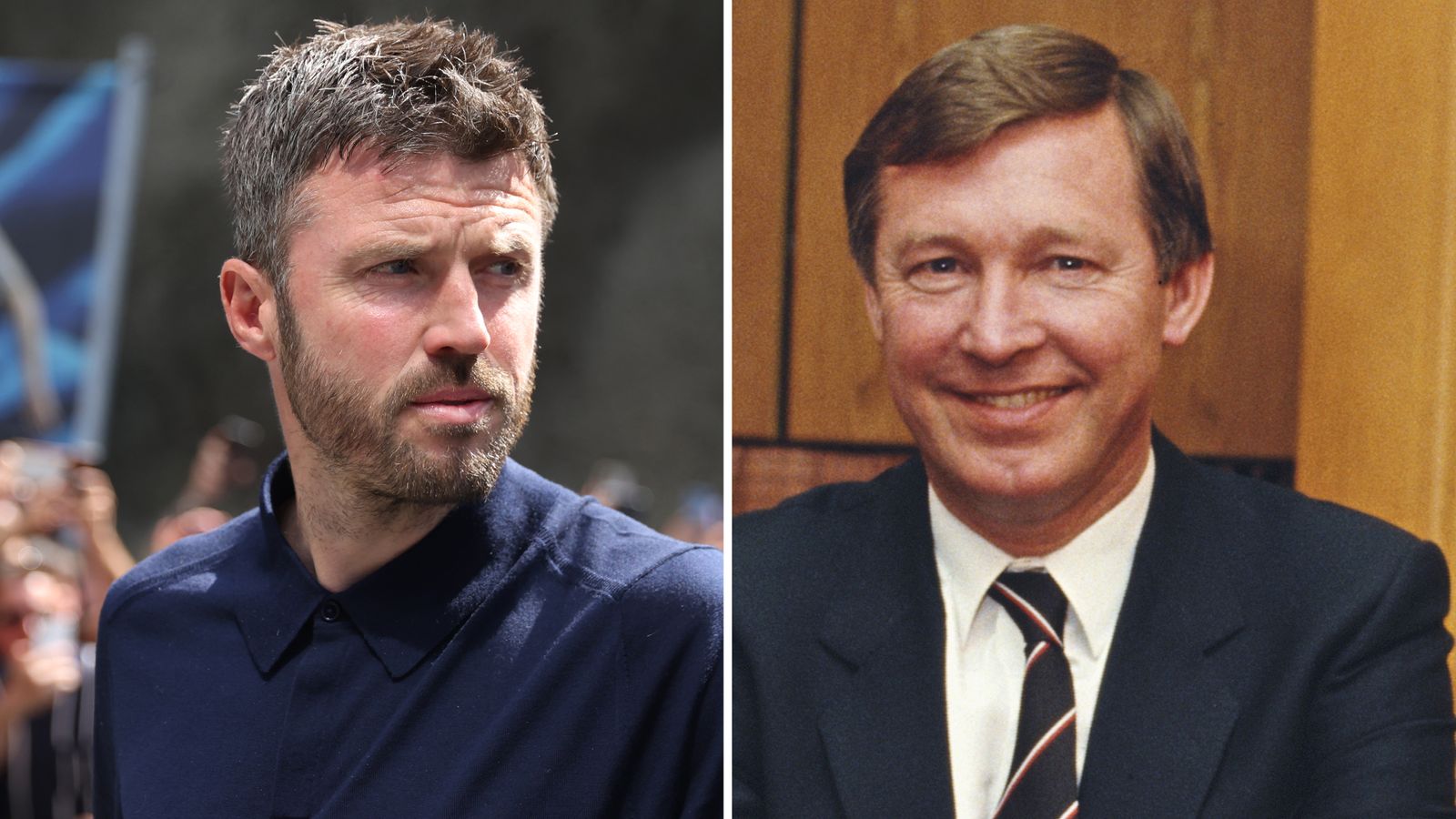
The timing of this slump carries heavy symbolic weight. Exactly forty years ago, on November 6, 1986, former chairman Martin Edwards altered English football history by appointing Alex Ferguson. At the time, skeptics viewed the move as an enormous gamble.
Edwards convinced the Scottish manager to depart Aberdeen, walking away from absolute security in his home country. As Mirror Football reported on the anniversary, Ferguson made the jump despite enormous professional risk.
"the most secure job in British football"
Ferguson survived intense pressure during his early tenure, famously skirting dismissal in 1990 before securing his first silverware. That patience yielded twenty-six seasons of dominance, producing 38 trophies, thirteen Premier League crowns, five FA Cups, two European Cups, and the 1999 Treble.
That era feels like ancient history. United now navigate a barren stretch spanning 13 years without a league championship. The organization has drifted into persistent mediocrity, chasing shadows while standards collapse across the entire sporting operation.
Ferguson is now 84 years old. He still sits in the directors' box, watching the decline unfold from the stands. Carrick confirmed publicly that he still consults the legendary boss for counsel, but external advice cannot fix on-pitch tactical deficiencies.
Having Ferguson present at matches provides little practical comfort for supporters. Instead, his presence acts as a painful reminder of what the club used to represent. The gulf between past triumphs and current dysfunction widens with every disjointed performance.
Institutional Trauma and Off-Pitch Attrition
The rot extends far beyond the technical area and tactical briefings. The Glazer family continues to extract commercial value while leaving the club weighed down by substantial debt. Their ownership model prioritizes global brand visibility over competitive excellence on the pitch.
The arrival of Sir Jim Ratcliffe and INEOS two and a half years ago has not reversed the malaise. Rather than rejuvenating the workforce, Ratcliffe initiated an aggressive cost-cutting drive that crushed staff morale. Departmental cuts and budget reductions have damaged the working environment behind the scenes.
Physical decay mirrors the sporting decline. Supporters visiting Old Trafford frequently endure drenching downpours due to the stadium's notorious leaky roof. Protests against both the Glazers and INEOS remain regular features of matchday routines in Manchester.
Staff members feel alienated, while players perform without clear structural direction. When an organization suffers systemic distress from the boardroom down, players rarely produce disciplined, cohesive performances under match pressure. The internal tension bleeds directly into the matchday squad.
Commercial revenue remains robust because international marketing shields the bottom line. But commercial wealth without sporting competence produces hollow victories. Fans see through corporate spin when mid-table sides routinely dominate possession at Old Trafford.
The Carrick Dilemma and the Villa Prognosis
Michael Carrick finds himself operating in dangerous territory. The dramatic midweek comeback against Roma bought valuable breathing room, yet everyone inside the building knows the reprieve is temporary. European drama cannot substitute for Premier League consistency.
Carrick often opens his media conferences with references to past traditions and historical standards. These historical reminders sound hollow to supporters who witnessed the humiliations against Como and Bournemouth. Rhetoric about past standards cannot fix a fractured offside trap or sluggish transition defense.
A pivotal test arrives this weekend against Aston Villa. Carrick urgently requires another positive outcome to maintain his job security ahead of the impending international break. Dropping points at home could force ownership into urgent leadership evaluations before domestic action resumes.
New leadership figures Omar Berrada and Jason Wilcox carry the responsibility of rebuilding football operations. Both executives arrived to establish elite recruitment practices and modernize club standards. Yet their project remains trapped in the wreckage of previous failed cycles.
Rebuilding a winning identity demands ruthless decision-making. If Carrick cannot organize his back line against Villa's energetic attack, Wilcox and Berrada will face mounting external scrutiny. The club cannot afford another wasted winter trailing European qualification places.
Tactical Breakdown: Why the Roma Victory Masks Ongoing Vulnerabilities
Examining the 3-2 victory over Roma reveals clear warning signs rather than genuine progress. United required desperate second-half surges to overturn deficits after conceding soft opportunities early. Relying on chaotic comebacks is an unsustainable long-term tactical strategy for any elite squad.
Italian side Como dismantled United's midfield shape weeks earlier by exploiting vacant spaces between the lines. Bournemouth deployed similar wide overloads to punish static full-backs during their emphatic triumph. These repeated defensive failures prove that opponent analysts have decoded Carrick's defensive setup.
The lone clean sheet against European debutants merely underscores the broader scoring vulnerability. That club only came into existence in 2017, representing modest European competition compared to Premier League opposition. Against battle-tested domestic sides, United consistently concede multiple high-probability scoring chances.
Carrick must establish defensive cohesion immediately if he hopes to survive the winter fixtures. Midfield cover has been erratic, leaving center-backs isolated in open turf against rapid wingers. Without immediate tactical adjustments, Villa will exploit those exact channels on Saturday.
Immediate Priorities for Survival
To navigate the coming fixtures without further damage, Carrick's group must address three urgent operational weaknesses:
- Stop conceding cheap transition goals against counter-attacking opponents.
- Secure a positive result against Aston Villa before the international break.
- Restore defensive discipline after managing just one clean sheet all season.
Strategic Reality Check for Berrada and Wilcox
Berrada and Wilcox cannot solve these foundational problems overnight. The sporting directors must decide whether Carrick possesses the tactical authority to halt the current slide. Consulting Ferguson provides historical perspective, but modern football operations require tactical precision and athletic dominance.
United's competitors continue to build modern squads with cohesive tactical identities. While rivals invest with clear sporting visions, United remain burdened by financial debt, unsettled staff, and physical stadium decay. The gap between ambition and reality continues to paralyze the institution.
The coming days will determine whether Carrick navigates the international break intact. As highlighted in the 40-year anniversary analysis, nostalgia cannot mask current decay. At Old Trafford, forty years after Ferguson's arrival, the search for stability remains unresolved.
Read Next
- Michael Carrick thinks United can match Fergie, but time is running out
- Michael Carrick's Man United are living on the edge of chaos
- Man United's kit is already half-price and it makes zero sense
- Man United finally won a game and nobody in the boardroom looks happy
- 🏆 Europa League Final 2026 — Full Coverage Hub