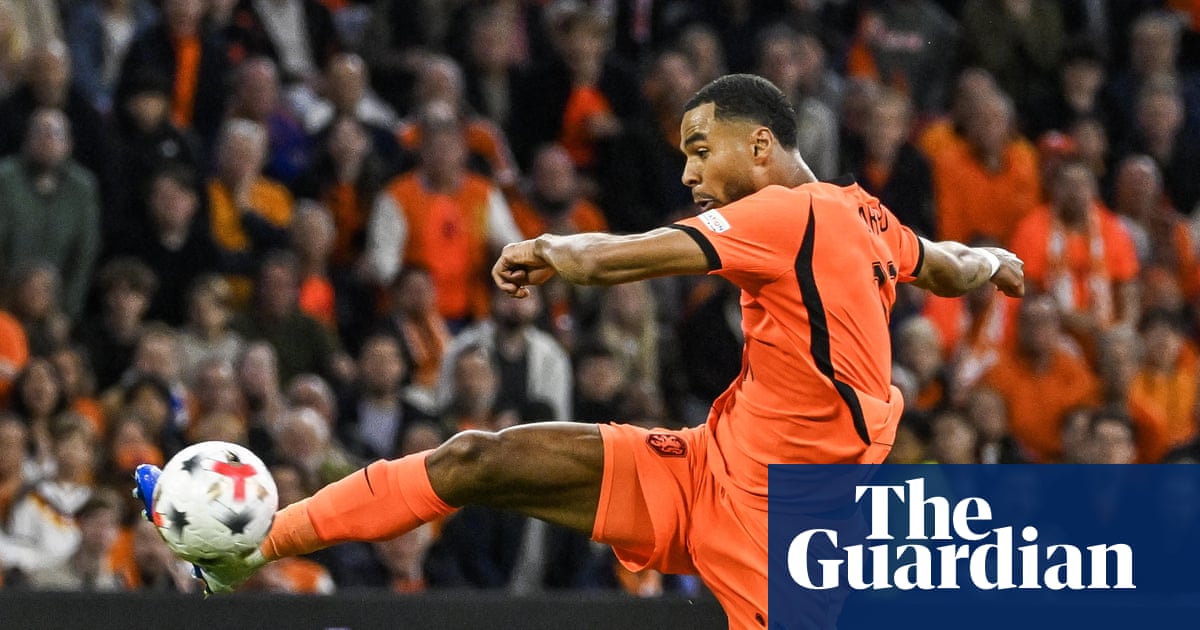
Zero Premier League minutes. That was Tyler Morton's entire contribution to Arne Slot's title-winning 2024/25 campaign before Liverpool sold him to Lyon for £15m. Fast forward 14 months, and Liverpool sit 6th in the table after five matches, trailing Manchester City by six points while agonizing over their central midfield options.
The numbers from France paint a damaging picture for Liverpool's recruitment staff. Morton has already logged 10 appearances for a Lyon side sitting second in Ligue 1, just two points behind Paris Saint-Germain. His rapid ascent in Ligue 1 has caught the eye of Juventus, forcing Liverpool to evaluate a costly buy-back operation for a player they willingly discarded.
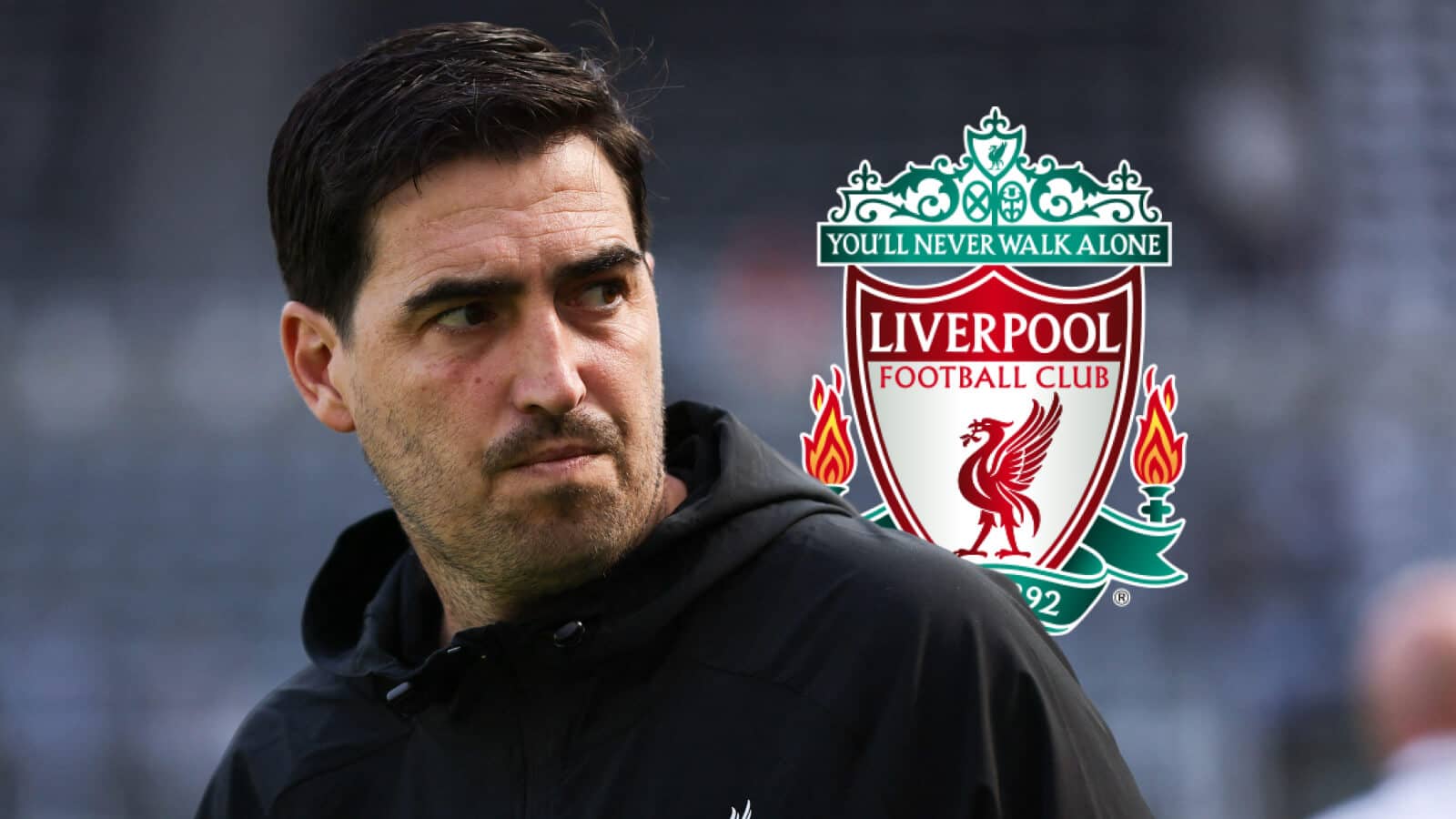
Andoni Iraola's opening five league matches have produced solid foundations, capped by a gritty 1-0 away victory at Bournemouth. Yet, beneath the surface lies a persistent structural imbalance that threatens Liverpool's domestic and European ambitions. As 18 first-team players head out on international duty, Iraola faces an urgent tactical puzzle before City arrive at Anfield on October 11.
The Cost of Premature Sales in the Pivot
Liverpool's central midfield turnover has created a visible deficit in ball retention. Selling Morton for £15 million in the summer of 2025 looked like standard squad pruning at the time. Today, it looks like a miscalculation of tactical profiles.
Under Jurgen Klopp, Morton showcased high-volume pass completion and positional discipline in deep areas during his 2021 breakout. His subsequent loan spells at Blackburn Rovers and Hull City provided raw developmental minutes. He averaged over 65 pass attempts per 90 minutes in the Championship while maintaining an 87% completion rate under heavy pressure.
Yet Slot never trusted him in Premier League action. Morton sat frozen on the bench throughout Liverpool's championship run, accumulating zero league minutes. That total neglect forced a transfer to France that now looks remarkably shortsighted.
At Lyon this season, Morton has anchored a midfield unit that concedes just 0.85 expected goals (xG) per match. His 10 appearances have featured elite ball progression numbers, ranking in the top 15% among Ligue 1 midfielders for progressive passes into the final third. He averages 2.4 tackles and 1.8 interceptions per 90, providing structural security for a side pushing PSG to the wire.
Compare those figures to Liverpool's current central combinations. Iraola's double-pivot has struggled to control transitions when opposing teams press high. In their opening five matches, Liverpool have surrendered 14 open-play shots from high turnovers, a stark regression from their title-winning defensive metrics.
Why Morton Fits Iraola's Press-and-Recycle Model
Iraola's tactical philosophy relies on vertical speed paired with immediate counter-pressing. When the first line of pressure breaks, the double-pivot must execute split-second defensive recoveries while retaining composure under pressure. Morton excels precisely in those transitional moments.
In Ligue 1, Morton completes 91% of his short passes under opposition pressure. He rarely panics when receiving the ball with his back to goal. Liverpool's current central options, by contrast, have turned over possession 12 times per match in their own half through five league fixtures.
Juventus have recognized this tactical value. The Italian giants are actively monitoring Morton to solve their own age-profile issues in central midfield. If Liverpool want him back, they will likely have to pay double the £15m fee they accepted just over a year ago.
Re-signing an academy product at a massive premium is an embarrassing admission of internal scouting failure. But with six points already dropped in five matches, Iraola cannot afford pride over production.
The £47 Million Araujo Option: Value or Patchwork?
While midfield questions linger, Liverpool's defensive retooling presents a far more promising mathematical case. Ronald Araujo's arrival on loan from Barcelona has provided immediate physical authority to Iraola's backline. Liverpool possess an option to make the move permanent next summer for £47 million.
The 27-year-old Uruguayan took a voluntary pay cut to facilitate his move to Merseyside. He has already purchased a family home near the training ground and hired a private English tutor. Off-field commitment is matched by on-field tactical versatility.
Araujo began the season in his natural central defensive role before Iraola shifted him to right-back. The tactical adjustment paid immediate dividends. Across five appearances, Araujo has won 74% of his ground duels and 81% of his aerial contests.
Those duel win rates represent a massive upgrade over Liverpool's previous right-back rotation. In the 1-0 win at Bournemouth, Araujo won eight of his nine individual duels and registered five clearances. He effectively locked down the right flank against dynamic wing play.
At £47m, the transfer decision appears straightforward on paper. Modern defenders with elite speed, central-side hybrid capability, and top-tier aerial dominance command far higher market fees. Securing Araujo permanently would solve two positions with a single contract.
Hybrid Defending vs Traditional Width
However, Araujo's tactical deployment at right-back introduces a major trade-off in build-up structure. He is a defensive stopper, not an overlapping creator. His heat maps show heavy activity inside his own half and along the right channel, but minimal penetration near the opposition penalty box.
Araujo averages just 0.4 accurate crosses and 1.2 progressive carries per 90 minutes. When Liverpool push forward, his reluctance to overlap leaves the right winger isolated against double coverage. Opponents have quickly picked up on this asymmetric dynamic.
In their opening five fixtures, 48% of Liverpool's attacks have funneled down the left wing. This positional imbalance makes Iraola's team far more predictable to defend against. Opposing defensive blocks simply shift low toward the left, daring Araujo to beat them with creative passing.
This structural limitation highlights Iraola's tactical conundrum. Araujo makes Liverpool significantly harder to score against, but his inclusion limits fluidity in possession. Paying £47m makes financial sense, but Iraola must adapt his attacking geometry to compensate for the missing overlap.
The Wirtz Calibration and the International Window
The biggest tactical question mark hanging over Iraola involves Florian Wirtz. The German playmaker arrived with enormous expectations, but his integration into Iraola's system has been frustratingly slow. Through five Premier League games, Wirtz has recorded just one assist and zero goals from open play.
Wirtz's underlying numbers explain the disconnect. At Leverkusen and currently with Germany under Jurgen Klopp, Wirtz thrives in a free-roaming central pocket. Under Klopp's national team setup during this international break, Wirtz averages 72 touches per match, operating as the main creative fulcrum.
At Liverpool, Wirtz's touch count has plummeted to 48 per match. Iraola's rigid wing structure often forces Wirtz into wider zones where he cannot dictate tempo. When Liverpool's double-pivot fails to bypass the first press, Wirtz is left starved of service between opposition lines.
Having 18 first-team players away on international duty leaves Iraola with minimal training ground time to address this disconnect. Wirtz working under Klopp with Germany offers a sharp reminder of what the playmaker looks like in a fluid, dominant possession system.
If Iraola cannot unlock Wirtz's central creativity, Liverpool's attacking xG will remain suppressed. Averaging just 1.34 open-play xG per match over their opening five fixtures is nowhere near title-winning output.
The October 11 Crossroads and the 114-Charge Backdrop
All of these statistical trends converge on October 11, when Liverpool face Manchester City. City lead the Premier League table after five matches, maintaining flawless pitch results despite massive off-field turmoil. City were found guilty on 114 of 115 charges brought by the Premier League, with a potential points penalty still hanging over them.
Liverpool sit sixth in the Premier League after five games, six points behind Manchester City ahead of their crucial October 11 showdown.
Yet on the pitch, City remain relentless. They average 2.4 expected goals per game and lead the league in high-turnover recoveries. Liverpool's six-point deficit means an October defeat would effectively drop Iraola nine points behind the pacesetters before mid-autumn.
Relying on Premier League disciplinary panels to hand City a massive points penalty is a dangerous strategy. Liverpool must earn their standing on the pitch through tactical evolution and smarter squad management.
The contrast between Morton's emergence at Lyon and Liverpool's midfield struggles exposes a flaw in recent roster planning. While Araujo's defensive numbers justify triggering his £47m option, central midfield remains the team's true vulnerability.
If Iraola wants to turn a solid start into a genuine title challenge, Liverpool must fix their double-pivot math. That begins with acknowledging their past transfer mistakes before the gap at the top becomes insurmountable.
Read Next