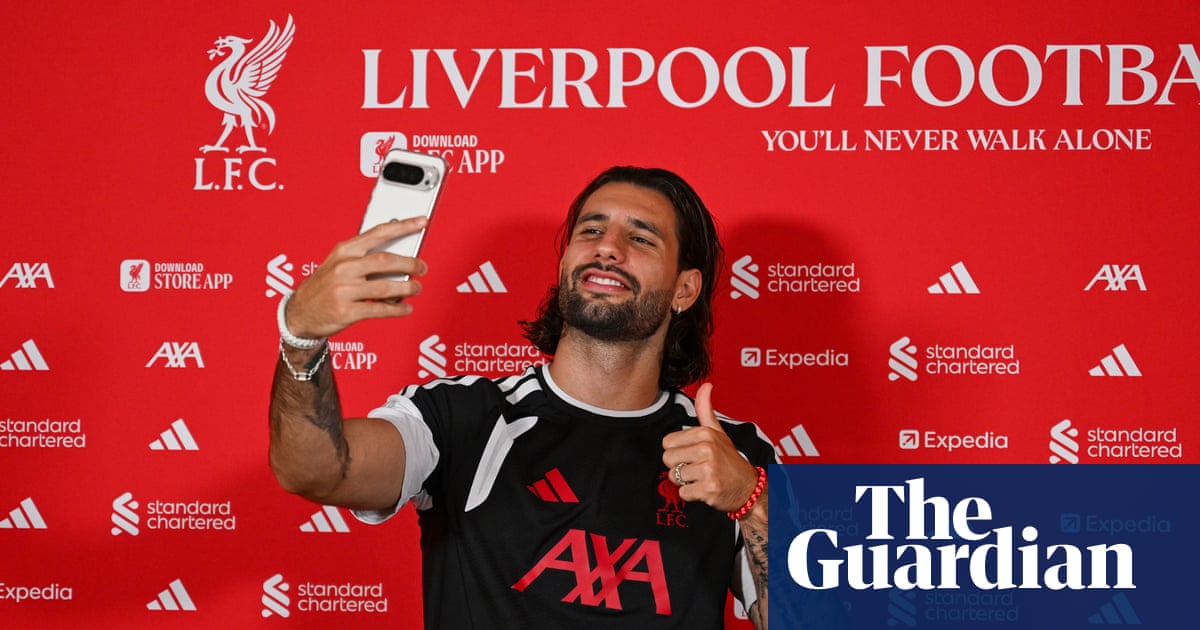
The midfield reconfiguration at Anfield
Liverpool’s technical staff is navigating a precarious period of roster management. While Dominik Szoboszlai committed his long-term future to the club yesterday, signing a deal through 2031, the physical demands placed on the midfield rotation have become an immediate focus for medical teams.
The intensity of the Premier League schedule necessitates a high turnover in minutes. As The Guardian reported, the stability provided by the Hungarian’s extension is a win for Andoni Iraola. However, the reliance on high-intensity pressing metrics creates an inevitable wear-and-tear cycle that even the most elite players struggle to escape.
The cost of high-intensity play
Modern ball-winning midfielders are currently experiencing a spike in soft-tissue complaints. The reliance on players to cover 11.5 kilometers per match frequently pushes biological limits to the breaking point. Players tasked with the specific defensive role of shielding the back four see the highest concentration of fatigue-related strain injuries during training blocks.
Historically, aggressive transition teams suffer in late winter once the accumulation of micro-trauma hits critical mass. When a team loses a primary transition engine for even a three-week window, the drop in ball progression frequency is statistically significant. Data suggests that teams maintaining a press of this caliber without rotation suffer a 15% dip in defensive pressure metrics by the third month of the campaign.
Competitive implications
Competitors like Aston Villa are currently exploring market moves to bolster their own transition depth, as evidenced by their pursuit of João Gomes. The failure to account for physical degradation over a 38-game season is a strategic error that often separates title contenders from those fighting for European spots.
Liverpool's ability to retain, refresh, and replace remains their most vital competitive advantage. If the medical staff miscalculates the recovery curve for key contributors during this transition phase, the tactical system implemented by Iraola becomes fundamentally unsustainable.
The risks of tactical rigidity
One critical observation involves the rigid reliance on specific starters. By leaning on top-end athletic profiles to execute a high press, the club potentially misses opportunities to integrate technical midfielders who operate at a lower heart rate, thus preserving longevity.
While the front office is busy locking down long-term extensions, the physiological debt remains the elephant in the dressing room. Managing these assets requires more than just contract signatures. It requires a willingness to rotate even when the result feels guaranteed. Ignoring this leads to the dreaded cycle of late-season collapses where the legs simply give out during the final push for silverware.
The current injury prevention protocols are under heavy scrutiny across the league. Trainers are moving toward personalized load management, moving away from a one-size-fits-all training load. For Liverpool, the success of this strategy hinges on the communication between the coaching staff and the performance analysts who track individual exertion during every session.
Market participants expect further volatility in roster fitness as the preseason intensity ramps up. With the window still open until the end of August, clubs are hyper-aware that one major injury can define an entire campaign before the leaves begin to turn. The pressure to get the medical balance right is at an all-time high, and the margins for error have never been thinner.