The Nostalgia Machine Returns to Screen
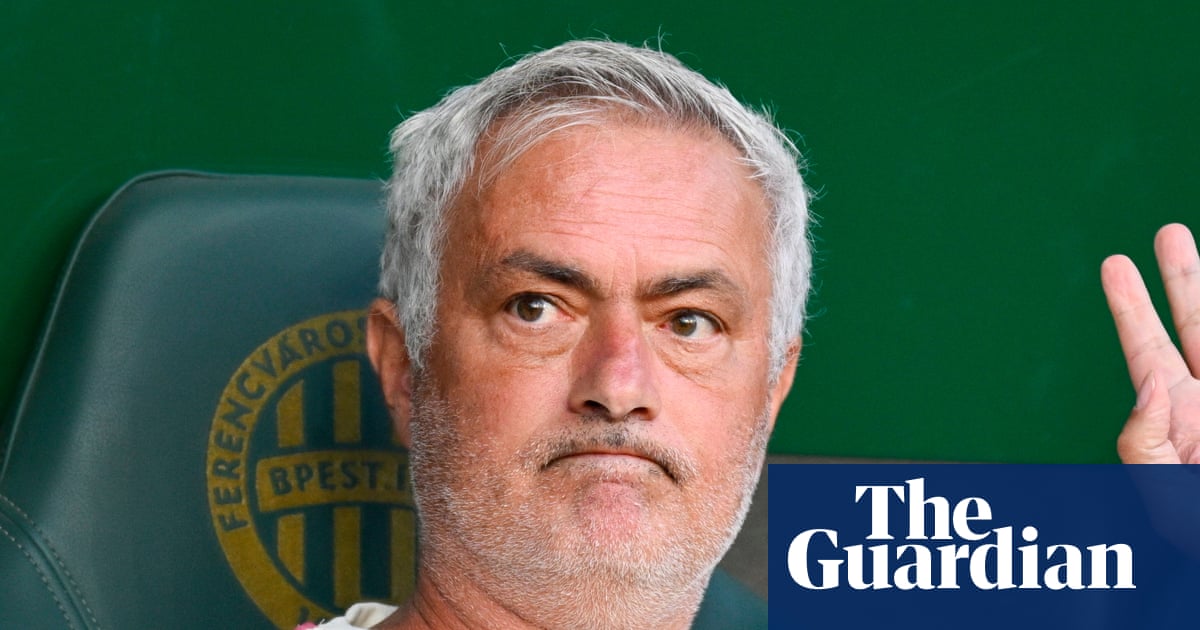
It is August 10, 2026, and the northern hemisphere is sweltering under a relentless summer heatwave. Football supporters everywhere are desperate for distraction before the autumn grind begins. Enter José Mourinho, stepping into the glare right on cue.
His brand-new Netflix documentary arrives on screens this Tuesday, August 11, 2026. Naturally, the trailer sets a self-congratulatory tone. The Portuguese manager opens with a classic line of signature bravado.
"You don't do a documentary with a guy who wins nothing."
It is a marvelous piece of showmanship, even if the recent record tells a far grimmer story. Since 2017, Mourinho has lifted exactly one trophy: the 2021-22 Europa Conference League title during his spell at Roma. His subsequent stints at Tottenham Hotspur, Fenerbahçe, and Benfica yielded zero silverware whatsoever.
On paper, that dry spell hardly makes a manager the obvious hero of a multi-part glossy sports film. Yet facts rarely get in the way of a Mourinho production. As The Guardian's Football Daily notes, he has willed his own greatness back into the narrative mainstream.
Audience appetite for his story remains staggering. We tune in for the warm glow of nostalgia. We want to relive the peak years when he was the undisputed king of European touchlines.
During his prime at Porto, Chelsea, Inter Milan, and Real Madrid, he delivered unforgettable dominance. Back then, his tactical clarity and mental warfare were unmatched. He was the most magnetic figure in sport.
The 2013 Tearful Phone Call and the Art of Myth-Making
The documentary is not entirely composed of old highlight reels and retired pundits praising his glory days. It also drops a stunning historical revelation from 2013. Mourinho claims he was originally set to succeed Sir Alex Ferguson at Old Trafford.
According to his account, he actually signed a contract with Manchester United when leaving Real Madrid. But he pulled out at the final moment after breaking down in tears.
Sir Alex Ferguson himself appears in the film to corroborate the extraordinary story. The legendary Scottish manager recalls the exact details of that emotional conversation.
"He phoned me and he was crying. And he says: 'Alex, I can't take it – I've given my word to Chelsea, and I'm not going to break my word.' The reason he gave to me I could understand, but I was disappointed."
It is a extraordinary piece of storytelling. Cynics will point out the absurdity of signing a binding agreement with United while giving a verbal promise to Chelsea. Pitting two massive clubs against each other before bursting into tears is classic Mourinho theater.
This episode highlights how he has always operated. He thrives in operational chaos and theatrical tension. He creates high-stakes melodrama, ensuring he remains the centerpiece of every room he walks into.
Whether in 2013 or 2026, he understands public relations better than almost any manager in history. He converts contractual messiness into a tale of personal honor. It is pure narrative control.
Why Top-Level Football Passed the Low-Block Era By
To understand why Mourinho generates such debate today, one must examine how top-tier tactics have evolved. In 2004 or 2010, his compact defensive block and direct counter-attacking setups revolutionized elite European competition. He mastered defensive rigidity like no one else.
His 2004 Porto team bullied favorites with physical discipline and tactical fouling. His 2005 Chelsea side conceded just 15 league goals all season. His 2010 Inter Milan unit suffocated Barcelona's legendary passing carousel inside the San Siro.
That was then. Modern elite football operates on vastly different principles today. Top clubs now rely on aggressive high pressing, complex positional rotations, and total ball dominance.
Mourinho's unwillingness to adapt his core principles has turned his teams passive. Sitting deep against aggressive opponents invites endless pressure. Modern wingers exploit space between lines, making low blocks far more dangerous to maintain over 90 minutes.
His recent spell at Fenerbahçe exposed these exact tactical limitations. Early European exits and rigid build-up play frustrated supporters who demanded proactive attacking football. When results wavered, the familiar pattern of media complaints and squad friction quickly followed.
The financial dynamic of European football has shifted drastically over the past two decades. As recalled in The Guardian's retrospective feature on early-2000s football, Serie A powerhouses used to routinely outbid Premier League clubs for global superstars. Today, English money dominates, but tactical innovation has moved to coaches who embrace fluid pressing.
Mourinho remains tied to pragmatism. He views matches as battles to be managed rather than spectacles to be controlled through possession. That philosophy wins occasional cup ties, but it struggles to sustain league title challenges in the modern era.
Pressure Cookers Across Europe: From Ibrox to Istanbul
High pressure is not unique to Mourinho, of course. Across European football this week, managers are feeling the heat as expectations collision course with early results. Take Rangers manager Derek McInnes, who finds himself in serious trouble after a disastrous start in Scotland.
A painful 2-1 defeat to Hibs at Ibrox leaves Rangers five points behind Celtic after just two league matches. The atmosphere around the club has turned hostile almost immediately.
McInnes addressed the spiraling crisis with total, unvarnished honesty after the whistle.
"It’s 15 years of frustration here at this club. Nobody knows that more than me … Every Rangers team is a byproduct of that frustration. The Rangers fans just want to see their team winning and so do I. And we will get there. I’m not going to ask the fans for more patience because I think the Rangers fans have been patient enough."
Contrast that raw accountability with Mourinho's usual post-match playbook. Where McInnes acknowledges fan anger directly, Mourinho routinely points to past trophies, reframes statistics, or blames match officials. Both tactics stem from intense pressure, but their delivery could not be more different.
Elsewhere in Scotland, Hearts supporter Ken Muir expressed the sheer fatigue of grueling European qualifiers. Drawing Sturm Graz, Benfica, and potentially Rapid Vienna in the Conference League highlight how brutal early-season schedules can be. Falling out of Europe before September often feels like the only way for mid-tier clubs to survive domestically.
Whether at Ibrox, Tynecastle, or Istanbul, modern football management offers zero breathing room. Fans want instant results and attractive football. Lose two matches, and the walls begin closing in.
The Eternal Box Office Appeal of Football's Greatest Showman
Why does Mourinho remain so captivating despite nine years of declining silverware? Because sport is fundamentally about entertainment, and no one controls the spotlight quite like him. He turns press conferences into theatrical performances that outshine the matches themselves.
Every post-match interview is an event. He can claim a cagey 1-0 win was actually reminiscent of Brazil 1982, and millions of fans will debate it for days. He creates drama out of thin air.
His critics view him as a figure from a bygone era, clinging to achievements from two decades ago. They see his tactical rigidity as a relic in an era of high-speed pressing. His supporters see a proven winner who simply needs the right backing and a squad willing to suffer for victory.
The truth sits somewhere in between. Mourinho is no longer the guarantee of league titles he was at Chelsea or Inter Milan. Yet he remains one of the few managers capable of commanding global attention wherever he goes.
When his documentary airs on Tuesday, millions will watch. They will laugh at his arrogance, shake their heads at his excuses, and admire his relentless self-belief. Love him or hate him, football without José Mourinho would be far more boring.