Monga's arrival halted by fitness audit
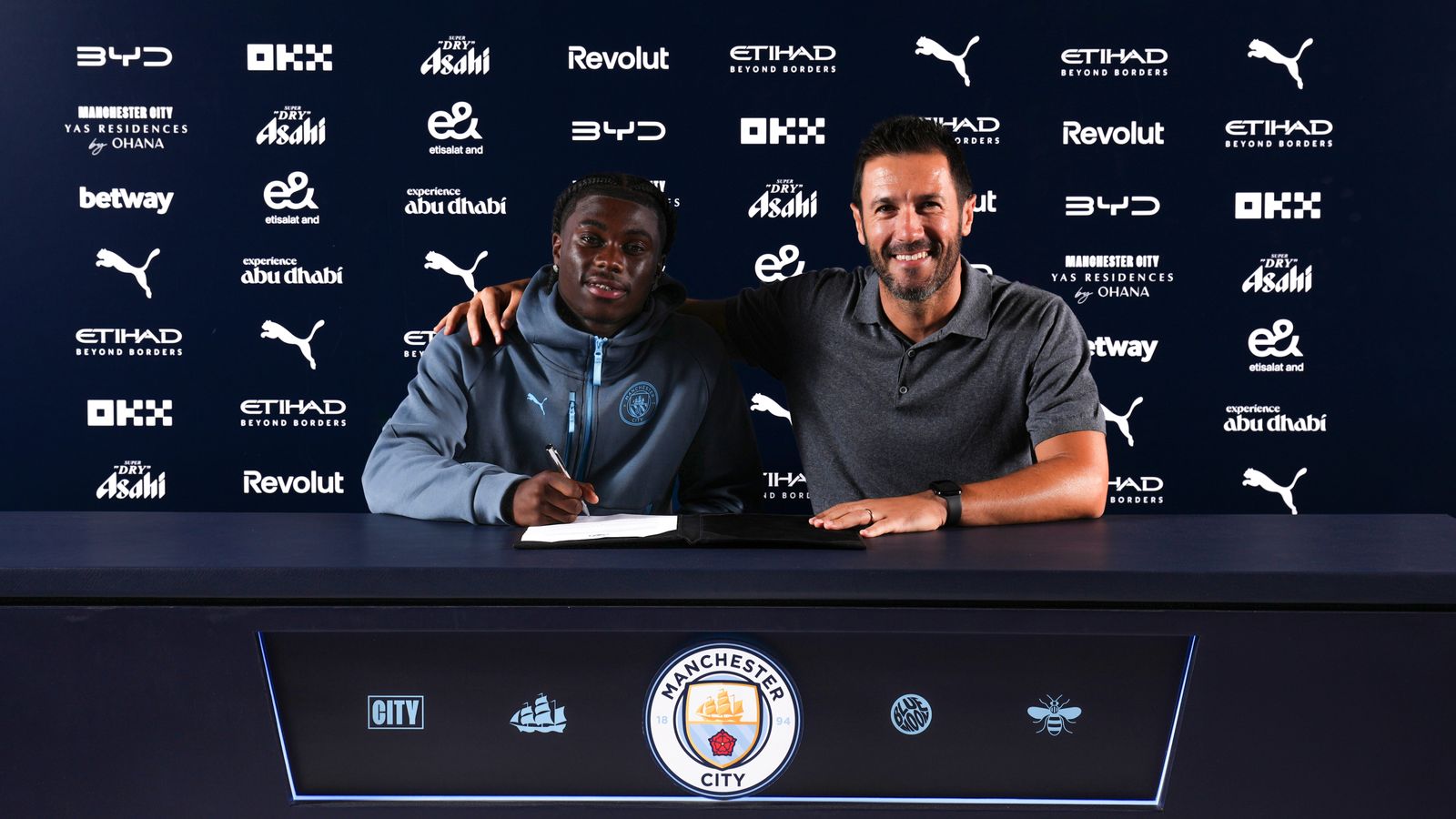
Manchester City officially confirmed the arrival of 17-year-old winger Jeremy Monga today, finalizing a deal worth 10 million in transfer fees from Leicester City. The move, intended to bolster the squad's long-term attacking depth, hit a snag during the standard pre-registration medical assessments. Sources within the club confirm Monga is currently managing a lingering musculoskeletal issue that will prevent him from participating in the upcoming pre-season tour.
The specific ailment involves a recurrent strain of the hip flexor, an injury that occasionally plagued the prospect throughout his final months at Leicester. While the injury is not considered catastrophic by team physicians, the decision to withhold him from intense training sessions is a cautious approach to long-term development. City's medical staff plan to prioritize rehabilitation over rushing his introduction to the first-team squad rotation.
The strategic cost of a delayed arrival
For a player brought in as an immediate project for the development side, missing the pre-season window is a missed opportunity for tactical assimilation. The coaching staff at the Academy Stadium usually expects new arrivals to absorb the positional requirements within the first two weeks of camp. Monga, however, must now spend the next 4-6 weeks focused on strength building in the hydrotherapy unit and low-impact gym work.
This delay complicates his integration into the youth setup, forcing the club to reconsider their rotation plans for the start of the domestic youth campaign. When a teenager is purchased for a high eight-figure fee, there is a natural pressure to justify the expenditure by demonstrating rapid progress in tactical proficiency. Managing this pressure while concurrently nursing a soft-tissue injury requires a high level of patience from the coaching staff, which is rarely a luxury afforded to rising talent at a club with these global ambitions.
Historical context and recovery protocol
Manchester City has historically utilized a conservative approach to young players suffering from repeated lower-body tightness. In seasons past, they handled similar cases by utilizing the recent transfer acquisitions with a 'slow-burn' philosophy. By delaying his debut, they avoid the risk of a more severe tear that would keep him sidelined for the entire first half of the season.
Competitors monitoring the situation have noted that while the talent is undeniable, fitness consistency remains his largest professional liability. The medical department will monitor his load-bearing capacity as he moves through transition drills, with a target return for squad training currently set for the final week of August. Should he suffer another setback before the end of the summer, the club will move him from a conditioning program to a comprehensive surgical evaluation.
This injury highlights a persistent critique regarding the intensity placed on youth prospects at the academy level. Forcing developing bodies to contend with rigorous training schedules often leaves players vulnerable to the exact type of muscular breakdown Monga is enduring. The club now sits in a position where they have invested significant cash for a player who cannot currently execute the tactical instructions required for a place on the team sheet. Whether the medical staff can correct these structural imbalances during his recovery period will determine if this remains a minor setback or becomes a recurring pattern for the duration of his contract.