The Tactical Disintegration of a Monolith
When high-line pressing mechanics collapse, coaches usually talk about defensive transitions or mid-block compacting. They rarely bring up their divorce papers in a post-match post-mortem. Yet Amazon Prime's A Beautiful Obsession reveals Pep Guardiola did exactly that inside the Allianz Stadium dressing room in December 2024.
Following a listless 2-0 defeat to Juventus, Guardiola stood before his squad and laid his private life bare. He told them he had separated from Cristina Serra, his wife of ten years, because they lost the passion. It was a raw, jarring attempt to ignite a spark in a squad that had begun to drift.
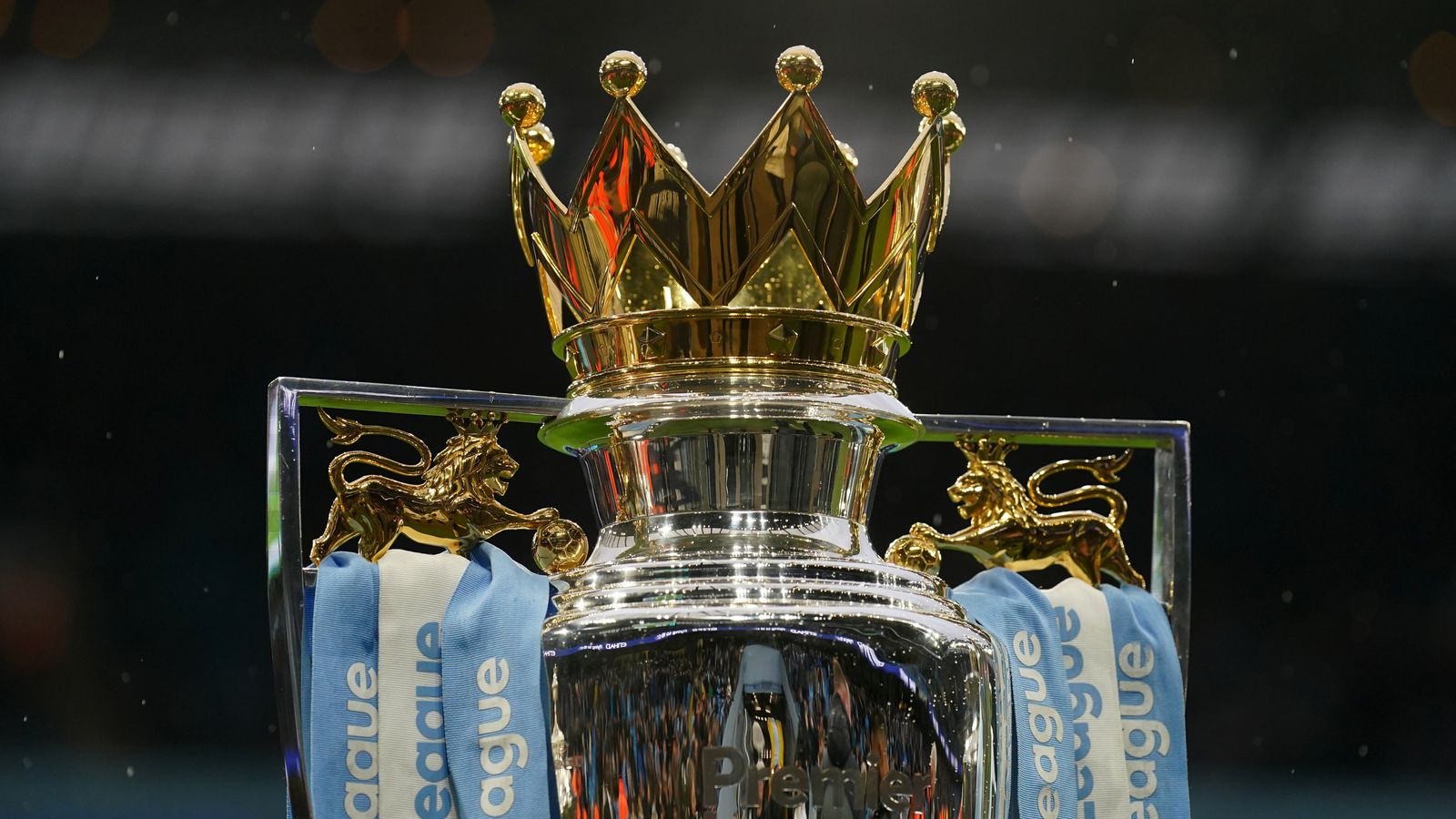
For tactical obsessives, the four-part documentary dropping tomorrow offers something far deeper than standard club propaganda. It documents the structural decay of Manchester City across Guardiola's final two seasons in England. After six Premier League titles and a 2023 Champions League crown, the machine finally stalled.
The numbers tell part of the story, but the pitch geometry tells the rest. City remained possessional dominant, yet their counter-pressing lacked its signature bite. Opposition sides began slicing through their mid-block with simple direct passes into the half-spaces.
Guardiola's relentless micro-adjustments started yielding diminishing returns. When you demand positional perfection for 10 years and 20 trophies, fatigue sets in. It is not physical exhaustion alone; it is cognitive burnout that drains both coach and players.
During his decade at the Etihad, Guardiola transformed English football through inverted full-backs, box midfields, and extreme rest-defense positioning. As Mirror Football reported in their look at the upcoming series, the intense environment took a massive toll behind the scenes. By the 2024-25 campaign, rivals had mapped those patterns, and the element of tactical surprise had evaporated.
Leverkusen, Juventus, and the Anatomy of Tactical Hubris
Every tactical system contains the seeds of its own downfall when over-engineered. Look no further than November 2025 against Bayer Leverkusen. Facing a pivotal Champions League tie, Guardiola executed a bizarre experiment by making 10 changes to his starting eleven.
The result was an unmitigated disaster on home turf. Leverkusen sat in a compact 5-3-2 shape, ruthlessly exposed City's disjointed buildup, and strolled to a comfortable 2-0 victory over the hosts. City lacked natural passing triangles and secondary runners to break the low block.
In the post-match breakdown, Guardiola broke down in near tears before unloading on his squad. He questioned their courage, admitted his squad rotation had backfired, and threatened to bench anyone who complained. It was the moment the squad's psychological threshold broke under the manager's intense demands.
The Leverkusen gamble demonstrated a recurring flaw in Guardiola's late-stage management. When fringe players failed to execute complex tactical rotations instantly, the manager took it as a personal betrayal. He tried to engineer solutions from the bench that required months of structural rhythm.
Here is how the structural collapse unfolded across those final two campaigns:
- December 2024: A 2-0 defeat to Juventus leads to Guardiola revealing his divorce to the squad in an attempt to spark passion.
- November 2025: A disastrous 10-change squad rotation results in a 2-0 home loss to Bayer Leverkusen and tearful dressing room threats.
- May 2026: City lose the Premier League title to Arsenal despite securing two domestic cups in their rebuilding year.
By the time Arsenal secured the Premier League title earlier this year, City's dominance had fractured. Even with two domestic cups secured in his final 2025-26 campaign, the league table exposed their vulnerability. The squad simply could not sustain the high-volume pressing required to hold off Mikel Arteta's side.
Oasis guitarist Noel Gallagher offered the sharpest parallel for City's decline in the documentary. He noted how even the greatest songwriters hit a wall where every track becomes part of the furniture. Football systems, like rock albums, eventually hit an expiration date when the audience moves on.
Guardiola's dressing room talks oscillated wildly between fierce rage and affection. He would berate players for lacking heart one night, then initiate group hugging sessions before the next kickoff. That emotional volatility left squad members unsure of where they stood.
The Human Cost of Positional Perfection
Guardiola’s obsession required absolute surrender from everyone around him. Arriving at eight in the morning and dissecting first-half video clips at halftime consumed his life. That level of micro-management leaves zero room for personal balance or domestic peace.
Serra remained in Barcelona to run her fashion business while Guardiola spent sixteen hours a day inside the Etihad Campus. The separation at the end of 2024 was the logical outcome of that imbalance. He gave everything to the pitch, leaving nothing for his home.
In the documentary footage, the 55-year-old manager sits back and references the Catalan word "badar". It means sitting idly, watching time pass without agenda or obligation. For a man who spent three decades tracking third-man runs, true idleness is an alien concept.
Former director of football Txiki Begiristain put it bluntly when discussing his colleague's future:
"He needs rest and he needs to see that outside there is a life after football. If he meets only football people, he is going to always be on the same rollercoaster."
Yet Guardiola himself admits the addiction to winning is nearly impossible to shake. He grins on camera while noting how older managers always return because they cannot survive without the adrenaline. The thrill of watching a tactical pattern execute perfectly on the pitch remains an intoxicating drug.
He recalled his final match in May 2026 as a deeply emotional milestone, surrounded by his 95-year-old father, his children, and Serra. Despite the divorce, the family bond remained intact. But the physical and mental strain of ten relentless seasons was visible on his face.
What the Documentary Will Prove and My Final Call
A Beautiful Obsession will not be a sanitized victory lap for Manchester City. It serves as an autopsy of how elite football systems burn out from the inside. Viewers will see a manager wrestling with his own tactical mortality.
The dressing room footage reveals a side of Guardiola that television cameras never caught. Watching him play Bee Gees tracks like "You Win Again" to encourage longer goal celebrations highlights his eccentric motivational methods. But as revealed in the Prime documentary coverage, those methods eventually took a psychological toll on his squad.
The main takeaway from his tenure is that perfectionism carries a finite shelf life. No matter how brilliant the tactical blueprint, human mechanics eventually wear down under constant friction. Guardiola stretched his players and himself to the absolute limit.
My prediction is straightforward: this documentary will permanently change how we view Guardiola's legacy in England. While casual fans remember the four consecutive titles, tactical analysts will study his final two years as a case study in managerial burnout.
Guardiola claims he will not return to management anytime soon, preferring to sleep until ten and visit local cafes. Do not believe it for a second. A manager addicted to pitch geometry cannot stay idle once the tactical itch returns; expect him back on an elite bench before 2028.
Read Next
- Amazon's Pep doc shows the raw, tearful breakdown behind City's final years
- Jack Grealish isn't saving Enzo Maresca's City — he is heading back to Everton
- Why Arsenal fans should be begging to lose the Community Shield on Sunday
- Why Premier League heavyweights are raiding League One for 18-year-olds
- ⭐ UCL 2026 — Champions League Quarter-Finals Hub