The Anatomy of City's Midfield Reshuffle
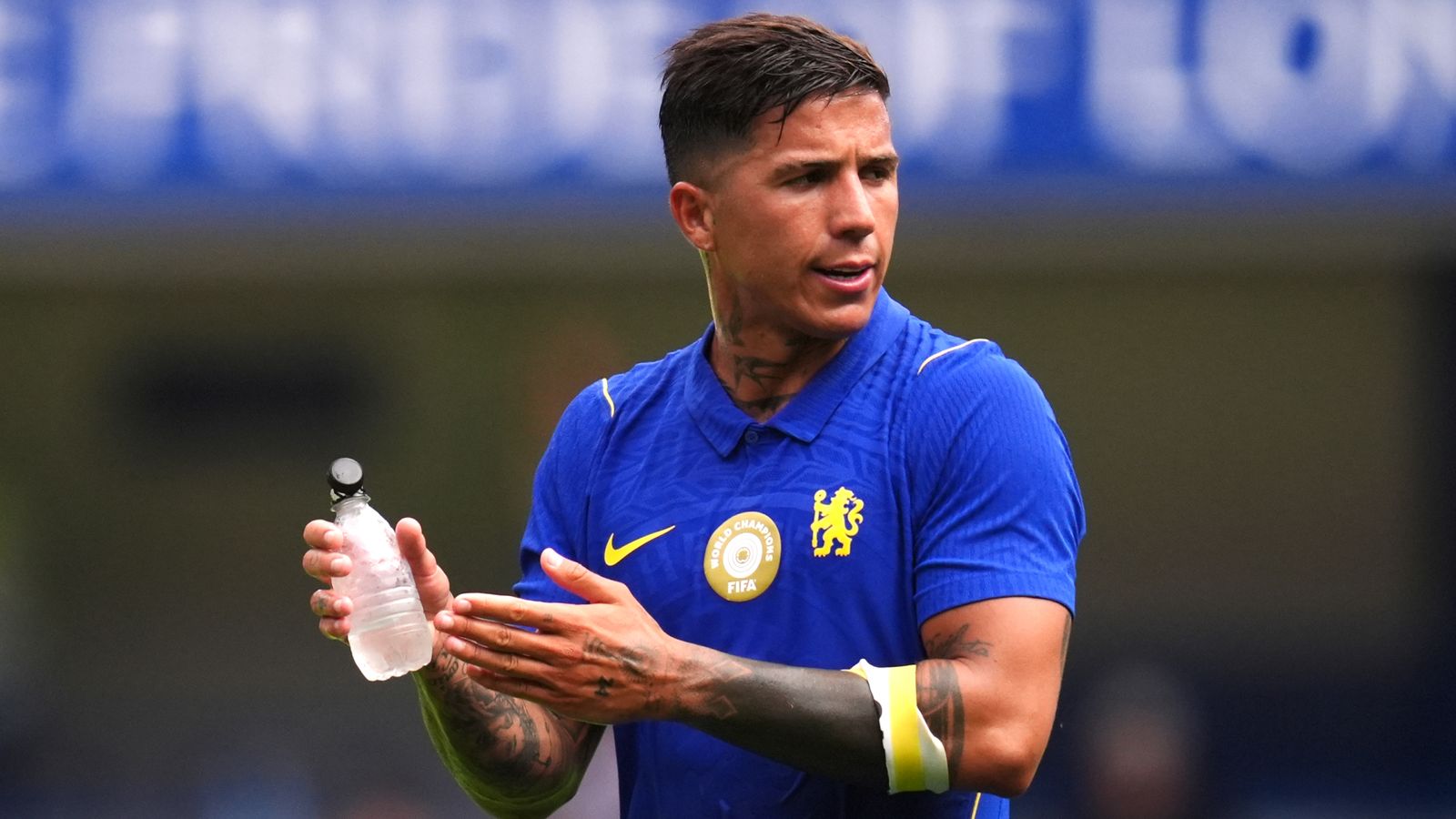
September 1, 2026 has delivered the defining story of the summer transfer window. As Sky Sports reported, Manchester City have officially opened direct club-to-club negotiations with Chelsea to acquire Enzo Fernandez before tonight's midnight deadline. The Argentine international has explicitly communicated his desire to complete the move to the Etihad Stadium.
City's engine room underwent a total structural overhaul throughout August. Rodri departed for Barcelona earlier this month, stripping the champions of their primary defensive anchor and tempo dictator. Bernardo Silva walked away on a free transfer to Real Madrid after his contract expired.
The midfield exodus continued when Nico Gonzalez joined Newcastle in a deal worth up to £50m. Meanwhile, Tijjani Reijnders finalized a £51m transfer to Saudi Arabian side Al Qadsiah. City responded to these departures by spending massive capital to reconstruct their central spine.
They committed £116m to sign England international Elliot Anderson from Nottingham Forest in July. Shortly after, City finalized an £86m world-record transfer for Lille teenager Ayyoub Bouaddi. Yet Enzo Maresca insisted on adding a proven ball manipulator to direct build-up play from deep areas.
Fernandez, who completed a £107m transfer to Chelsea from Benfica in January 2023, represents Maresca's ideal positional target. Chelsea previously established an August 14 cutoff date with Fernandez's representatives, setting a strict valuation of £120m. City allowed that cutoff to pass without placing a formal bid, but their internal interest never vanished.
Fernandez started Chelsea's Premier League opener against Fulham in mid-August. However, his total absence from subsequent matchday squads against Luton Town in the Carabao Cup and Brighton confirmed his intention to force a departure. He wants an immediate reunion with Maresca, who previously coached him at Stamford Bridge.
That tactical relationship between manager and player now sits at the very center of Deadline Day negotiations. Maresca views Fernandez as the missing piece to accelerate City's passing tempo. Chelsea, meanwhile, find themselves cornered into selling a marquee asset under intense time pressure.
Pressing Triggers, Progressive Passes, and the Rodri Void
Replacing Rodri's tactical function requires structural adjustments rather than a simple personnel swap. During his peak years at the Etihad Stadium, Rodri controlled central transitions while averaging over 90 passes per 90 minutes. Without his defensive anticipation, City's midfield shape easily fractures when opponents break through the initial counter-press.
Anderson delivers athletic ball-carrying metrics, driving directly through central corridors under heavy pressure. Bouaddi exhibits elite tackling instincts for an eighteen-year-old, yet his positional discipline remains unproven against top-tier European opposition. Neither player provides Fernandez's rare ability to dictate play through long-range progressive passing.
During his start against Fulham, Fernandez systematically dismantled mid-blocks from the left half-space. He dropped between Chelsea's centre-backs, drew out opposition central midfielders, and opened clean passing channels to isolated wingers. His spatial awareness allows his team to bypass aggressive high-pressing traps with minimal touches.
However, Fernandez possesses severe defensive flaws that Maresca cannot ignore. His physical recovery speed in open-field transitions is notoriously sluggish when opponents bypass his initial tackle. At Chelsea, his tendency to vacillate between pressing forward and retreating left wide defensive channels exposed for counter-attacking teams to exploit.
Pairing Fernandez alongside Anderson in a double-pivot grants City an extraordinary passing repertoire. Yet it also leaves their back four vulnerable to direct counter-attacks through the central axis. Fernandez is not a pure defensive screen, and relying on him to protect space single-handedly will backfire against quick transition teams.
Against aggressive pressing sides, Fernandez often needs a secondary pivot partner to cover ground behind him. If Anderson drifts too high into the half-spaces, City will concede dangerous central counter-attacks. Finding that exact positional balance will determine whether Maresca's tactical experiment succeeds.
Chelsea's Deadline Day Panic and Midfield Scramble
Sanctioning Fernandez's departure on Deadline Day without a secured replacement represents an extraordinary gamble for Chelsea. According to transfer reports on Deadline Day, Chelsea approached Roma to negotiate a £52m deal for France midfielder Manu Kone. That proposed agreement included sending Jamie Gittens to Rome on loan.
However, Roma manager Gian Piero Gasperini created a massive obstacle by refusing to allow Kone to leave. Gasperini has personally fought to retain the French midfielder since taking charge in Rome. As a result, Roma are forcing Chelsea to wait while exploring potential replacements like AC Milan's Youssef Fofana or Marseille's Pierre-Emile Hojbjerg.
Chelsea's secondary transfer inquiries have encountered immediate rejection as the window ticks down. Monaco swiftly turned down Chelsea's £38.5m (€45m) bid for young midfielder Lamine Camara earlier today. Chelsea executives are now desperately assessing domestic Premier League options to bring in one senior midfielder before midnight.
This reactive scramble exposes Chelsea's chaotic squad planning over recent transfer windows. Selling a marquee midfielder hours before the deadline while depending on multi-club dominoes across Italy and France is terrible operational management. If Gasperini maintains his stance on Kone, Chelsea will enter the autumn with a severely depleted central core.
Chelsea fans have every right to feel furious about this Deadline Day predicament. Losing a £107m signing to a direct Premier League rival without a guaranteed successor lined up is a management failure. It leaves Stamford Bridge vulnerable just three matches into the new campaign.
2What to Watch For and Matchday PredictionIf City complete this transfer before midnight, observe how Fernandez interacts with Anderson during build-up phases. Fernandez will likely operate as the primary deep distributor, picking up possession from the left centre-back. This dynamic frees Anderson to make incisive runs into the attacking third while City form their preferred 3-2-4-1 structure.
Watch how opposing managers target Fernandez's pressing triggers when City build out under pressure. Opponents will immediately jump on his back foot when he receives passes facing his own goal. If opponents limit his turning angles, City's build-up becomes predictable and forces backward passes toward the goalkeeper.
Maresca's tactical blueprint requires rapid ball circulation to displace low-block defenses. Fernandez will drastically elevate City's pass completion figures in the opposition half. His crisp, diagonal switching passes will isolate City's wide attackers against exposed full-backs far more effectively than in their August matches.
City possess a commanding financial position in this Deadline Day drama. Fernandez wants Maresca, and City urgently require an elite passer to compensate for Rodri's exit to Barcelona. Once the paperwork is finalized tonight, Fernandez will instantly assume control of City's midfield engine room.
Expect immediate defensive teething problems as Fernandez and Anderson adapt to Maresca's counter-pressing demands in their next Premier League match. Nevertheless, City's technical quality and overwhelming possession will break down opposition resistance late in the game. Expect City to claim a convincing 3-1 victory, with Fernandez conducting the tempo from deep.
Read Next
- Man City are making a late £120m push for Chelsea's Enzo Fernandez
- Man City are dropping 100m on Enzo Fernandez and it smacks of desperation
- Chelsea's £80m Alex Scott chase depends on Man City's Enzo Fernandez bid
- Aston Villa's £47m splash on Ibrahim Mbaye is a massive Deadline Day risk
- 🇦🇷 Argentina World Cup 2026 — Defending Champions Hub