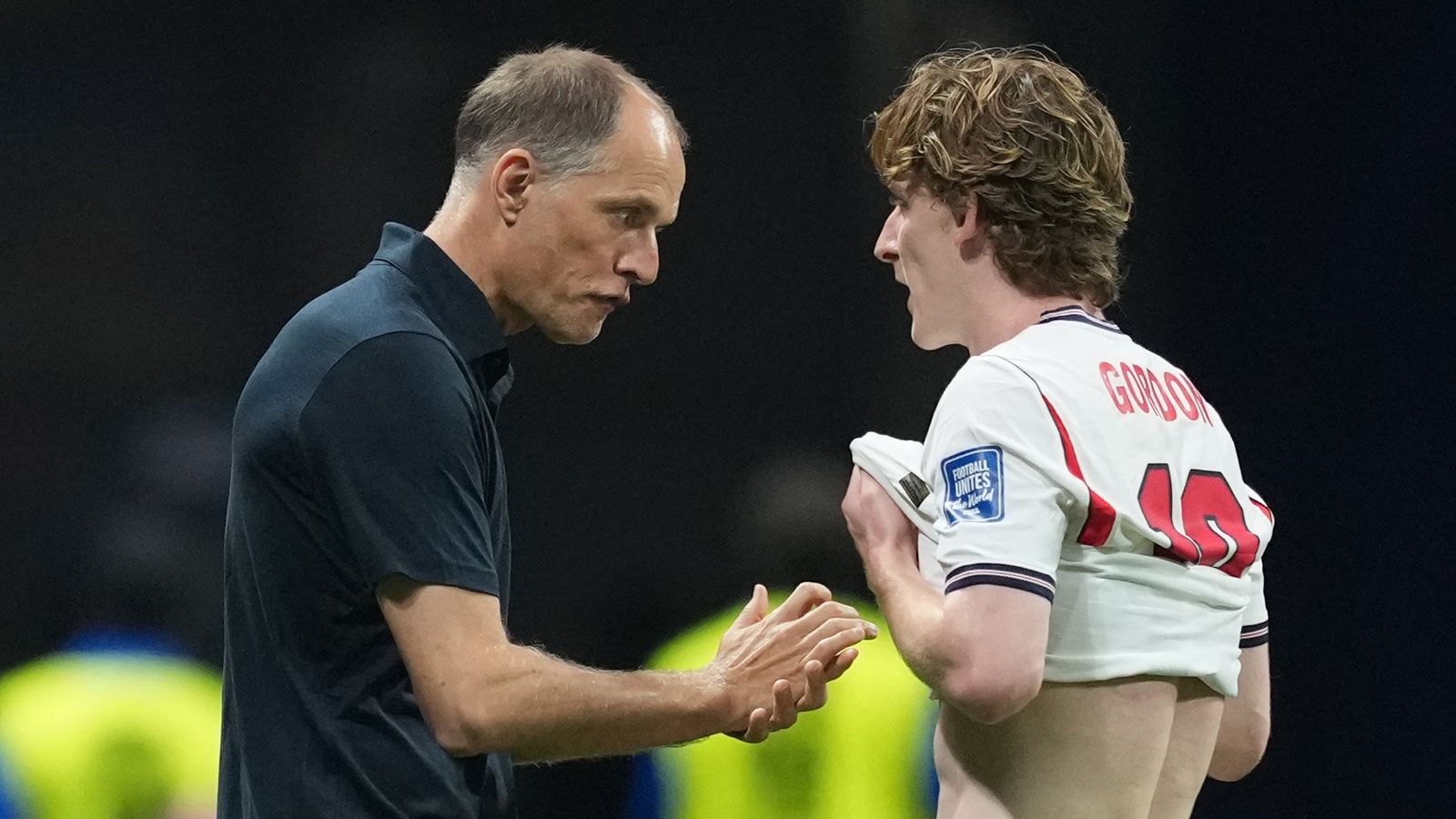
How Tuchel solves England's midfield trap while United chase James Garner

June is the month where tactical theory meets physical reality, and Thomas Tuchel is finding out that tournament football does not care about his transition blueprints. England enter their final World Cup group game against Panama with a squad that is beginning to fray at the edges. The physical cost of a long domestic season has caught up with the national team at the worst possible moment.
Declan Rice, the structural foundation of England's midfield under Tuchel, has provided an update on his fitness after suffering a knock in training. Alongside him, defender Reece James is also undergoing late fitness tests to determine if he can feature in the final group stage fixture. To complicate matters further, Marcus Rashford has lodged a fitness complaint that has sparked immediate concern within the England camp.
Tuchel's system depends on aggressive, high-intensity transition play and a solid defensive base. Without Rice operating at full capacity, the entire structure is vulnerable to quick counters. Panama will exploit any gaps.
If Rice is sidelined or plays through the pain, England risk looking sluggish and predictable in their build-up. The drop-off from Rice to the reserve options is steep, particularly in terms of defensive coverage and ground duels won. The German manager faces a choice between resting his key midfielder or risking a more severe injury before the knockout rounds.
England's initial performances in the group stage have yielded four points, but the style of play has been far from fluid. The build-up has frequently stalled in the middle third, with horizontal passing sequences replacing direct, vertical penetration. With Panama expected to defend with a compact back five, this lack of forward momentum could turn a routine game into a frustrating evening.
Tuchel must address the physical depletion of his squad without sacrificing tactical cohesion. Rashford's physical complaint adds another layer of complexity, limiting England's options for raw pace on the left flank. The coaching staff must find a way to inject dynamism into a side that looked physically exhausted during their previous outing.
Panama will set up to frustrate, using a low block designed to squeeze the space between their defensive and midfield lines. Against this type of opposition, playing two defensive-minded midfielders who occupy the same zones is a tactical error. If England play slowly, Panama will comfortably slide across the pitch and maintain their defensive shape.
Why Morgan Rogers is the Antidote to Panama's Block
Analyzing the options available to Tuchel, former England defender Gary Neville argued on Sky Sports that the solution lies in a change of profile. Neville believes England need the inventive presence of Morgan Rogers in the starting lineup to break down Panama's stubborn defensive block. The Aston Villa midfielder offers a specific set of attributes that England's current starting options simply do not possess.
Rogers is comfortable receiving the ball in tight spaces between the lines, a zone where England have looked toothless. While others look for the safe sideways pass, Rogers actively seeks to turn and drive at the opposition defense. His ability to draw defenders out of their positions is what England need to create passing lanes for their forwards.
The statistical profile of Rogers back up Neville's tactical assessment. In domestic competition, Rogers averaged 4.2 progressive carries per ninety minutes, putting him in the elite percentile for midfielders. This ball-carrying capability forces defensive units to collapse inward, opening up space for overlapping full-backs or runs from the opposite winger.
Without a player of this profile, England's attacking play becomes entirely reliant on individual brilliance from wide areas. If Panama double-team the wingers, England will struggle to create high-quality chances. Introducing Rogers from the start gives Tuchel a central focal point who can manipulate the opposition's defensive shape.
There is also a defensive benefit to starting Rogers in a advanced midfield role. His physical frame allows him to contest second balls and execute counter-pressing actions high up the pitch. This prevents the opposition from launching direct counter-attacks, which is Panama's primary path to goal.
Neville's argument highlights a broader issue within the England setup: the tendency to select reputation over tactical fit. In tournament football, the team that adapts to the specific defensive challenges of the opponent usually advances. Playing a half-fit Rice alongside another defensive midfielder against a low block is a waste of resources.
Tuchel must show the tactical flexibility that defined his Champions League-winning campaign with Chelsea. He needs to recognize that Panama requires a different toolset than a match against a high-pressing European side. Rogers represents the structural variation that can turn possession into genuine goal threat.
The tactical danger of Panama's low block is that it induces a false sense of security. Teams dominate possession, compile high passing percentages, and yet generate zero expected goals (xG). England's passing must have velocity, and Rogers is one of the few squad members who plays with one-touch urgency in the final third.
If England stick to their standard template, they will play directly into Panama's hands. A slow build-up allows the Central American side to remain compact and conserve energy. Injecting Rogers into the central channel forces Panama's defensive midfielders to step out of their block, creating structural gaps.
Manchester United and the Premier League Midfield Crisis
While Tuchel wrestles with tournament selection, the domestic transfer market is exposing the structural failures of English club recruitment. Manchester United's ongoing search for a defensive midfielder has descended into a familiar pattern of financial inflation and missed targets. After weeks of negotiation, the club appears to have run out of viable options in the international market.
As Football365 reports, Manchester United are now set to re-sign James Garner from Everton after being priced out of moves for every other midfield target. This development comes after the club baulked at the steep valuations of their primary targets, only to watch Premier League rivals hijack those deals. The situation is a damning indictment of United's scouting and negotiation strategy.
Garner was sold by United to Everton in the summer of 2022 for a fee of £15 million, a decision that was criticized by supporters at the time. Now, they are prepared to bring him back to Old Trafford at a significantly higher valuation. This cycle of selling academy prospects only to buy them back years later is an expensive way to run a football club.
The market for Premier League-proven midfielders has reached absurd heights. Clubs are demanding premium fees for average talent, knowing that top-six teams are desperate for squad depth and homegrown players. United's inability to identify value outside of the English top flight has left them at the mercy of domestic rivals.
By failing to secure their primary targets early in the window, United have allowed Everton to dictate the terms of the Garner negotiation. The Merseyside club is under no pressure to sell one of their key performers cheaply. United's recruitment team has once again painted themselves into a corner, forced to overpay for a player they originally deemed surplus to requirements.
This fallback is a panic move. Garner is a neat midfielder, but he lacks elite defensive metrics. He is a mid-table solution.
The Failure of Long-Term Squad Planning
The parallel between England's international midfield dilemma and Manchester United's transfer market scramble is striking. Both scenarios expose a fundamental lack of forward planning and a reliance on individual profiles to cover structural flaws. When those profiles are unavailable or priced out, the entire system collapses.
Tactical rigidity is a systemic problem in English football development. For years, clubs and the national team have prioritized physical dominance over technical adaptability. When faced with teams that clog the central zones, English sides frequently default to sterile possession and hopeful crosses.
In United's case, the pursuit of Garner shows a refusal to trust scouting networks beyond a small pool of familiar names. The modern game requires clubs to look globally for undervalued profiles before they become expensive Premier League commodities. By limiting their search to domestic targets, United ensure they will always pay a premium.
Garner's statistical profile at Everton highlights the limitations of this approach. While he completed 84 percent of his passes last season, his progressive passing distance and line-breaking metrics are relatively modest. He is a functional player who helps retain possession, but he lacks the dynamic range to unlock deep defensive structures.
This lack of verticality is precisely the issue England are facing with their current midfield setup. When teams rely on safety-first midfielders, the entire attacking unit becomes isolated. The forwards are forced to drop deep to retrieve the ball, removing them from the areas where they are most dangerous.
Elite modern teams build their midfields around complemental skillsets rather than individual stars. Real Madrid and Manchester City have constructed squads where players can be rotated without a massive drop in tactical output. In contrast, England and Manchester United remain highly dependent on specific individuals to maintain their shape.
If Rice cannot play against Panama, Tuchel must find a collective solution rather than hoping a reserve player can replicate Rice's physical output. This is where Rogers' inclusion becomes vital as a tactical shift rather than a direct replacement. By changing the midfield dynamic, Tuchel can offset the loss of Rice's defensive coverage with superior ball retention and progression.
The obsession with Premier League experience is a market inefficiency that elite clubs should be exploiting. Instead, United are letting smaller teams run their recruitment by proxy. Everton are happy to sell back a player they polished, pocketing the profit while United solve a self-inflicted squad crisis.
Tuchel has the talent to win this World Cup, but only if he trusts the squad's depth. Relying on an injured Rice against Panama is an unnecessary risk. Letting Rogers drive the team forward is the progressive choice.
Garner will not close the gap. It is a signing to preserve the status quo. United remain stuck in mediocrity.
Panama is the ultimate test. If Tuchel plays it safe, England will fail against elite knockout opponents. It is time to adapt.
Read Next
- Rio Ferdinand warns Thomas Tuchel over £221m duo as Man United eye Nmecha
- Thomas Tuchel must listen to Big Sam before England face Panama
- Why the 2026 World Cup final is heading toward a tactical disaster
- England might actually win the World Cup and it is terrifying
- 🏆 World Cup 2026 — Full Coverage Hub
- 🏴 England World Cup 2026 — Three Lions Hub
Gaffer of All Trades: My Life in Football by Ian Holloway
A hilarious and honest look inside the mind of a English football cult hero.
Frequently Asked Questions
Who is England playing in their final World Cup group match?
Who is facing fitness concerns for England before the Panama match?
How does Declan Rice's fitness issue affect England's tactics?
What tactical setup is Panama expected to use against England?
Why does Gary Neville think Morgan Rogers should start against Panama?
More Coverage
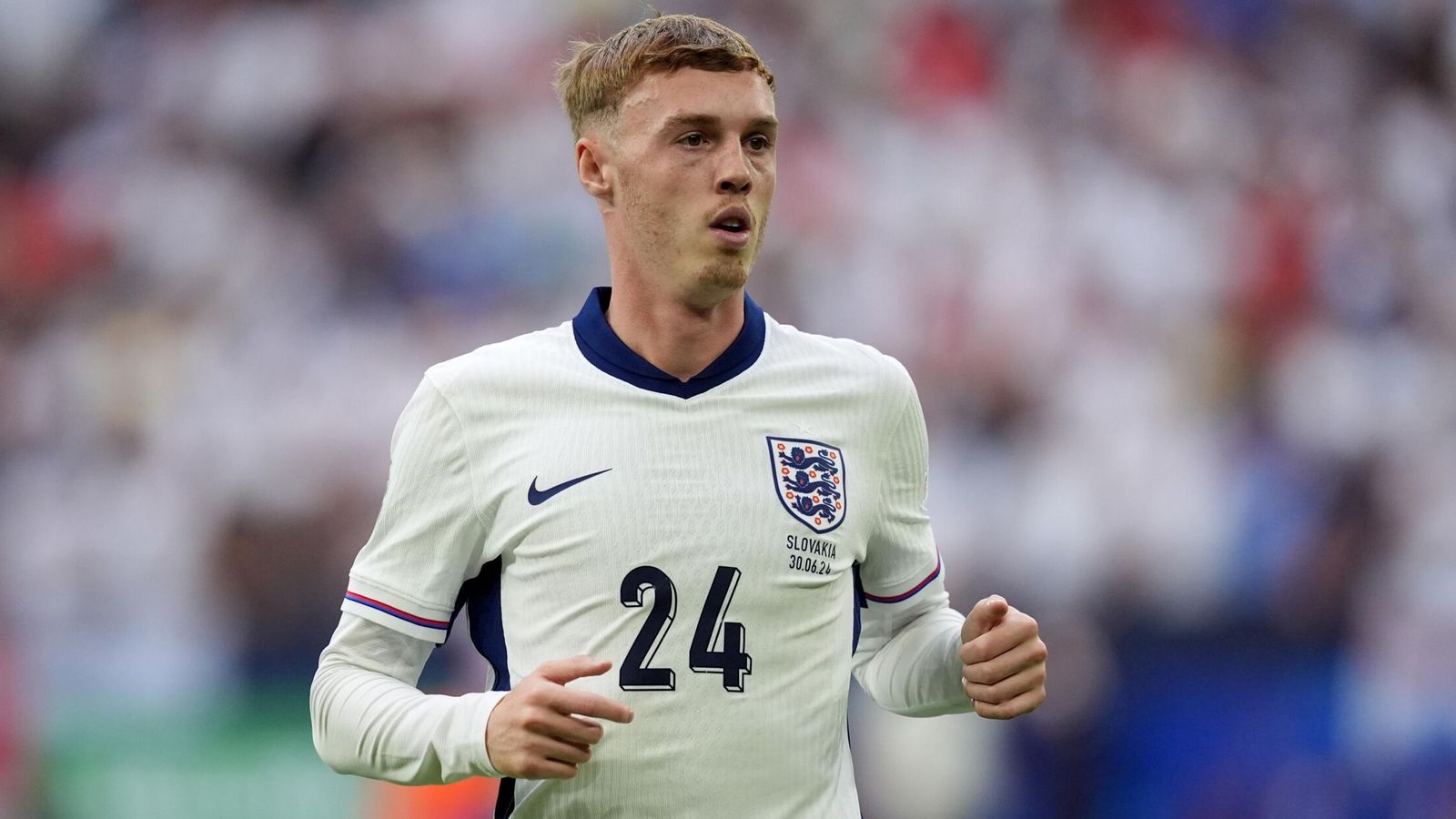
Tuchel is dropping the hammer on Palmer — and Spain won't offer any mercy
3 hours ago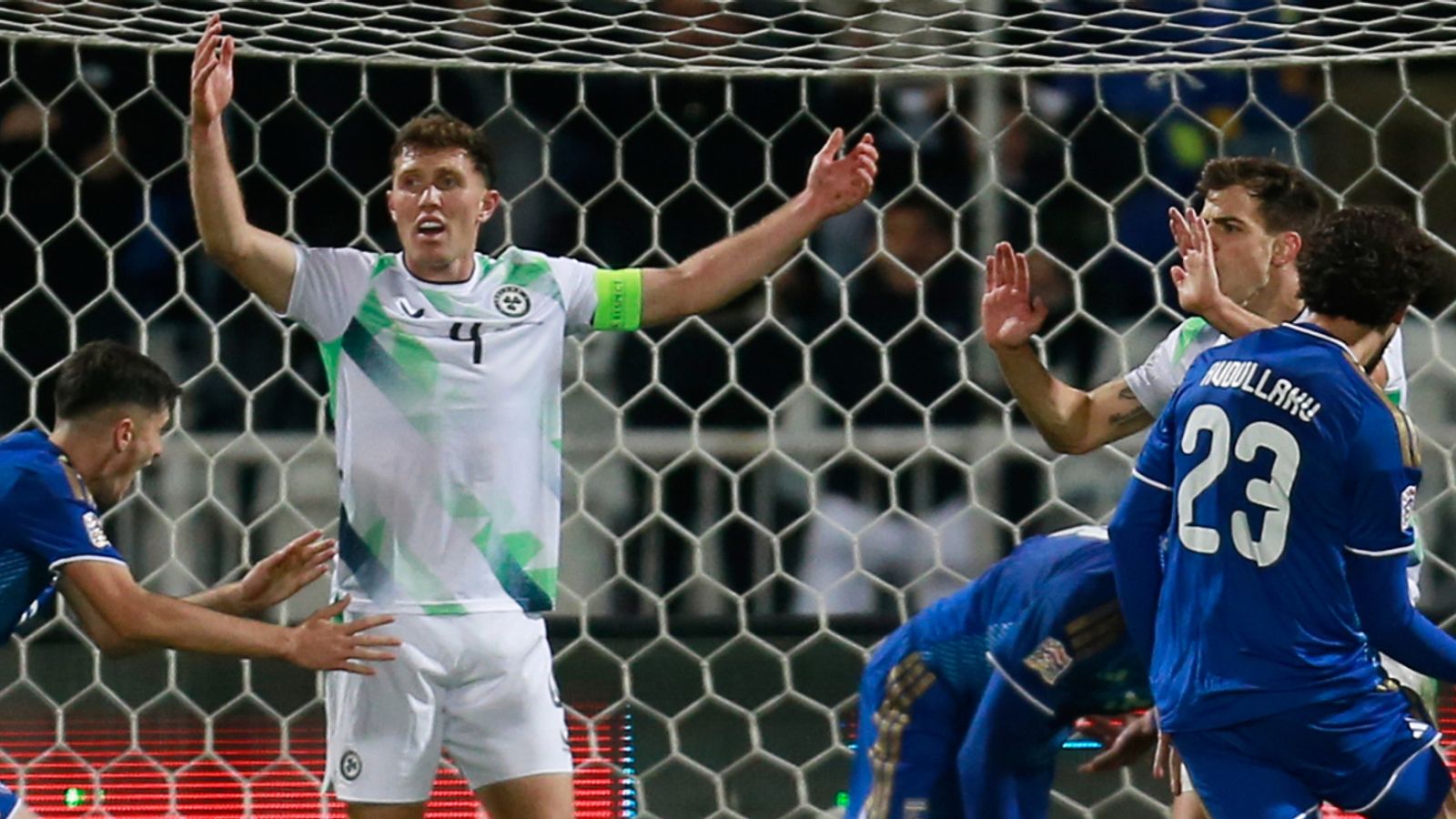
Ireland are heading into Hungary in crisis after their Pristina collapse
1 day, 1 hour ago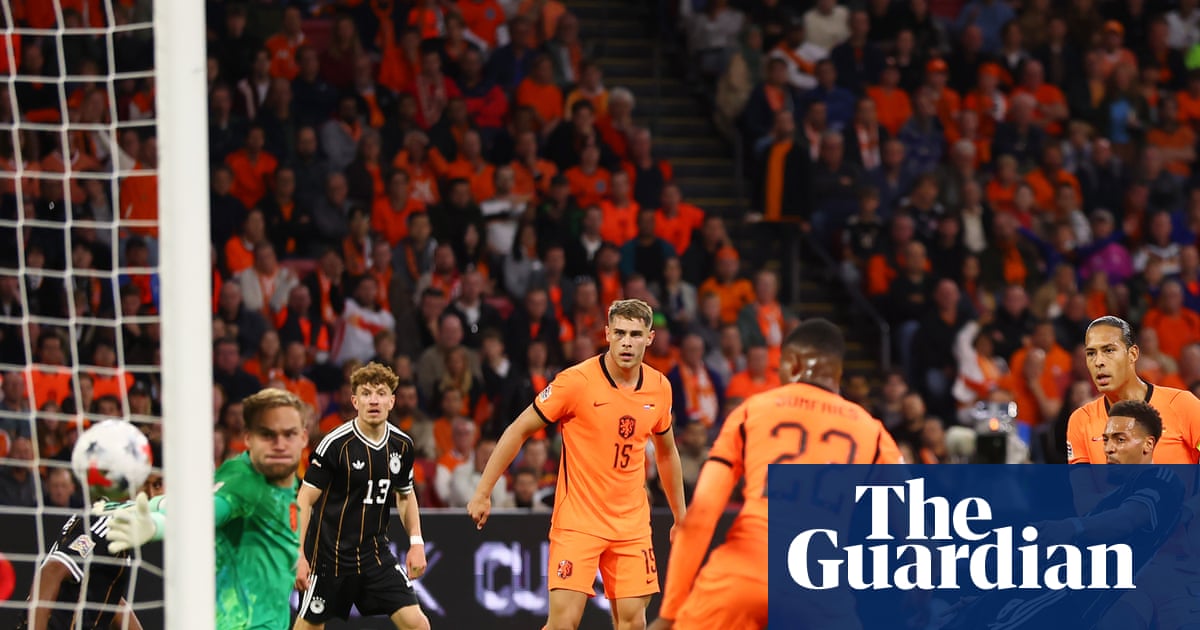
Jürgen Klopp got the chaos he expected in a wild debut against the Dutch
1 day, 1 hour ago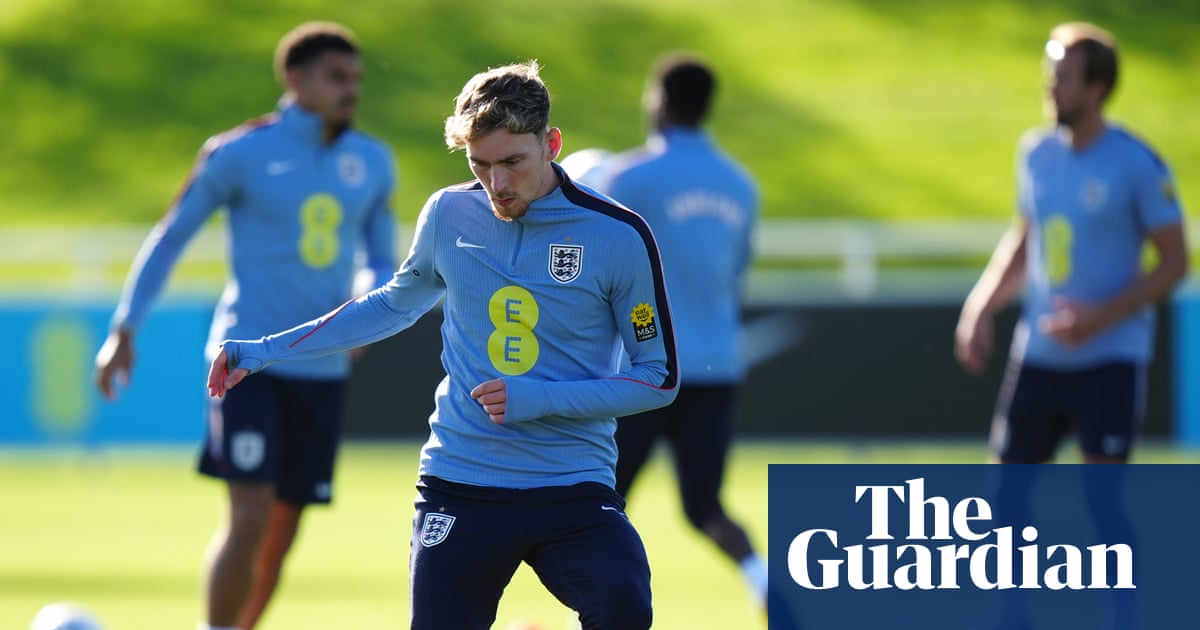
James Garner got called off a Turkish beach to fix England's midfield
1 day, 4 hours ago
James Garner's crazy England callback exposes Thomas Tuchel's midfield mess
1 day, 4 hours ago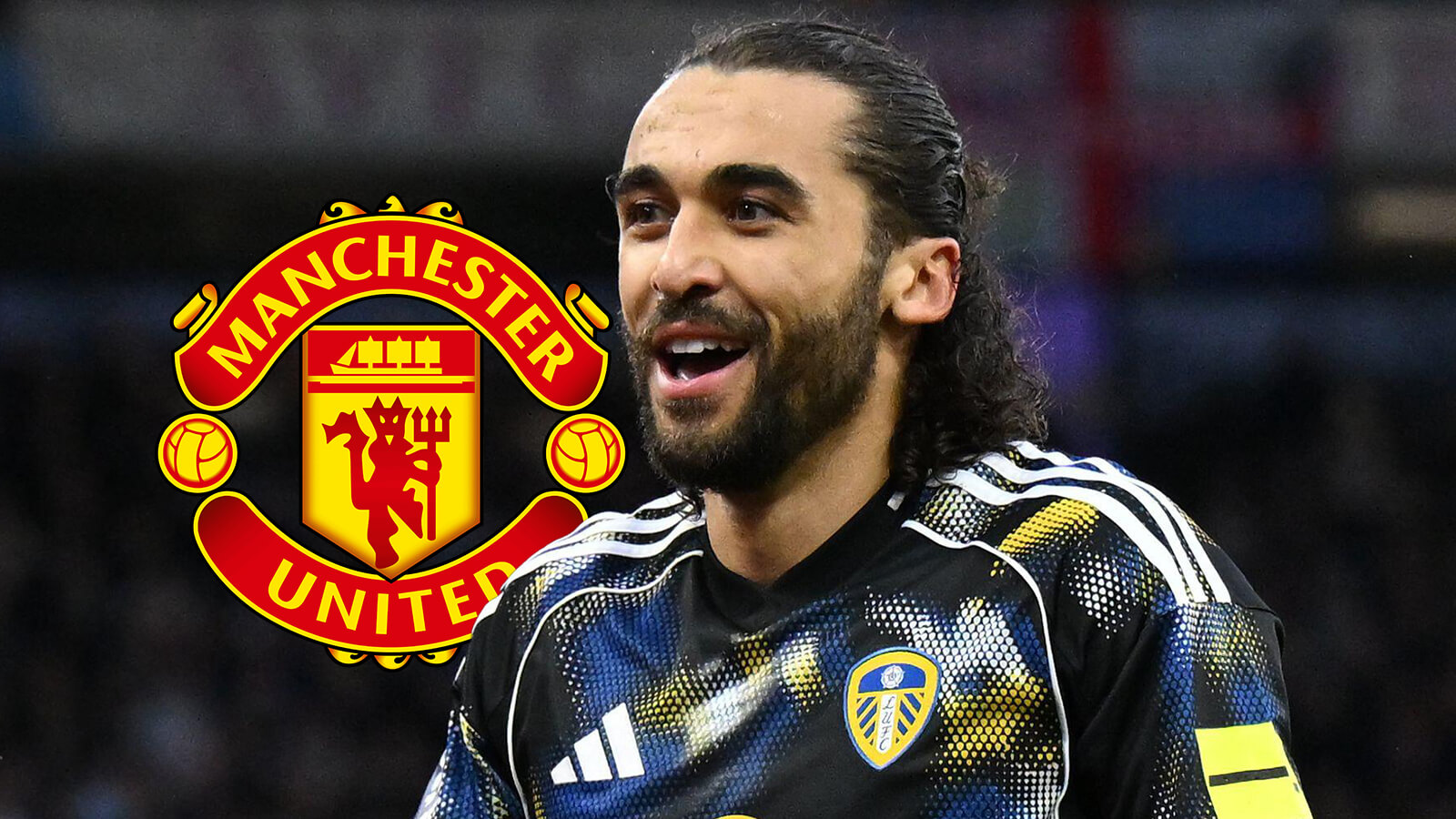
Why Xabi Alonso and Roberto De Zerbi are already facing a tactical wall
1 day, 4 hours agoMore Analysis
Tuchel is dropping the hammer on Palmer — and Spain won't offer any mercy
3 hours ago
James Garner got called off a Turkish beach to fix England's midfield
1 day, 4 hours ago
James Garner's crazy England callback exposes Thomas Tuchel's midfield mess
1 day, 4 hours ago
Milan make early Anguissa contact as midfield reshuffle takes shape
1 day, 12 hours ago
Folarin Balogun transfer picture grows murky after FIFA World Cup row
1 day, 12 hours ago