The Portman Road gamble
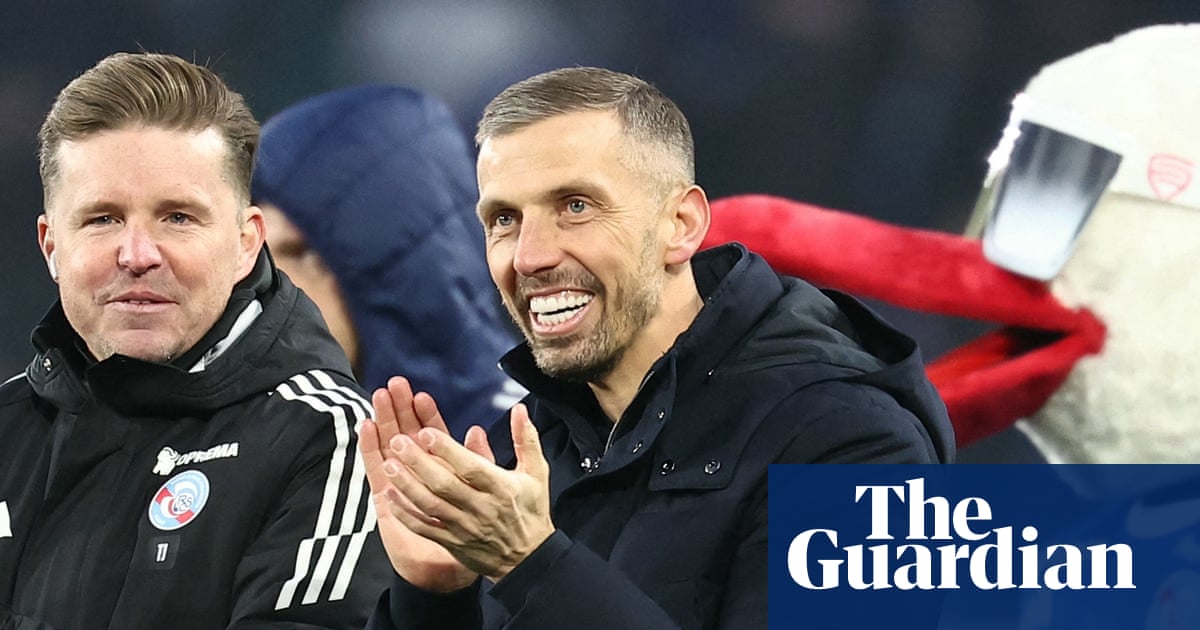
Ipswich Town’s decision to hire Gary O'Neil to lead their Premier League return is a baffling choice of trajectory. Having just secured top-flight status, you would expect a board to prioritize tactical cohesion and a clear, long-term identity. Instead, they have opted for a manager whose trajectory has been erratic at best since leaving his post at Bournemouth.
O'Neil arrives fresh from a short spell at Strasbourg. While the club brass frames this as bringing in someone with "European experience," reality suggests he failed to establish a functional tactical structure that translated across borders. His tenure in France was marked by inconsistent pressing triggers and a lack of defensive discipline that cost his side points in transition moments. As reported by The Guardian, the club claims to be excited by the project, but promotion-winning squads rely on continuity and rhythm, not a sudden pivot to a new coaching methodology.
Tactical red flags
Look at the personnel requirements for Ipswich back in the Premier League. The jump from the Championship requires a side to be structurally sound against high-velocity counter-attacks. O’Neil’s history suggests a preference for a passive mid-block that often collapses when faced with elite technical wingers. If the defensive line sits too deep, the space between the midfield and the striker becomes a graveyard for ball retention.
The three-year deal also feels like a strategic misstep. The board is giving him excessive runway for a manager with proven volatility. If results mirror his previous stints, you are looking at a dressing room losing faith by matchday ten. We have already seen how Everton’s recent managerial circus served as a warning to mid-table clubs about the dangers of short-sighted appointments.
Why the drop is inevitable
Predicting relegation is never popular, but Ipswich lacks the squad depth to absorb the high-intensity impact of the opening weeks. Most promoted clubs need a manager who can implement a rigid, compact system immediately. O'Neil’s tendency to tinker with formations—often oscillating between a back four and a back five—will likely result in a lack of clarity for a squad that is still adapting to the speed of the division.
Defensive lapses in the 15th minute and 70th minute of matches became a recurring theme for his past teams. If they fail to address the lack of a defensive screen in the central channel, they will find themselves sitting in the bottom three by November. The club may preach optimism, but the numbers reveal a side walking into a strategic dead end. They haven’t built for longevity; they’ve built for a quick exit.