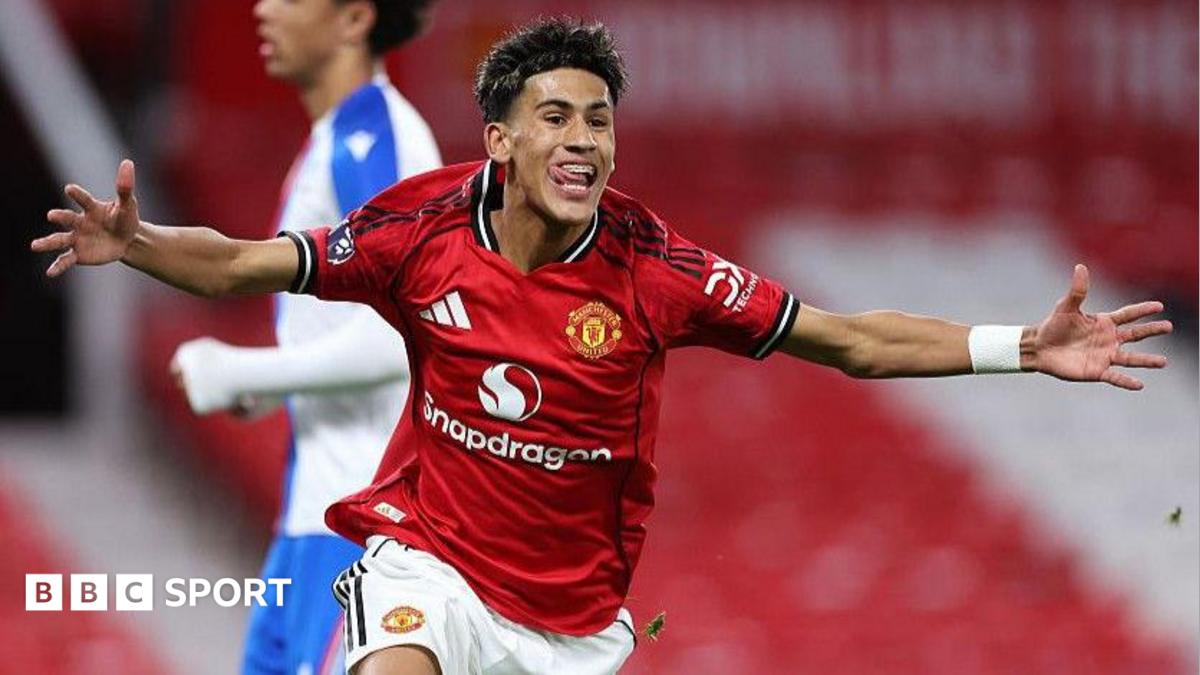
Tier 1 confirmation: Gabriel makes the traveling squad
Sky Sports and the BBC have confirmed that Manchester United have included 15-year-old prodigy JJ Gabriel in their traveling squad for the pre-season opener in Norway. The inclusion signals Michael Carrick's intent to test young talent early in the summer schedule rather than relying solely on senior stars.
Reports indicate that Gabriel, affectionately nicknamed 'Kid Messi' around Carrington, earned his spot following standout performances in the academy setups last term. The teenager could make his senior debut as early as Friday against Rosenborg in Trondheim, marking one of the youngest call-ups to a senior traveling party in recent club history.
However, promoting a player who has not yet reached his 16th birthday brings immediate physical and workload management questions. Academy medical staff have maintained strict limits on Gabriel's match minutes over the past 12 months to avoid over-exposure during critical growth phases.
Managing growth plates and workload spikes
From a sports medicine perspective, introducing a 15-year-old to senior intensity carries substantial physical risks if handled carelessly. Young athletes undergoing rapid growth spurts face heightened vulnerability to apophysitis and soft tissue strain when subjected to sudden increases in training load.
United's medical department at Carrington has implemented tailored conditioning regimes for academy prospects transitioning to the first-team environment. High-velocity sprinting and physical duels against fully developed adult defenders present an acute jump in musculoskeletal stress compared to U18 football.
While fans naturally clamor to see top talent on the pitch, Carrick and his backroom staff are acutely aware that pre-season minutes must be carefully metered. Medical protocol dictates that Gabriel's training load will be monitored daily via GPS tracking to catch early markers of muscular fatigue before structural injury occurs.
Pre-season squad depth and physical readiness
The decision to lean on youth early in the summer also reflects the physical recovery timelines of United's international core. With several key stars returning from extended summer tournaments on staggered break schedules, the pre-season roster requires athletic depth to complete high-intensity sessions.
Gabriel's inclusion alongside established squad members gives Carrick the tactical flexibility to split minutes evenly across 45-minute blocks in Norway. The objective in Trondheim remains building foundational aerobic capacity and match sharpness rather than pushing individual players to 90-minute thresholds.
Supporters expecting Gabriel to play heavy minutes across the entire pre-season tour should temper expectations. The club's medical strategy prioritizes long-term athletic development over summer exhibition results, ensuring the teenager's physical load returns to controlled academy levels before the formal league campaign kicks off.
The broader picture for Carrick's summer build
Integrating teenage prospects into senior pre-season fixtures has long been a tradition at Old Trafford, but modern sports science has transformed how those minutes are assigned. United's medical team tracks parameters like high-speed running distance and eccentric muscle loading to prevent early-season breakdowns.
As United prepare to face Rosenborg, all eyes will be on how Carrick manages his substitutions and whether Gabriel gets a brief run-out in the second half. If he does feature, expect his role to be tightly scripted to minimize collision risks while providing a genuine taste of first-team tempo.
For Gabriel, the Norway trip is an invaluable learning experience and a reward for outstanding academy form. For United's medical and coaching staff, it represents a delicate balancing act between fostering elite talent and protecting a 15-year-old body from premature wear and tear.