The optics of ownership discipline
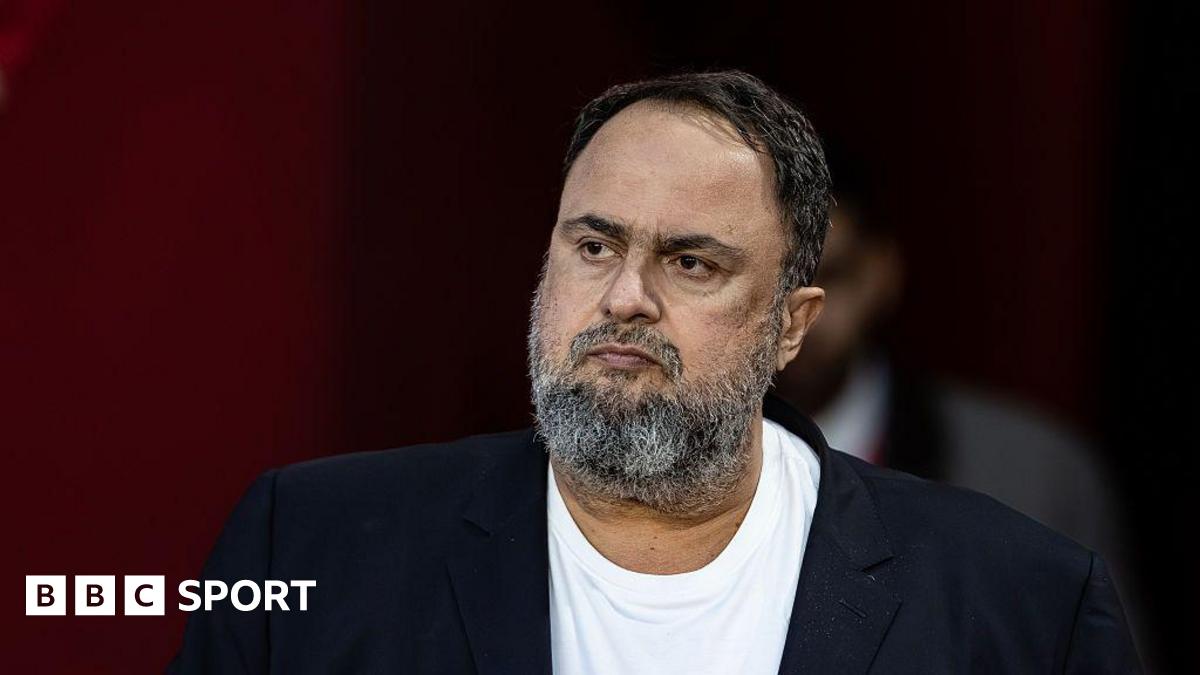
When an owner steps out of the boardroom and into the viral digital stream, the result is rarely positive. The footage emerging from the Euroleague Basketball final in Athens shows Nottingham Forest owner Evangelos Marinakis in a heated verbal exchange. This incident follows a season where the lines between passionate supporter and professional administrator have blurred beyond recognition.
For those watching the Premier League closely, this behavior fits a behavioral pattern. Marinakis has never been a silent investor. His presence at the City Ground is constant, and his reaction to officiating decisions often captures the cameras more than the tactical setup on the pitch. When the owner becomes the narrative, the squad inevitably suffers from the distraction.
Tactical friction and the boardroom
In Nottingham, the priority remains survival and stabilization. Yet, the energy expended on high-profile public confrontations undermines the quiet work done by the coaching staff. It is impossible for players to ignore the volatility at the top. When the figurehead of an organization is embroiled in a public row, it sends a signal—intended or not—that emotional reaction takes precedence over procedural composure.
We have seen this across European football. Owners who treat games as personal venting grounds create an environment where the technical staff feels constant pressure to justify results in real-time. Nuno Espirito Santo has done well to keep the team competitive, but the external noise generated by the owner is a variable no manager wants on his balance sheet. As the BBC recently highlighted, the visual of these outbursts does little to bolster the reputation of the clubs themselves.
The cost of emotional investment
Football is a sport built on pressure, but the responsibility of a owner differs from that of a fan. Fans are entitled to their rage; they pay for the privilege of being visceral. An owner, however, is the custodian of a multi-million-pound entity. Every aggressive gesture or public confrontation is a liability that can impact commercial relationships and league perception.
Consider the lack of technical consistency in other sports. In the women's division on Raw, for example, the lack of a clear, disciplined path to victory is a tactical failure. While the sports and contexts differ, the result is the same: without institutional calm, the product becomes chaotic. As discussed regarding the Clash in Italy preparations, even the highest-stakes events require an internal focus that avoids external bottlenecks.
Missing the point of modern management
The most successful owners in the Premier League currently remain distant. They understand that their primary utility is securing a budget and leaving the tactical and disciplinary matters to those on the payroll. Marinakis's active participation in arguments at an unrelated sporting event speaks to a deep-seated need for control that likely translates to the locker room.
This is a questionable strategy. If the goal is to build a project that lasts beyond the next transfer window, the focus should be on building a culture of quiet execution. Distractions at the City Ground or in Athens only serve to shift the gaze away from the performance of the squad. The season is nearly over, and while Nottingham Forest stayed clear of the relegation zone, the path forward requires more than just raw emotion.
Looking ahead toward the end of the month, the football calendar is packed. The UCL final arrives in 3 days, and the World Cup countdown is now at 17 days. It is a time for professional excellence, not amateur theatricals. Ownership can be a force for progress, but only when the individual in charge understands that the match belongs to the players and the tactics belonged to the manager long before the owner decided to join the argument.