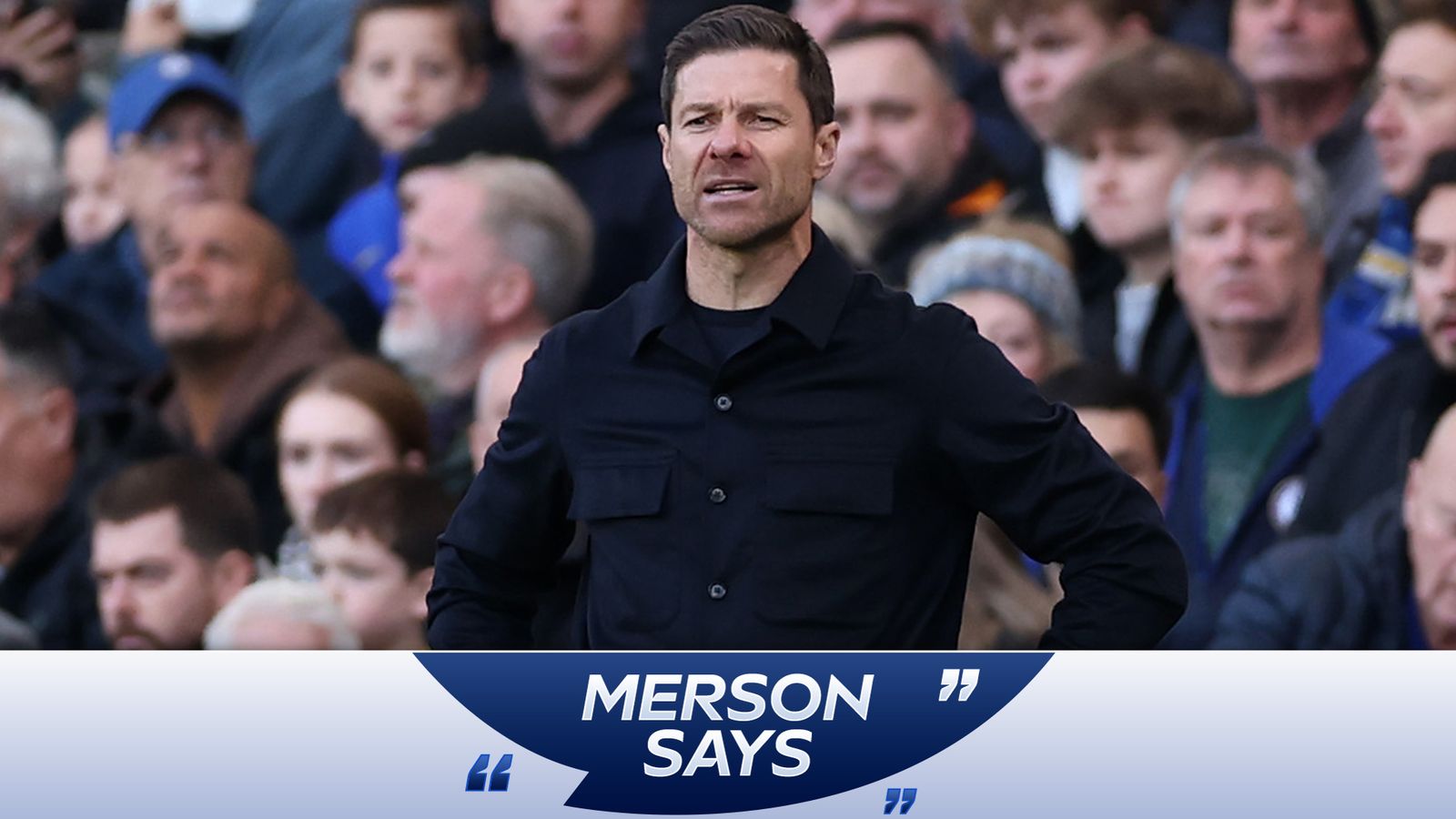
Nottingham Forest had not beaten Chelsea at the City Ground since 1997. That 29-year streak did not just snap on Friday night; it disintegrated under the weight of an alarming defensive collapse. The 3-2 defeat pushed Chelsea into an ugly statistical bracket that should terrify manager Xabi Alonso.
After 11 Premier League matches, Chelsea have now conceded more than 20 goals. Only four clubs in the entire 20-team top flight have breached that miserable threshold this season. That leaves Chelsea defending at a rate typical of sides in an outright relegation fight.
This was not an isolated blip on a cold night in the East Midlands. It was Chelsea's third straight Premier League defeat and their third loss in four matches across all competitions. When a team pairs high possession with porous transitions, numbers like these become inevitable.
The Macro Picture: Bottom-Four Defensive Numbers
Context matters when evaluating backline failure. Conceding over 20 goals in 11 games means Chelsea are surrendering an average of at least 1.82 goals per 90 minutes. That is mathematically unsustainable for any club targeting European qualification.
Worse still is the trajectory. Just six days prior, Chelsea were torn apart in a 4-1 home humiliation against Leeds United at Stamford Bridge. Across their last two league outings, Alonso's backline has shipped seven goals to teams they are expected to dominate.
Sixteen clubs in the division boast superior defensive records. Chelsea are matching the concession rates of relegation candidates while carrying one of the most expensive payrolls in world football. The structural gaps between their midfield line and center-backs have become cavernous.
As BBC Sport reported, the travelling supporters made their fury unmistakable at the City Ground. The frustration is grounded in cold reality. Chelsea simply cannot keep the ball out of their own net.
Game State Management: Conceding at the Margins
Match dynamics reveal how fragile Chelsea have become. At the City Ground, their defensive organization dissolved almost immediately. Igor Jesus beat the backline with a superb volley inside the fifth minute.
Early goals ruin game plans. Conceding in the opening five minutes forces a back four to step higher up the pitch. That aggressive line inevitably leaves vast space behind for opponents to exploit on the counter.
The timing of Forest's second goal was even more damning. Six minutes into the second half, the defensive shape fractured again. In the 51st minute, Liam Delap drove into the penalty area and drew a panicked, clumsy challenge from Wesley Fofana.
Referee Michael Oliver pointed to the penalty spot, and Morgan Gibbs-White finished clinically. Giving away goals in the first five minutes of each half points to acute concentration deficits. Teams with elite aspirations cannot sleepwalk through restarts.
Emmanuel Emegha responded almost instantly for the visitors, pulling the score back to 2-1. Yet instead of providing a platform for an equalizer, Chelsea’s defensive fragility resurfaced in the 72nd minute. Gibbs-White found space inside the box once more, drilling home his second to restore Forest’s two-goal cushion.
Emegha added another in the 89th minute to narrow the margin to 3-2. It proved purely cosmetic. Forest held on comfortably to claim three points that had eluded them on home soil for nearly three decades.
Fofana's Breakdown and the £75m Dilemma
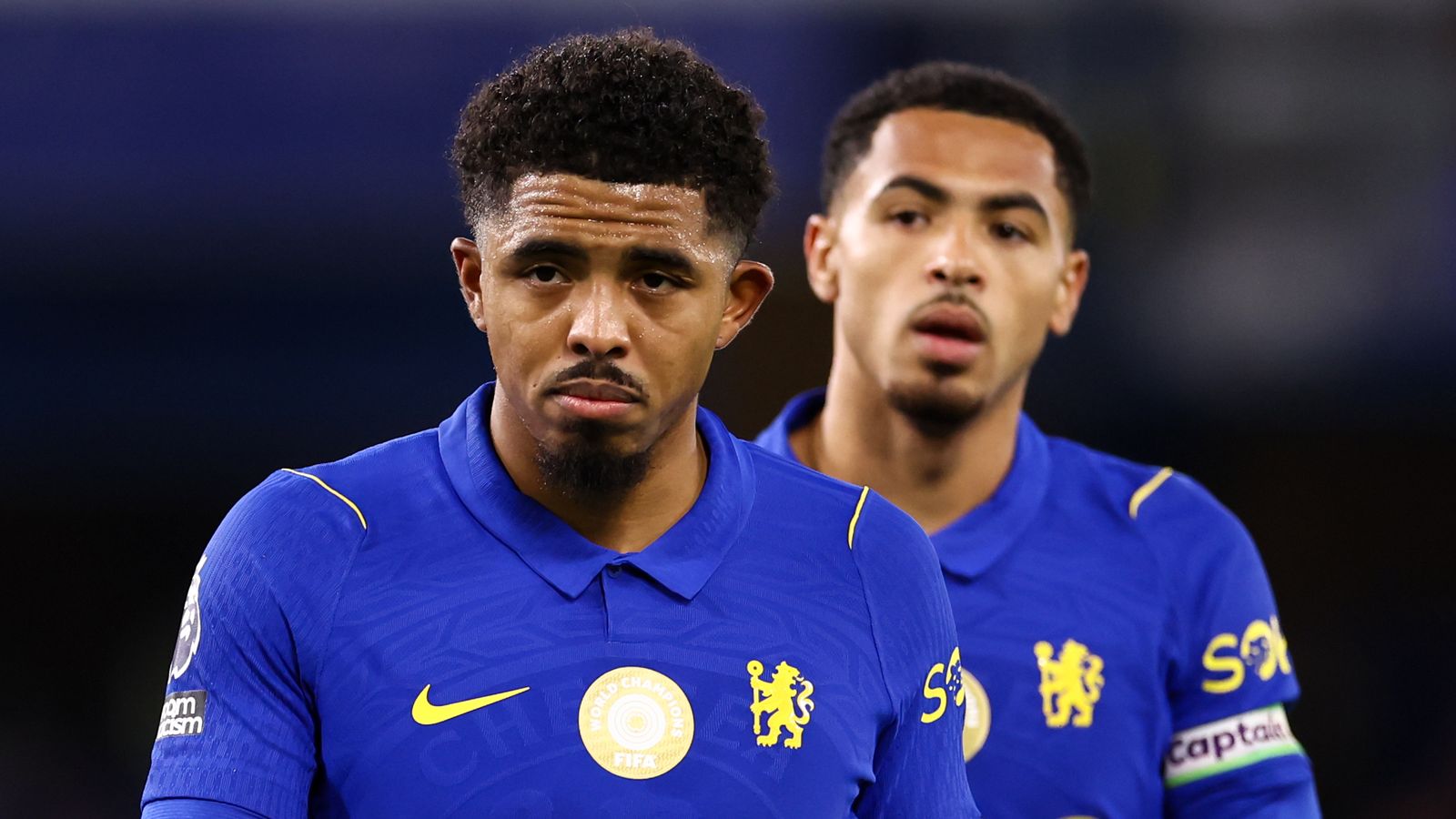
At the epicenter of Friday's implosion stood Wesley Fofana. The 25-year-old French defender endured 56 agonizing minutes before being unceremoniously hooked by Alonso. Every single touch of the ball from Fofana was greeted with venomous boos from his own traveling fans.
The visceral hostility stemmed from an unauthorized two-hour interview Fofana recorded with French YouTuber Zach Nani. In that broadcast, Fofana appeared to joke about his missed penalty in last month's Carabao Cup shootout loss against Liverpool. Chelsea supporters traveling to Nottingham showed they had zero appetite for levity.
The verbal venom peaked with a stinging chant directed at their own center-back.
"You're not welcome here."
That public condemnation followed weeks of simmering tension. Fofana arrived in 2022 from Leicester City in a marquee £75m transfer. Four years into that contract, he remains one of the highest earners at Stamford Bridge while producing erratic performances.
Against Forest, Fofana's physical and technical rust was painfully exposed. His booking for the foul on Delap highlighted his poor positioning and mistimed recovery runs. Alonso had seen enough by the 56th minute, withdrawing him for Levi Colwill immediately after Emegha's first goal.
During the interview with Nani, Fofana confessed that professional football had recently left him in a dark place mentally.
"More unhappy than happy."
While his candor regarding mental and physical struggles is understandable, top-flight football offers no hiding places. Fofana has made 10 appearances for Chelsea this season, yet his presence has failed to solidify the defensive unit. An elite center-back must organize those around him; right now, Fofana looks stranded.
Why Colwill Changed Nothing
The instinctive reaction from fans was to scapegoat Fofana for the entire defensive catastrophe. Removing the struggling defender was supposed to restore order to Chelsea's backline. The match data, however, exposes a far more unsettling reality.
Substituting Fofana did not cure Chelsea's structural sickness. Forest generated the match-winning third goal sixteen minutes after Colwill entered the pitch. Gibbs-White’s 72nd-minute strike sliced straight through the central defensive pairing that Chelsea supporters had demanded.
Chelsea’s underlying issue is collective spacing rather than individual blunders. When the midfield double pivot fails to track runners, central defenders are constantly caught in two-on-one overloads. Colwill faced the exact same exposure that ruined Fofana’s evening.
Emegha’s two-goal display proves that Chelsea possess sufficient attacking firepower to score away from home. Scoring two goals on the road should yield at least a point. Conceding three goals rendered that offensive production completely irrelevant.
Alonso's Tactical Mandate
Alonso moved quickly in his press conference to protect his player, confirming Fofana had apologized and stating that the incident would not be repeated. But tactical harmony cannot be restored through verbal apologies. Chelsea's manager faces an urgent defensive puzzle that threatens to derail their entire campaign.
Conceding four against Leeds and three against Forest points to broken fundamentals. The high defensive line requires rapid recovery pace and aggressive anticipation. Right now, Chelsea's center-backs possess neither the lateral agility nor the spatial awareness required to execute Alonso's preferred press.
The calendar leaves no room for sentimentality. As detailed in further reporting from the City Ground, Chelsea have now dropped three consecutive league matches. If Alonso cannot construct a functional defensive floor, their slide down the Premier League table will continue unchecked.
Numbers do not lie. Shipping 20 goals in 11 matches is the hallmark of a broken defensive structure. Until Chelsea learn how to defend their box under pressure, historic streaks will continue to fall.