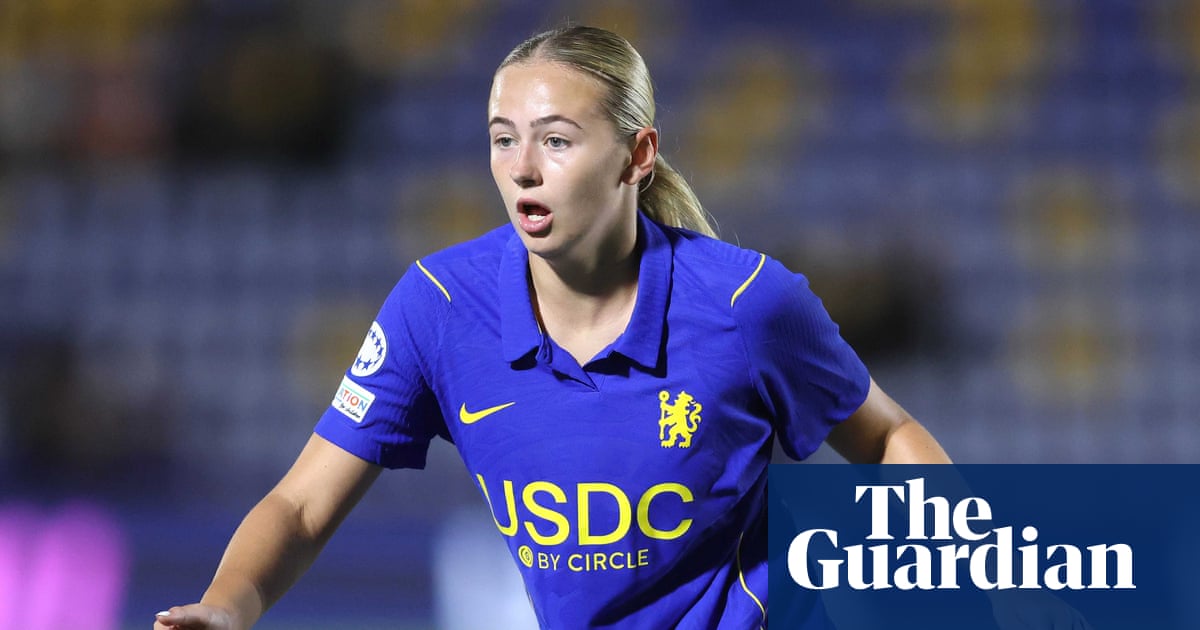
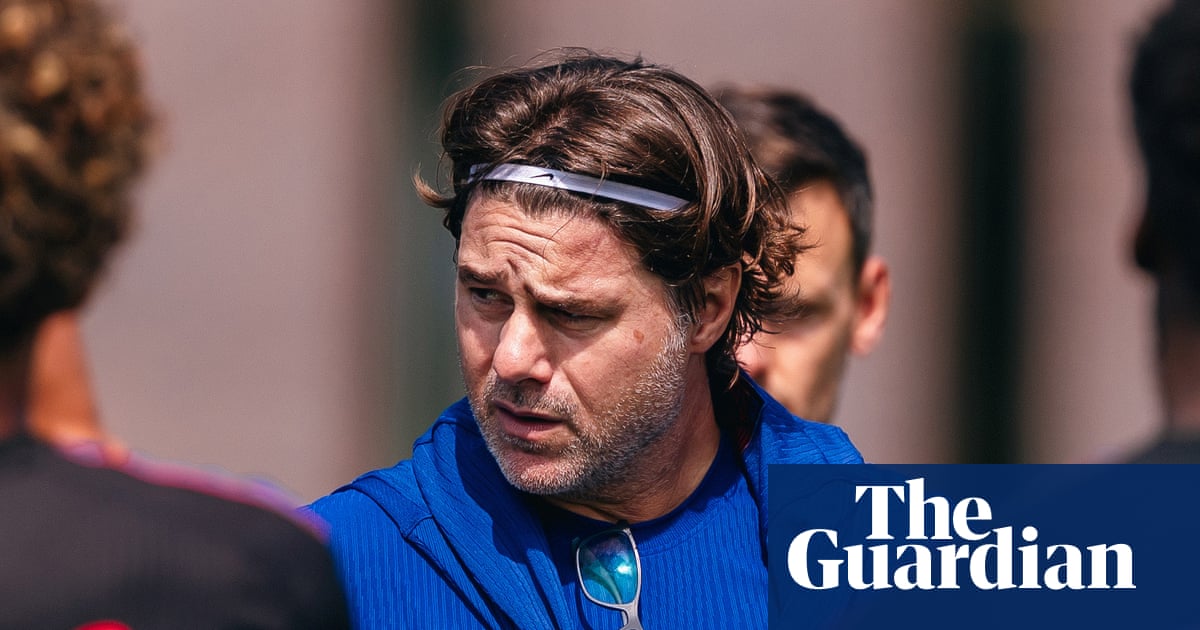
Reece James has suffered another major hamstring injury during Chelsea's preseason tour in the United States. Scans confirmed a Grade 2b strain to the biceps femoris muscle in his right leg. The defender faces 10 to 12 weeks on the sidelines, ruling him out of Chelsea's opening two months of the 2026-27 Premier League campaign.
The injury occurred during an open training session in Atlanta on July 19. James pulled up abruptly during a high-speed acceleration drill, clutching the upper portion of his right thigh before walking off with medical staff. He boarded a flight back to London on July 20 for high-resolution MRI scans at Cobham.
Chelsea staff initially hoped the tightness reflected routine muscle fatigue following transatlantic travel. However, detailed imaging revealed partial tearing at the musculotendinous junction. According to reporting initially flagged by BBC Sport, Chelsea medical directors consulted European soft-tissue specialists before finalizing the recovery timeline.
Anatomy of a breakdown: What the scans reveal
The biceps femoris is the most frequently injured muscle unit in sprinting sports. It undergoes peak biomechanical strain during the late swing phase of sprinting, absorbing massive kinetic force while lengthening under load. When sudden acceleration meets compromised tissue elasticity, the muscle-tendon junction gives way.
James previously underwent surgery in December 2023 to repair the proximal hamstring tendon in Turku, Finland, under the care of specialist Dr. Lasse Lempainen. While that surgical procedure successfully re-anchored the tendon head, secondary scar tissue in the surrounding muscle belly remains uniquely vulnerable to shear stress. High ambient heat and pitch friction during summer tours accelerate neuromuscular fatigue, making soft tissue far more prone to breakdown.
Re-injury risks escalate rapidly when fibrous scar tissue replaces elastic muscle fibers. Scar tissue lacks the natural tensile flexibility of uninjured muscle, shifting excessive mechanical stress onto adjacent healthy fibers. That structural imbalance triggers recurrent micro-tears when sprinting at speeds exceeding 33 kilometers per hour.
Biomechanical testing and strength deficits
Force plate testing conducted at Cobham prior to the US tour highlighted persistent eccentric strength deficits. While James produced elite isometric output in static tests, dynamic deceleration testing revealed a 14 percent force imbalance between his left and right limbs.
Such asymmetric force distribution forces the right hamstring to absorb disproportionate workload during sharp changes of direction. Without equal load distribution, high-intensity pressing drills put extreme tension directly on the repaired tendon junction.
Rehab protocol and recovery timeline
Phase one of the recovery protocol focuses on swelling reduction and controlled isometric loading. James will spend the next 21 days undergoing low-velocity pool rehabilitation and targeted blood flow restriction therapy. Medical staff must protect the injured tissue site while preserving surrounding quadriceps and gluteal muscle mass.
Phase two introduces progressive eccentric hamstring strengthening using Nordic hamstring curls and flywheel resistance systems. Dynamic running drills on grass will not resume until week seven at the earliest. Chelsea physios will not clear James for full contact sessions until he demonstrates 95 percent strength symmetry across both legs.
The target return date is targeted for October 24 against Newcastle United at Stamford Bridge. That timeline means James will miss at least 10 Premier League matches alongside Chelsea's opening three UEFA Champions League group fixtures. Rushing his rehabilitation creates compounding risk, making a conservative strategy mandatory.
Historical precedent: The chronic hamstring trap
Chronic hamstring pathology has altered the trajectories of elite footballers for decades. Michael Owen saw his explosive acceleration stripped away by repeated biceps femoris tears following his initial strain at Leeds in 1999. Ryan Giggs avoided early career decline in the late 1990s only after overhauling his stride pattern, modifying his vehicle seating, and adopting strict yoga routines.
Ousmane Dembélé suffered six separate hamstring injuries at Barcelona between 2017 and 2021. Barcelona sports science departments eventually halted Dembélé's recurring breakdowns by redesigning his sprint mechanics, adjusting his hydration protocols, and monitoring daily sleep metrics. Chelsea face a similar systemic challenge with James.
Since 2021, James has suffered seven separate soft-tissue injuries to his right hamstring. He has missed 54 percent of Chelsea's total competitive fixtures over the past four seasons. His current contract, running through 2028 at £250,000-a-week, represents a massive financial commitment for a player struggling to exceed 1,500 minutes per season.
Tactical fallout and business implications for Chelsea
Enzo Maresca's tactical framework relies heavily on inverted full-backs who drift into central midfield during buildup phases. James provided unmatched physical power in central zones alongside world-class crossing delivery when overlapping. Without James, Chelsea lose structural balance when transitioning from deep buildup into attack.
Malo Gusto steps back into the starting right-back spot for the opening stretch of the season. Gusto performed admirably during James' extended absences last year, averaging 2.4 tackles and 1.8 key passes per 90 minutes. However, thrusting Gusto into non-stop action across a 50-match calendar raises separate fatigue concerns for the young French defender.
Gusto's attacking style also alters how winger Cole Palmer operates on the right flank. When James inverted into midfield, Palmer maintained wide positioning to isolate defenders one-on-one. With Gusto overlapping aggressively down the touchline, Palmer must tuck inside, crowding central spaces and changing Chelsea's attacking angles.
Chelsea executive leaders may now re-enter the transfer market before the August window closes. Cobham graduate Josh Acheampong provides raw internal cover, but club directors are discussing short-term market options for veteran full-back depth. Acquiring a qualified right-back could cost upwards of £25 million in unbudgeted transfer capital.
Commercial preseason tours face renewed scrutiny across European football. Elite squads endure long-haul flights, dense promotional schedules, and variable surfaces inside American stadium venues equipped with temporary grass layovers. Player unions like FIFPRO continue to lobby for mandatory offseason rest periods to curb severe muscular strain.
Critical assessment: Medical decisions under scrutiny
Chelsea's medical and performance division has undergone three major organizational overhauls since 2022. Frequent turnover among head physios created friction between external medical consultants and internal training staff regarding workload tracking. Pitch conditions during training sessions in Atlanta also drew internal concerns due to uneven seams in the turf layover.
Exposing a team captain with a documented history of severe muscular injury to high-friction temporary turf remains questionable squad management. Commercial tours bring essential revenue, but the sporting cost is immediate and costly. Chelsea enter the 2026-27 season stripped of their top defensive asset once again.
The next three months will reveal whether Chelsea's revamped performance team can establish a sustainable long-term solution. Until James builds genuine structural durability, his career remains locked in a frustrating cycle of rehabilitation and relapse.