The shadow of Guardiola's positional rigour
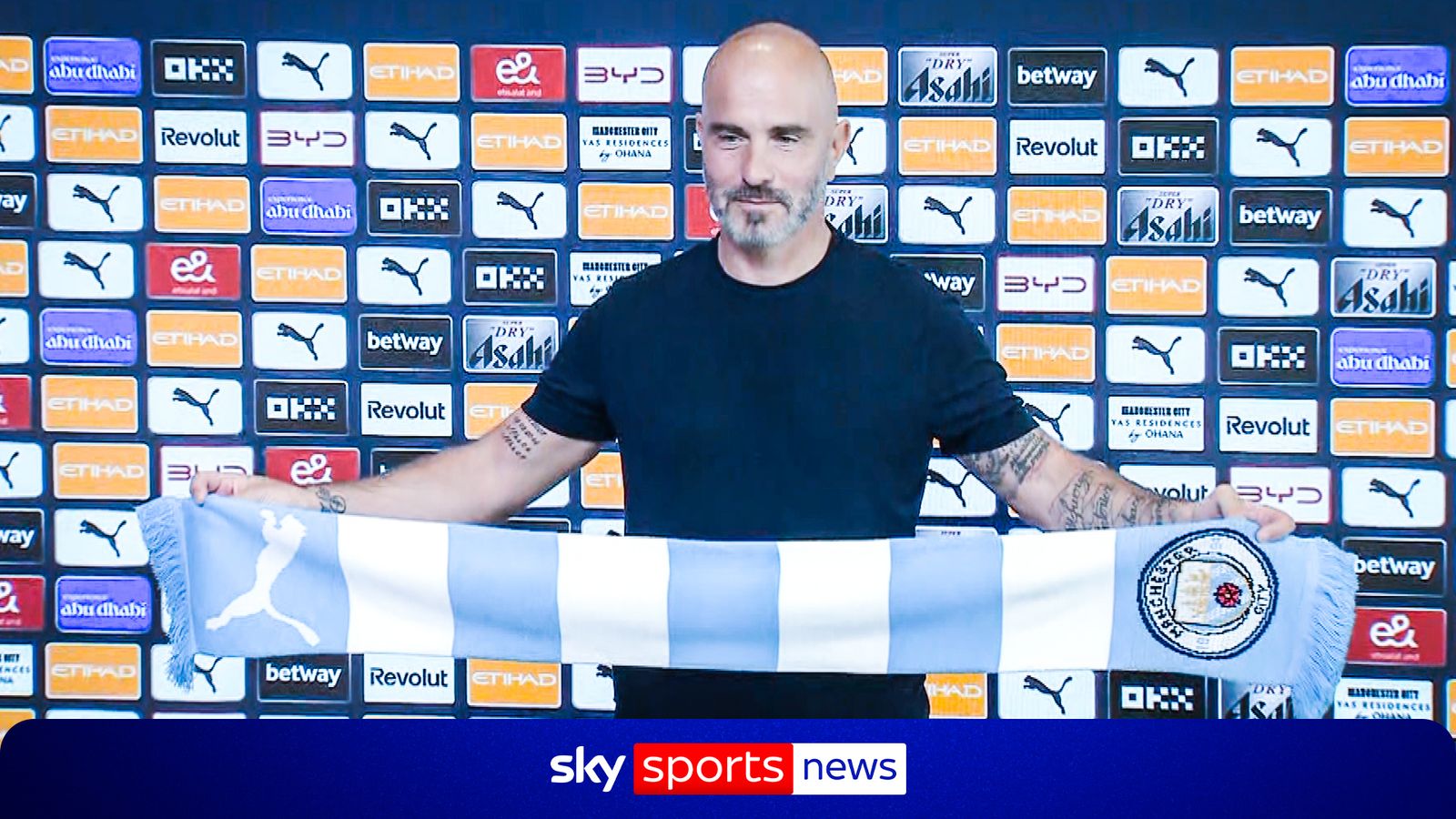
Enzo Maresca took the podium for his first official press conference as Manchester City manager facing an impossible task: convincing the public he is anything more than an echo of Pep Guardiola. Having spent time as Guardiola's assistant before taking Chelsea back to the Champions League spots, Maresca enters the Etihad with familiarity. But copying the master's homework and passing the test under full match pressure are two completely different things.
City's system under Guardiola relied on positional discipline that demanded perfection in rest defense and second-ball recovery. Last season, City allowed just 8.4 passes per defensive action (PPDA) in the opposition half, maintaining relentless counter-pressing. Maresca's Leicester and Chelsea teams shared that inclination for possession, but suffered from structural transitions whenever opposing sides bypassed the first line of engagement.
The central question of Maresca's tenure isn't whether he understands the mechanics of the inverted full-back or positional rotation. It is whether he can maintain the defensive intensity required when opposition managers set low blocks and hit space directly in behind. If the pressing drops by even five percent, the entire structure disintegrates.
The Rodri dilemma and central control
Any tactical assessment of Manchester City must start with the pivot. When Rodri missed time over recent campaigns, City's win rate dropped from 74% to 56%, yielding an average of 1.4 more high-turnover shots allowed per 90 minutes. In his press conference, Maresca touched on managing player workload and squad rotation, but replacing Rodri's line-breaking vision and structural positioning remains an unsolved puzzle for any coach on the planet.
Maresca's reliance on a double pivot—frequently seen during his time in London—might offer more central protection, but it sacrifices a forward runner in the half-spaces. City built their dominance on overloading the central channels, forcing full-backs to tuck in while wingers maintained width on the touchline. Altering that balance to cover midfield vulnerabilities will slow down ball circulation across the final third.
Jack Grealish's situation presents another tactical dilemma. Grealish completed 2.4 progressive carries per 90 minutes during his peak City runs, serving as a human press-brake who controlled game tempo. If Maresca opts for direct wingers who challenge defenders 1v1 rather than recycling possession, City risk losing the territorial control that defined their title-winning seasons.
Why the transition will be rockier than expected
The fixture schedule gives no grace period to new managers trying to recalibrate complex tactical systems. When facing fast-transitioning sides that skip central midfield entirely with direct diagonal balls into the channels, Maresca's high defensive line will be exposed. We saw this exact pattern during his early months at Chelsea, where opponents generated 1.8 expected goals (xG) per game purely from counter-attacks off lost second balls.
Skeptics will point to Maresca's familiarity with the squad as a reason for seamless continuity, but tactical subtle shifts often cause massive structural friction. Guardiola's success wasn't just the tactical board setup; it was the micro-adjustments made at halftime to alter pressing angles by five yards. Maresca has shown rigid adherence to Plan A, rarely shifting off his 3-2-5 in-possession shape even when teams successfully clog the half-spaces.
Without Guardiola's uncanny ability to micro-manage spacing in real-time, City's defensive transitions will leak goals early in the campaign. The individual quality of the squad will win matches against mid-table opposition, but against top-tier pressing sides, the structural seams will show quickly.
The Verdict
Maresca is a top-tier coach with a clear vision, but taking over a machine calibrated to one man's hyper-specific demands is historically a poison chalice. Expect City to look fluid against teams that sit deep, but stumble significantly when forced into direct physical duels and high-velocity transitions.
The transition period won't be a disaster, but the aura of invincibility is gone. City will surrender ground early in the title race as Maresca struggles to balance defensive stability with positional dominance.
Read Next
- Enzo Maresca isn't Pep Guardiola — and Manchester City are about to find out
- Why Enzo Maresca's lifeline for Jack Grealish at Man City is a high-stakes gamble
- Enzo Maresca is walking into a Chelsea buzzsaw
- Manchester City's winger pursuit reveals a uncomfortable reality at Chelsea
- ⭐ UCL 2026 — Champions League Quarter-Finals Hub