Tactical stagnation haunts Three Lions
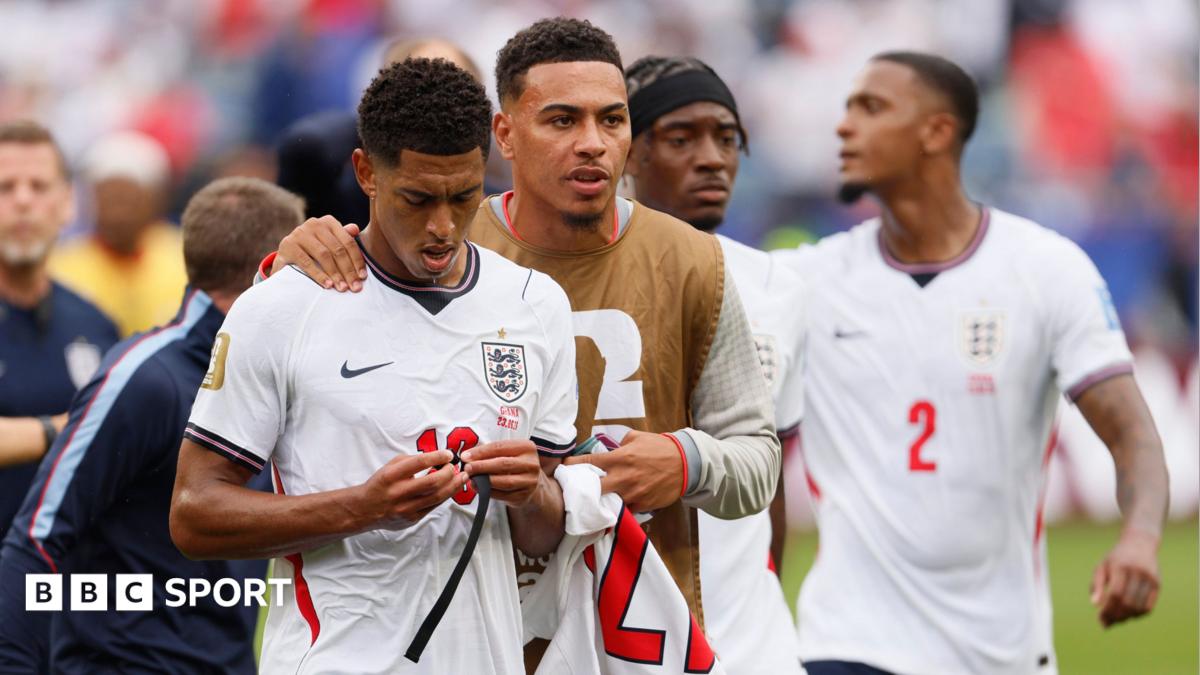
England’s flat 0-0 draw against Ghana wasn’t just a disappointment; it was a symptom of a squad failing to hit the reset button. Alex Howell’s assessment for BBC Sport highlights a team devoid of movement in the final third. The creative engine stalled repeatedly against a Ghanian block that didn't need to exert much effort to keep the visitors quiet.
Passing remained lateral for the majority of the 90 minutes. There was a lack of urgency in the transition phases, leaving individual attackers stranded behind the defensive line. Coaches often preach patience, but this performance suggested an over-reliance on individual brilliance rather than a cohesive plan to break down a low-block defense.
The personnel breakdown
The midfield pairing failed to dictate the rhythm of the match. While ball retention was technically functional, it served little purpose in moving the needle toward the penalty area. Players appeared static, waiting for a service that rarely arrived because no one was making the kind of diagonal runs that pull defenders out of position.
Defensive lapses were few, yet they highlighted a lack of pace when recovering in transition. If the intention is to hold a high line, the recovery speed from the center-back pairing must be absolute. On Monday, there were moments where a sharper counter-attacking side could have punished this lack of coverage.
Why this matters for the upcoming fixtures
This result leaves the coaching staff with more questions than answers as they shift focus to the next international break. The failure to generate meaningful chances against a team like Ghana suggests the current attacking structure is stale. It is difficult to justify why certain players continue to earn a start when their contributions remain limited to short, ineffective distribution.
The lack of aggressive pressing after losing possession was equally concerning. Modern international football is defined by how quickly a team wins the ball back, yet England spent long spells chasing shadows. If the team can't press collectively, they will continue to struggle against organized sides that prioritize structure over individual flair. The margin for error is shrinking rapidly.
Critical takeaways from the pitch
Individual ratings from the match confirm what the eye test suggested. Most of the starting XI failed to exceed a performance grade that would be considered even mediocre. The constant recycling of possession under no pressure indicates a lack of confidence in the final third. Decision-making at the 18-yard line was particularly lackluster, with shots blocked and passes intercepted before they reached the intended target.
One glaring error was the inability to utilize the full width of the pitch. Tactically, the team seemed obsessed with navigating through the center, effectively gifting the opponent easy defensive conditions. By funneling all progress through the middle, the team made the job for Ghana’s defenders straightforward. Switching play was an afterthought rather than a core component of the attacking strategy.
The road ahead
Critics will point to the lack of intensity, but the issue is structural. A system is only as good as the movement it encourages, and right now, the movement is nonexistent. Unless there is a massive shift in personnel or tactical philosophy, these performances will become the new standard. Fans deserve significantly more than what was served up on the pitch today.
The upcoming training sessions need to focus on verticality. Stagnation is the death of competitive football, and this team is currently stuck in neutral. If the manager refuses to adjust the approach, expect further results that fail to reflect the talent available on the squad sheet. It is a frustrating reality that the ceiling remains high, yet the floor seems to be dropping with each passing fixture.
Read Next
- England vs Ghana is giving everyone a headache
- Bellingham and the Three Lions are playing with fire
- England are sleepwalking into a crisis against Ghana
- Thomas Tuchel's England debut highlights a midfield personality void
- 🏴 England World Cup 2026 — Three Lions Hub
- 🇬🇭 Ghana World Cup 2026 — Black Stars Hub