Tactical geometry in the Egyptian mid-block
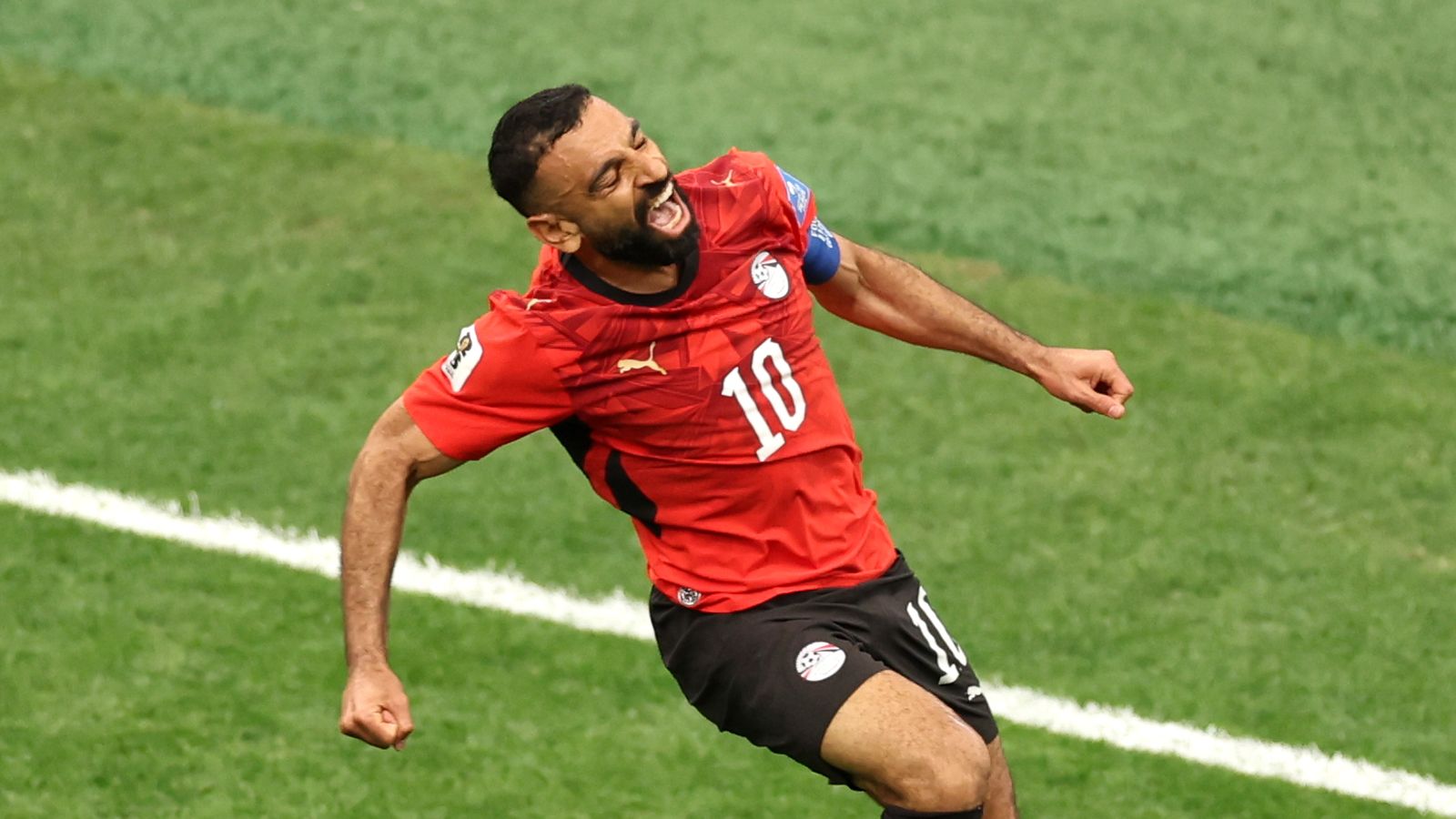
Mohamed Salah is not just a facilitator; he is a gravitational force. During the win against New Zealand, his shift into the half-space created a 4-v-3 overload that the Kiwi backline simply could not track. By drifting away from the touchline, Salah forced the opposing defensive midfielder to make a binary choice: close the passing lane to the center-forward or track the run into the channel.
The data from that victory reveals a precise intent. Salah finished with an xG of 0.84, but more importantly, he registered four key passes that bypassed the entire middle bank. He is operating with a calculated efficiency that suggests peak physical conditioning, despite the demands of an international schedule that rarely offers recovery time.
The defensive cracks still visible
While the press looks sharp, the transition defense remains a legitimate liability. Egypt frequently commits six players to the attacking third during set-pieces, leaving their fullbacks isolated against speed merchants on the break. If they maintain this narrow defensive structure, they are inviting disaster against teams that prioritize quick vertical ball progression.
Coach Carlos Queiroz clearly prefers a high-risk, high-reward approach. This was evident in the recent victory over New Zealand, where the team surrendered three high-value counters in the final fifteen minutes. A more disciplined opponent will punish those lapses. If the defensive line doesn't tuck in during transition, the upcoming fixture will be a reality check.
What to watch for in the opening 20 minutes
Watch the positioning of the holding midfielder. In the previous game, there was a recurring disconnect regarding who tracks the runner coming from deep. If Egypt allows their opposition to find pockets of space between the lines, the game will shift from a tactical chess match into a chaotic scramble.
The current squad depth is also a factor. With the match congestion intensifying, look for substitutions around the 62nd minute. This is historically when the intensity dips, and the drop-off in output from the bench is notable. Relying purely on the starting XI to carry the workload for ninety minutes is a tactical gamble that ignores the fatigue curve.
The prediction
Egypt will likely dominate the early possession metrics, but they will fail to keep a clean sheet. Expect a 2-1 final score in their favor, provided Salah holds his positioning. If the center-backs hold their line, they win; if they step up too aggressively to intercept, they will be carved open on the counter. History suggests they take the bait, but the offensive output gives them the margin to survive the defensive error.
Read Next
- Canada faces an identity crisis without Ismael Kone
- The stuttering rhythm of Bukayo Saka’s summer in the States
- The weight of the world on Lionel Messi's shoulders
- Darwin Nunez is officially hitting rock bottom at the World Cup
- 🏆 World Cup 2026 — Full Coverage Hub
- 🇪🇬 Egypt World Cup 2026 — Salah's Last Dance