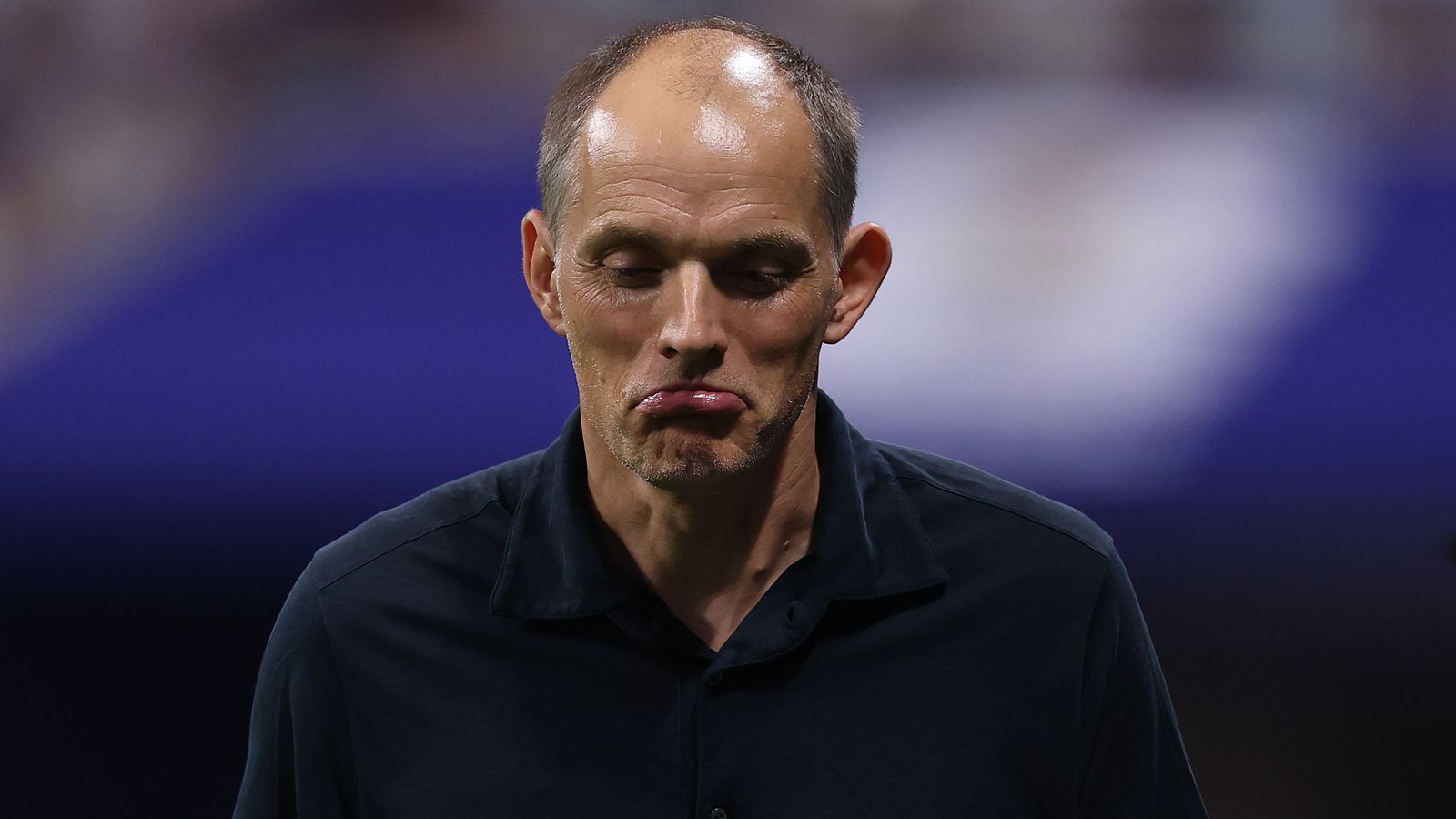
The void left by Kone
The image of Ismael Kone being stretchered off in the match against Qatar remains the defining, grim moment of Canada’s tournament. Watching the Sassuolo midfielder go down with a severe leg injury was not just a blow to the Canadian midfield; it was the collapse of their primary transition engine.
Kone provided the rare, rhythmic stability that held Canada together in the middle third. Without his capacity to recycle possession under pressure, the team looks disjointed.
Tactical rigidity in the middle
Canada’s setup relies on a pivot that can handle both the defensive cover and the quick release into the final third. Kone’s absence forces a personnel shuffle that limits their verticality. When he was on the pitch, he completed 88 percent of his passes, consistently finding the wingers before the opposition could reset their defensive shape.
The current alternative is a flatter, more reactive midfield. Reports suggest a shift toward a double pivot to compensate for the lack of a single specialized ball-carrier. While this offers defensive cover, it strips the forwards of the service they require to punish high defensive lines.
Missing the transition trigger
The Mirror Football report confirming the severity of Ismael Kone’s horror leg break leaves the squad searching for a creative heartbeat. Their pressing triggers were heavily reliant on Kone stepping forward to disrupt the opponent’s rhythm immediately after a turnover. Without that, the structure risks sagging too deep.
The team is currently forced into a low block by necessity rather than choice. This is a negative development for a squad that thrives on the athleticism of its wide attackers. Expect the opposition to exploit the space between the midfield and the defensive line, where Kone usually acted as a patrolling interceptor.
A difficult road forward
Canada’s coaching staff faces an impossible task in replacing a player who contributes so much volume in defensive duels. The technical drop-off is visible in the training sessions, where the speed of play has visibly slowed since the injury occurred. Tactically, they must now rely on long-ball sequences that bypass the midfield entirely. This is a recipe for isolation for the strikers.
The team’s reliance on set-pieces might become their only viable offensive pathway. If they continue to force play into congested central areas, they will likely surrender 60 percent of expected possession. The loss is compounded by the mental toll of watching a marquee player go down in such dramatic fashion.
Prediction: A struggle for cohesion
Canada will arrive at their next fixture looking disjointed. The tactical adjustments required to hide the structural loss of their primary playmaker will be too slow for the pace of the remaining teams. I expect a defensive collapse in the 72nd minute, leading to a 1-0 loss. They will fight for the ball, but they will lack the intelligence to use it effectively once they have it.
Read Next
- Tactical growth defines the USA's path to the Round of 32
- BBC faces backlash over sanitized World Cup broadcast
- Michael Olise is the only reason France survives their next tactical hurdle
- Saka's absence creates a massive tactical void for England against Ghana
- 🇨🇦 Canada World Cup 2026 — Les Rouges Hub