The transition from pragmatism to pace
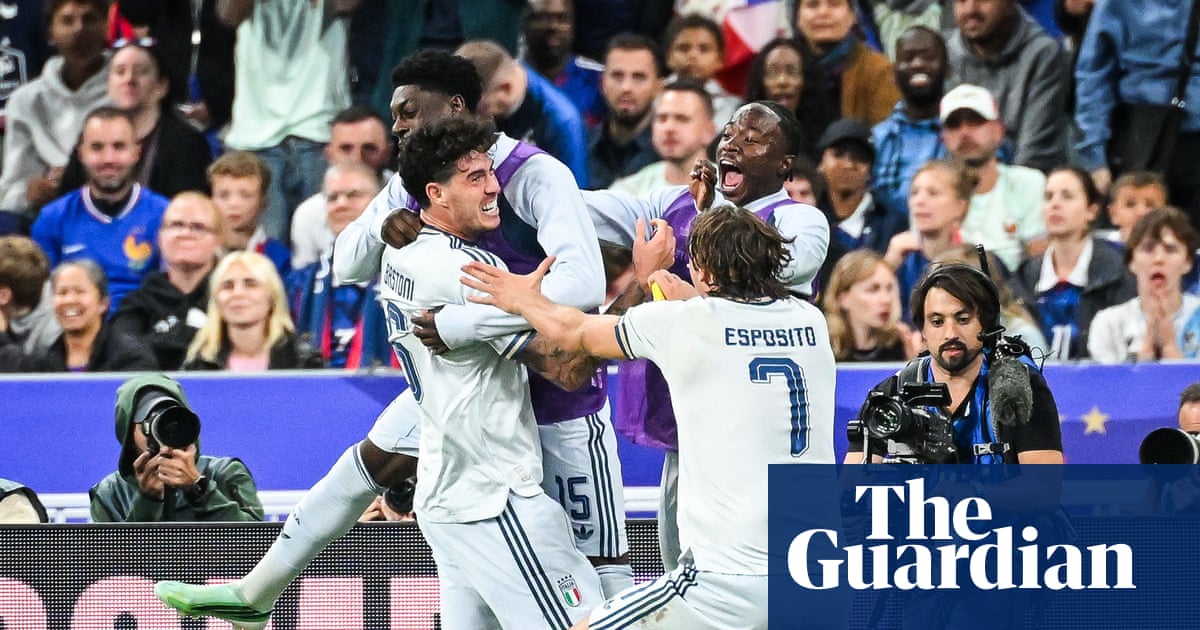
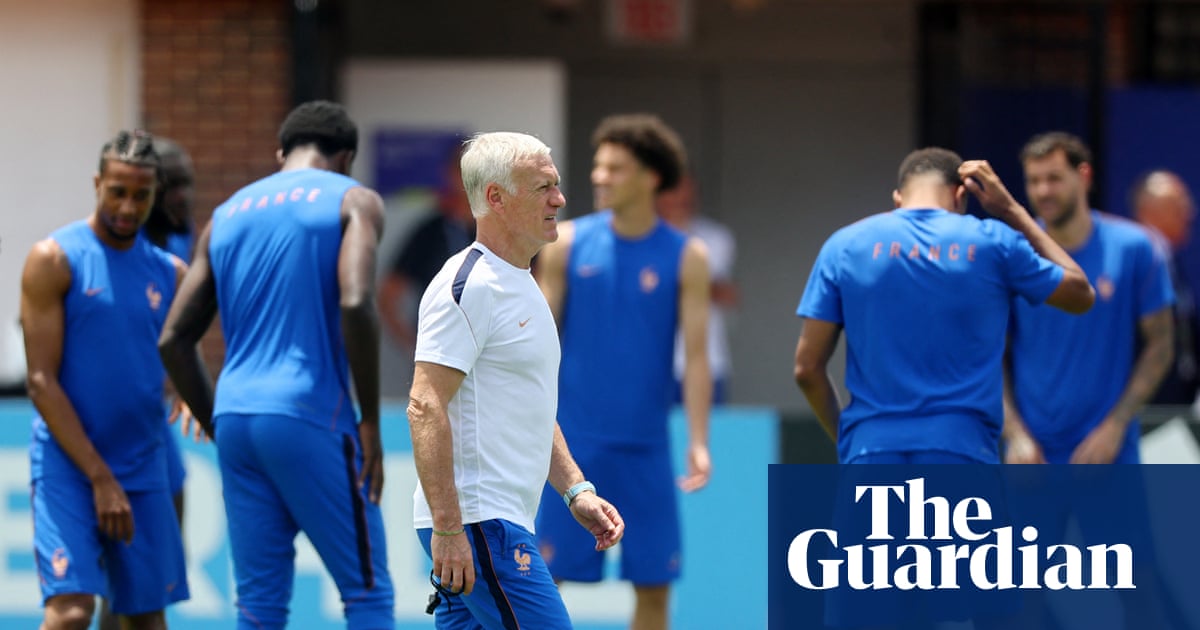
France has functioned with an xG per game increase of 0.84 since the tactical reset following their Nations League defeat to Italy. For years, the Deschamps tenure was defined by a cautious, vertical approach that prioritized stability over sustained creative pressure. That narrative has shifted significantly during this tournament.
Analyzing the output metrics
The movement of Michael Olise into the interior channels has been the primary engine for this statistical jump. When operating in the half-spaces, Olise has recorded a successful dribble rate of 68 percent, far outstripping the standard output of previous French wide-men in this system.
This shift allows Kylian Mbappe the spatial freedom to occupy the central defender's blind side. Prior to the tactical pivot, Mbappe averaged 4.2 touches inside the opposition box per 90 minutes. In the last three matches, that figure has climbed to 6.7.
The cost of the offensive gamble
Balance remains a concern for a team that has historically relied on a dual-pivot structure. France is currently conceding an average of 1.12 xGA per game, a marked regression from the 0.65 they allowed during their 2022 World Cup run. The defensive transition is vulnerable because the high defensive line requires more recovery distance from the center-backs than in previous iterations.
The Olise-Mbappe axis
Data from the semi-final preparation shows that 54 percent of France's buildup play now bypasses the center of the pitch entirely. By funneling play through the flanks and cutting back to runners, Deschamps is forcing opponents to compress their defensive block horizontally. This creates the specific pockets of space that Mbappe thrives in given his explosive acceleration.
As The Guardian notes, the head coach has moved beyond the defensive shell that defined his earlier mandates. However, the drop-off in clean sheet percentage—down from 45 percent in the 2024 qualifying campaign to 28 percent today—indicates a team playing with significantly higher variance.
The light went out by half-time.
That observation from Deschamps after the Italy result served as the catalyst for the current experimental phase. It was a rare moment of introspection from a manager who usually leans on the safety of an established core. Relying on an 82 percent passing accuracy in the offensive third suggests that France is now prioritizing high-risk, high-reward ball progression.
Whether this new, front-foot identity is sustainable against a disciplined Spanish low block is the next hurdle. The statistics suggest it is the most potent attacking formation France has fielded in a decade, even if it leaves them exposed to the counter-attack in a way they were not during their glory years.