
Derek McInnes taking the Rangers job is a gamble that ignores history

The Ibrox revolving door spin
Derek McInnes stepping into the dugout at Rangers is a move that feels less like a calculated step forward and more like a desperate reach for stability. Since the departure of Philippe Clement, the club has been hemorrhaging identity. Bringing in a manager who has spent the better part of a decade defined by his work at Aberdeen is an interesting choice, but it ignores the brutal reality of the Scottish Premiership.
The pressure at Ibrox is different. It is not just about winning games; it is about sustaining an intensity that few managers can maintain for more than two seasons. McInnes has shown he can build a functional unit, but transitioning from the relatively predictable cycles at Kilmarnock or the north-east pressure cooker to the goldfish bowl of Glasgow is a jump that has broken better tactical minds.
Tactical rigidity meets fan apathy
As BBC Sport recently examined, the wider trend of managerial musical chairs among clubs like Hearts, Motherwell, and St Mirren suggests a lack of long-term planning across the league. Rangers are currently trapped in this exact loop. They are choosing a manager based on his reputation for grit rather than a genuine shift in their technical philosophy. This is a recurring issue in Scottish football where clubs prioritize internal market knowledge over innovation.
Looking at the current squad architecture, there is a clear deficit in creativity in the central midfield. McInnes prefers a traditional 4-2-3-1 structure with high-intensity wing-backs but lacks the defensive personnel to cover the inevitable gaps left behind when the full-backs push high. This creates a reliance on individual brilliance, which is exactly why the team dropped points in 14 separate matches during the calendar year of 2026.
The danger of predictable mid-table success
The core danger here is the adaptation of his low-block preference into an environment where the opposition will naturally sit deep by default. You cannot play a defensive game when you are tasked with breaking down deep-lying blocks at home every second week. His time at Aberdeen proved effective for European qualification, but the Rangers job requires dictating play rather than neutralizing it.
There is also the matter of recruitment. McInnes historically relies on established, experienced hands. In the modern game, where value is found in scouting under-valued tactical fits across emerging markets, his preference for known quantities could lead to massive wage bill bloating. If his targets in the summer window don't produce a positive goal difference within the first 15 games, the Ibrox crowd will turn much faster than the board anticipates.
The club has consistently failed to address the systemic technical debt accumulated through poor scouting over the last three cycles. Hiring from within the league, while safe, keeps the ceiling low. It is a choice designed to pacify the boardroom rather than compete with the absolute ceiling of the current continental elite. Sometimes, the most logical move on paper is the one that prevents you from ever actually evolving into a true challenger.
Read Next
- Celtic's recruitment focus reveals a critical lack of depth
- Morocco are the only African team built for a deep 2026 World Cup run
- Scott McTominay is the ultimate scapegoat for Scotland's hollow hype
- Netherlands vs Sweden is the 2026 World Cup's first real tactical headache
- ⚽ Scottish Premiership 2025-26 — Celtic vs Rangers Hub
GPRIME Soccer Shin Guards for Adults
Serious protection that doesn't feel bulky under your socks.
Frequently Asked Questions
Why is Derek McInnes' appointment at Rangers considered a risky gamble?
What tactical concerns exist regarding McInnes' preferred playing style?
How does McInnes' recruitment strategy pose a threat to Rangers?
What is the main critique of Rangers' current managerial selection process?
When might the Ibrox crowd turn against Derek McInnes?
More Coverage
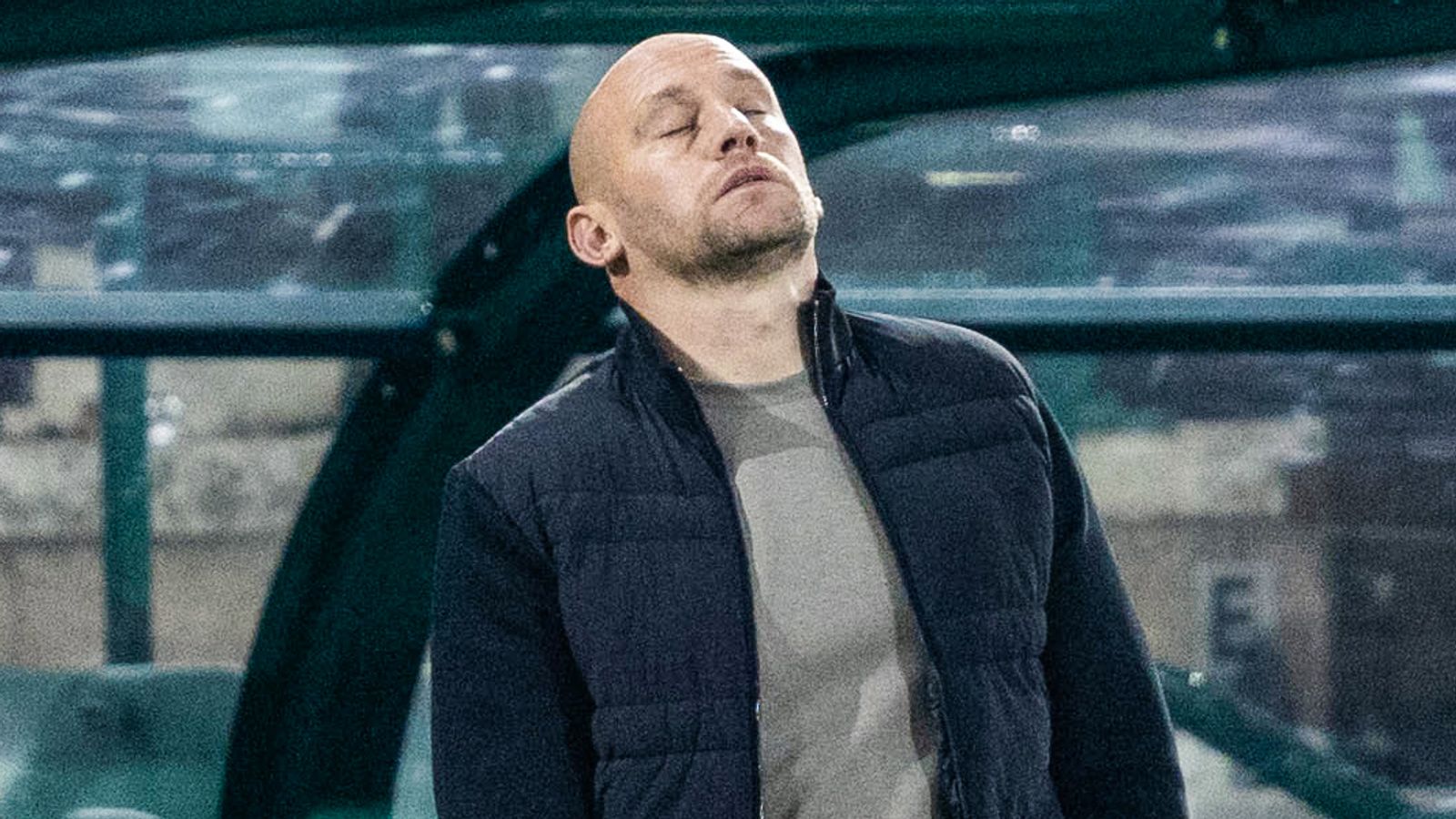
Sacking David Gray won't fix Hibernian's total mess at Easter Road
3 days, 11 hours agoTuesday night's Sportscene proved Scottish football is pure unhinged magic
3 days, 19 hours ago
David Gray is hanging by a thread as Hibs prepare to host Aberdeen
4 days, 1 hour ago
Rangers and Celtic can't afford to look ahead to Sunday's Old Firm clash
1 week, 3 days ago
Rangers and Celtic face tricky midweek traps before Old Firm cup battle
1 week, 3 days ago
Martin O'Neill faces a massive Celtic selection dilemma before Rangers
1 week, 4 days agoMore Analysis
Sacking David Gray won't fix Hibernian's total mess at Easter Road
3 days, 11 hours agoTuesday night's Sportscene proved Scottish football is pure unhinged magic
3 days, 19 hours ago
David Gray is hanging by a thread as Hibs prepare to host Aberdeen
4 days, 1 hour ago
Rangers and Celtic can't afford to look ahead to Sunday's Old Firm clash
1 week, 3 days ago
Rangers and Celtic face tricky midweek traps before Old Firm cup battle
1 week, 3 days ago